Mulch is one of the highest-leverage interventions in any garden, but the choice of mulch matters more than most beginner guides admit. Some mulches improve soil dramatically; some sit on the surface as decoration and do nothing else; one or two are actively counterproductive for serious gardening.
After trying nearly every common option across multiple seasons, here is the honest comparison we have arrived at. Each mulch has a role. Some have more roles than others.
The criteria that matter
A useful mulch comparison evaluates four things. How well does it suppress weeds? How well does it retain soil moisture? Does it improve the underlying soil as it breaks down? And how long does it last before needing replenishment? Cost and appearance matter too, but they are secondary to the soil-building dimensions.
Wood chips: the long-term champion
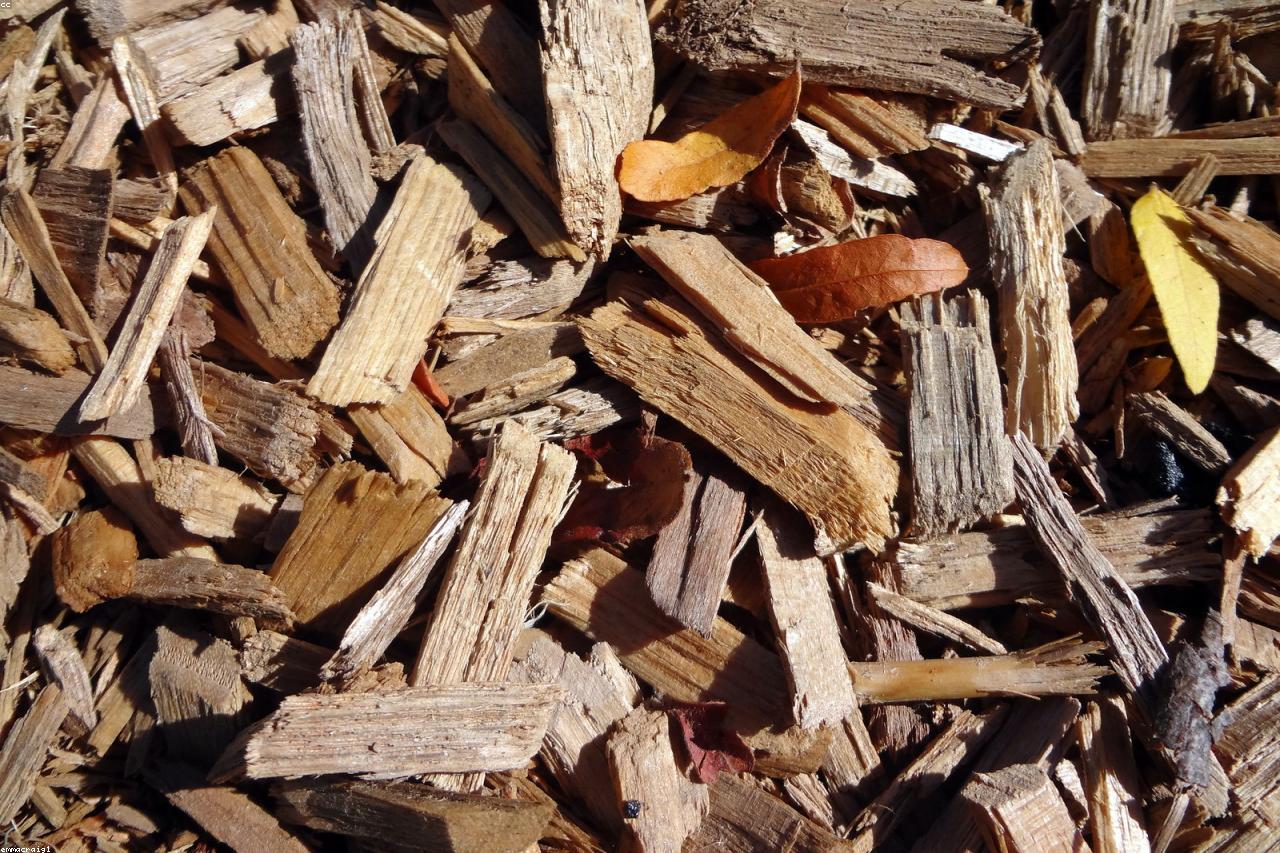
Wood chips from an arborist (often called “ramial chipped wood” or simply “arborist chips”) are the highest-leverage mulch for ornamental beds, paths, and around shrubs and fruit trees. They are usually free from local tree-care companies.
Wood chips suppress weeds excellently, retain moisture well, and slowly add organic matter as they break down. The breakdown is slow (two to three years for a typical layer), which means they are also the longest-lasting mulch on this list. Total annual maintenance is minimal.
Best for: ornamental beds, shrub plantings, fruit trees, garden paths, perennial borders. Less ideal for: annual vegetable beds (the slow breakdown ties up nitrogen when worked into soil).
Straw: the vegetable garden classic
Straw (not hay) is the standard mulch for vegetable beds. It is light, easy to handle, and breaks down within a single growing season into clean compost-ready material. A bale costs about $5-$10 and covers a 4-by-8 raised bed.
Straw suppresses weeds well and retains moisture excellently. The breakdown is fast, which is a benefit for annual beds (the mulch becomes soil amendment within a year) and a limitation (you need to reapply every season).
Best for: vegetable beds, strawberries, pumpkins, melons. Less ideal for: ornamental beds (looks more rustic than tidy), paths (compacts quickly under foot).
Shredded leaves: free and excellent
Shredded autumn leaves are perhaps the most underrated garden mulch. They are usually free (collected from your own yard or neighbors’), they break down into excellent leaf mold within a year, and they suppress weeds well when applied at three inches deep.
The “shredded” part matters. Whole leaves mat together when wet, forming an impenetrable layer that prevents air and water from reaching the soil. Run leaves through a mulching mower (or just mow over them on a lawn) before applying to beds. Shredded leaves let air and water through while still suppressing weeds.
Best for: perennial beds, natural areas, vegetable beds in autumn. Less ideal for: paths (compacts), formal ornamental beds (looks less tidy than wood chips).
Grass clippings: useful in moderation
Fresh lawn clippings are high in nitrogen and break down quickly. They make a usable mulch for vegetable beds in thin layers (one inch maximum, ideally let dry for a few days first). Thicker layers mat together and become anaerobic.
Avoid clippings from lawns that have been treated with herbicides. Some lawn weed-killers (clopyralid, picloram) persist for months and damage vegetables in beds where the mulch is applied. This is the single biggest caveat with grass clipping mulch.
Best for: vegetable beds (thin layer, dried first). Less ideal for: ornamental beds (looks scruffy), thick layers anywhere.
Pine needles: niche but useful
Pine straw (pine needles, fallen and gathered) is excellent for acid-loving plants like blueberries, rhododendrons, azaleas, and camellias. The slow breakdown adds modest acidity to the soil, which these plants prefer.
For general garden use, pine straw is fine but offers no particular advantage over straw or shredded leaves. Its main niche is the acid-loving beds where other mulches might gradually shift pH in the wrong direction.
Best for: blueberry beds, rhododendron borders, acid-loving shrub plantings. Less ideal for: vegetable beds, alkaline-loving plants.
Dyed wood mulch: avoid
Dyed wood mulches (red, black, brown) are the products often sold in plastic bags at big-box stores. They are commonly made from chipped construction lumber, which can contain pressure-treated wood, painted wood, or other contamination.
The dyes themselves are usually safe (typically iron oxide), but the source material is suspect. Beyond the contamination concern, the breakdown is slow and the appearance ages badly (faded patches by mid-season). The cost per cubic yard is also significantly higher than free wood chips from an arborist.
We do not recommend dyed wood mulch for any application. Better alternatives exist for every situation it might suit.
Rubber mulch: not a gardening product
Rubber mulch from recycled tires is sometimes sold as low-maintenance landscaping material. It is also non-biodegradable, can leach zinc and other heavy metals into soil over time, and gets hot enough in summer sun to stress shallow-rooted plants below.
Rubber mulch has legitimate uses (playground surfacing, some commercial landscapes where weed suppression is the only goal), but it has no place in a garden where you intend to grow anything. Genuine plants benefit from genuine organic mulches.
A simple decision tree
For most home gardens, the mulch choice is straightforward.
- Vegetable beds: straw in summer, shredded leaves in autumn
- Perennial and ornamental beds: wood chips from an arborist, or shredded leaves
- Around fruit trees and shrubs: wood chips, applied as a 3-foot ring around the trunk
- Acid-loving plants (blueberries, rhododendrons): pine straw or pine bark
- Paths: wood chips, refreshed every 2-3 years
- Slope erosion control: wood chips or straw mat (not loose straw)
Mulch is one of the highest-leverage garden choices, but the specific mulch matters more than the act of mulching. Use organic mulches that break down and feed the soil. Avoid synthetic and dyed products that sit on the surface without contributing to long-term soil health. The best mulches are often the cheapest ones.
Related reading from the journal
Other entries worth your time: Reading Your Soil Without a Lab Test, Restoring Compacted Soil Without Heavy Machinery, and The Right Time of Year to Amend Your Garden Soil.
Further reading
Trusted references we consulted while researching this piece. All external.