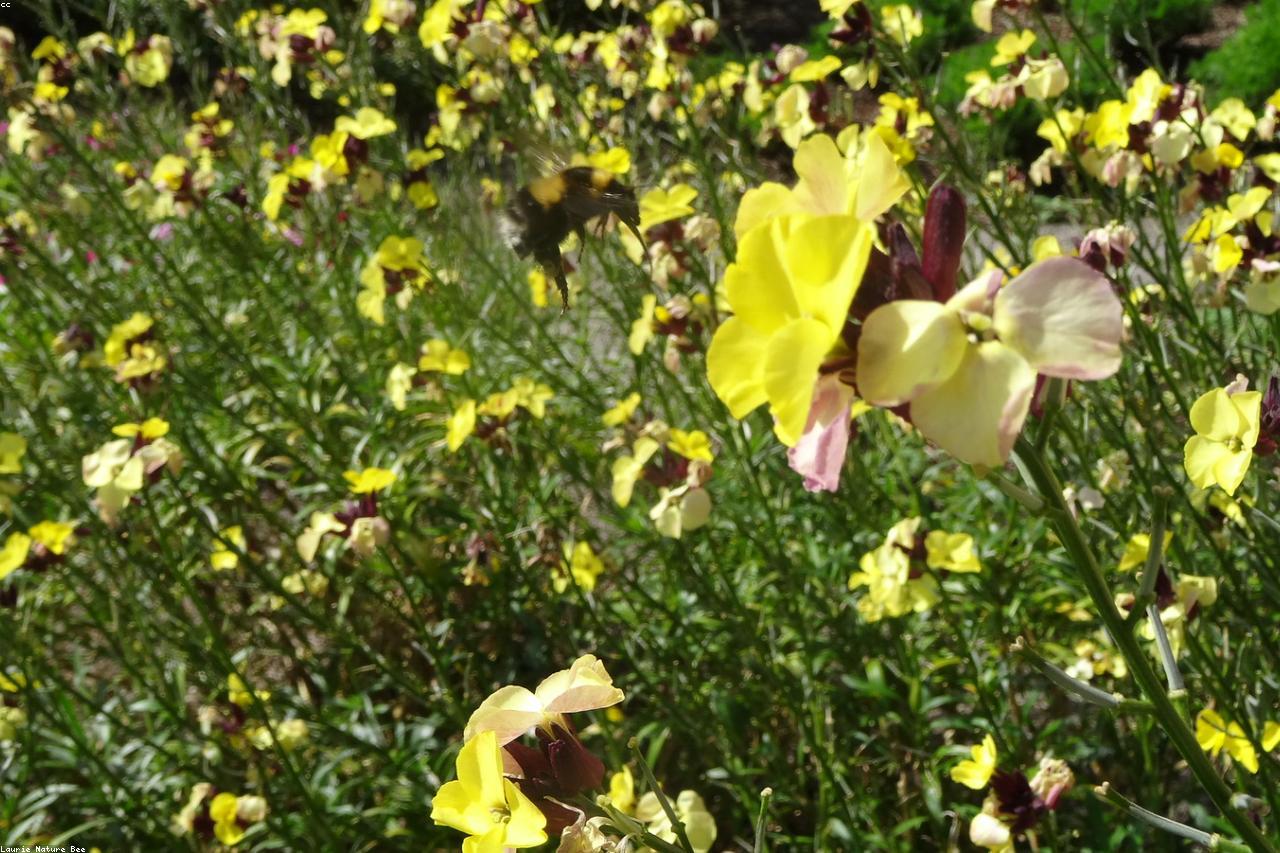
A vegetable garden without flowering plants is missing something important. Many vegetable crops depend on pollinators for fruit set; some are partially dependent and produce smaller harvests without bee visitation; others are completely dependent and produce nothing if pollinators are scarce.
A vegetable garden designed with pollinators in mind produces more, has fewer pest problems (pollinator-friendly designs typically also support predator insects), and contributes to the broader ecosystem rather than just exploiting it. The design changes are small and the benefits are real.
Which vegetables depend on pollinators
Vegetables fall into three categories regarding pollinator dependence.
- Completely pollinator-dependent (no pollinator = no harvest): squash family (zucchini, cucumber, melon, pumpkin), strawberries, blueberries, apples, pears, plums
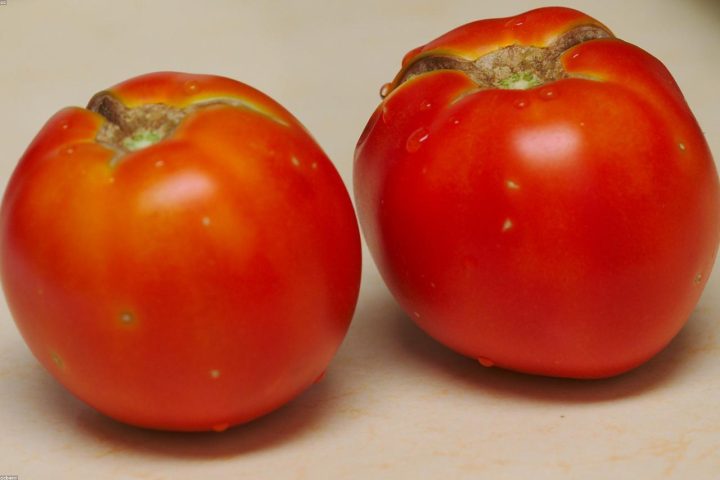
- Partially pollinator-dependent (better with, but produces some without): tomatoes, peppers, eggplant, beans (mostly self-pollinating but benefit from buzz pollination)
- Self-pollinating or wind-pollinated (independent of pollinators): lettuce, kale, broccoli (leaves and flower heads, not seeds), root crops, peas
Flowering plants that earn their space in a vegetable garden
The right flowering plants in a vegetable garden support pollinators throughout the season without taking too much space from food production.
- Borage: exceptional pollinator plant, edible flowers, deep taproot brings up minerals; tolerates partial shade
- Dill (allowed to flower): umbrella-shaped flower clusters attract dozens of beneficial insect species
- Calendula: long bloom season, mild pest deterrent, edible petals
- Alyssum: low-growing carpet of small flowers, supports hover flies that prey on aphids
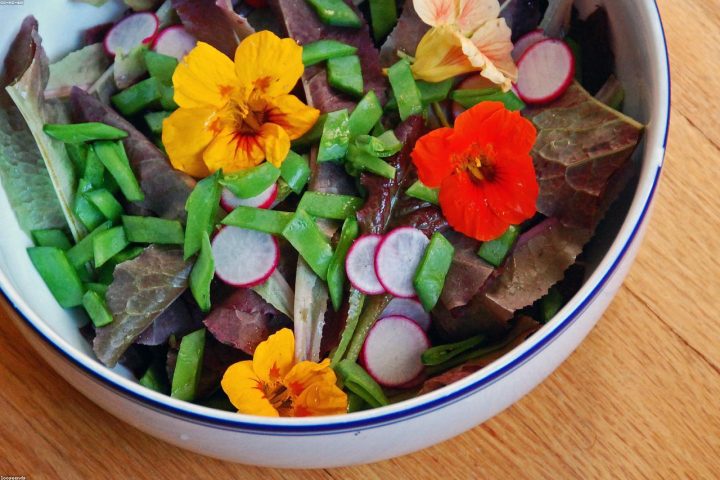
- Nasturtium: trap crop for aphids, edible leaves and flowers, climbing and bush varieties
- Cosmos: attracts predator insects, beautiful, easy to grow
- Sweet alyssum, calendula, and cilantro letting flower: understory pollinators throughout the bed
- Bee balm (perennial border plant): hummingbird and bee magnet; just outside the vegetable bed proper
Design patterns that integrate flowers and vegetables
Several practical patterns combine flowers and vegetables effectively.
Ends of rows. Plant flowers at the ends of every vegetable row. This is the lowest-effort approach but still provides meaningful pollinator support. Marigolds, alyssum, or basil at row ends.
Border bands. Run a 12-inch strip of mixed flowering companions along the front and back of each bed. Continuous pollinator presence with minimal disruption to vegetable planting.
Interplanted scatter. Tuck flowers throughout the bed (every 3-4 feet between vegetables). Most labor-intensive but most effective for pest dynamics. Allows pollinators to find vegetable flowers easily through the diverse plantings.
Companion island. Dedicate one corner of the vegetable garden (perhaps 16 square feet) entirely to pollinator support. Plant a mix of bee balm, calendula, borage, sage, lavender. This concentrated pollinator zone supports the entire vegetable garden through proximity.
A seasonal bloom calendar for the vegetable garden
A well-designed pollinator-friendly vegetable garden has continuous flowering from early spring through autumn.
- Spring (April-May): spring-flowering herbs (chives, lavender, sage), early flowering perennials in nearby beds
- Early summer (June): borage, calendula, dill in flower, early flowering vegetables (peas, beans)
- Midsummer (July-August): tomato and pepper flowers, squash flowers, basil flowers (if allowed), nasturtiums, cosmos
- Late summer (August-September): late summer flowering herbs (basil, mint), cosmos, calendula, late tomato flowers
- Autumn (September-October): late flowering plants, allowing herbs to flower for autumn pollinator support
Pest reduction benefits
Pollinator-friendly designs incidentally support predator insects that reduce pest pressure. The same flowering plants that attract bees also attract:
Hover flies (syrphid flies). Their larvae are voracious aphid predators. A single hover fly larva consumes 200-300 aphids before pupating. Hover flies feed on nectar from flat-faced flowers (alyssum, dill, calendula).
Lacewings. Their larvae attack aphids, mealybugs, leafhoppers, and small caterpillars. Adult lacewings feed on nectar; they congregate around flowering plants in vegetable beds.
Parasitic wasps (Braconidae, Ichneumonidae). They lay eggs in caterpillar pests; the larvae consume the caterpillar from inside. Adults feed on nectar from small flowering plants (dill, parsley, fennel, alyssum).
Ladybugs. Both adults and larvae eat aphids in large quantities. Adults feed on nectar when aphids are scarce; flowering plants sustain their populations.
A vegetable garden with a strong pollinator-flower component typically has noticeably reduced aphid problems within one season of the design change.
A planted layout example
For a typical 4×8 raised bed:
Center of bed: vegetable plants in standard spacing (tomatoes, peppers, beans, squash, etc.).
Border around perimeter (6-inch strip on all four sides): alternating alyssum and calendula.
Two corners: 1-2 borage plants each (they grow large).
Allowed to flower (do not pinch back): basil at one end (let it bloom in late summer for pollinators), dill at the other end (always let it flower).
This design dedicates roughly 15% of bed space to flowering companions and supports the pollination needs of all vegetables in the bed plus draws predator insects that suppress pest populations.
A vegetable garden with thoughtful pollinator-friendly design produces more food, has fewer pest problems, and supports the insects that depend on flowering plants. The design changes are small (border strips of alyssum, calendula at row ends, allowed-flowering herbs), and the cumulative benefits compound across seasons. Start with one or two changes; the differences in pollinator activity become visible within weeks.
Three flowers that pull triple duty
If garden space is limited, focus on the flowers that do the most across multiple functions. Three plants in our beds earn their square footage many times over.
Borage is the standout. It supports honey bees, native bees, butterflies, and predator wasps. Its deep taproot mines minerals that benefit nearby plants. The flowers are edible (mild cucumber flavor, beautiful in salads). It self-sows reliably, so one season of growing it produces volunteers for years. One borage plant per ten square feet of vegetable bed is enough.
Calendula produces continuous bloom from May through hard frost, supports hover flies whose larvae eat aphids, has medicinal value (calendula oil for skin), and the bright petals make food look beautiful. We grow at least five plants per garden bed and let two go to seed for next year.
Dill becomes a magnet for parasitic wasps when allowed to flower. The wasps target tomato hornworms and cabbage moth caterpillars. Two flowering dill plants in a vegetable garden can measurably reduce these pest populations by midsummer. The seed harvested at season’s end goes into pickles and bread, completing the value loop.
Related reading from the journal
You might also appreciate Building a Raised Bed That Will Last Twenty Years, Seasonal Planting Calendar for Cool-Climate Gardens, and Succession Planting Without a Spreadsheet from the journal.
Further reading
Trusted references we consulted while researching this piece. All external.