Your county Cooperative Extension office is the most underused resource in American gardening. It is publicly funded, staffed by people with land-grant university credentials, and most of what they do costs nothing or close to it. Yet the average home gardener never picks up the phone, and instead pays $40 for a mail-order soil kit that returns half the data.
Here is how to actually use the office in your county, in the order that saves you the most time.
Start with a soil test, not a phone call
Every state Extension system runs a soil lab or partners with one. In North Carolina, the NCDA&CS lab in Raleigh processes samples for free from April 1 through November 26, and charges $4 per sample during the peak-season window from late November through the end of March. Your state’s fee schedule will differ, but the pattern is similar: cheap or free most of the year, small charge in winter when farmers flood the queue.
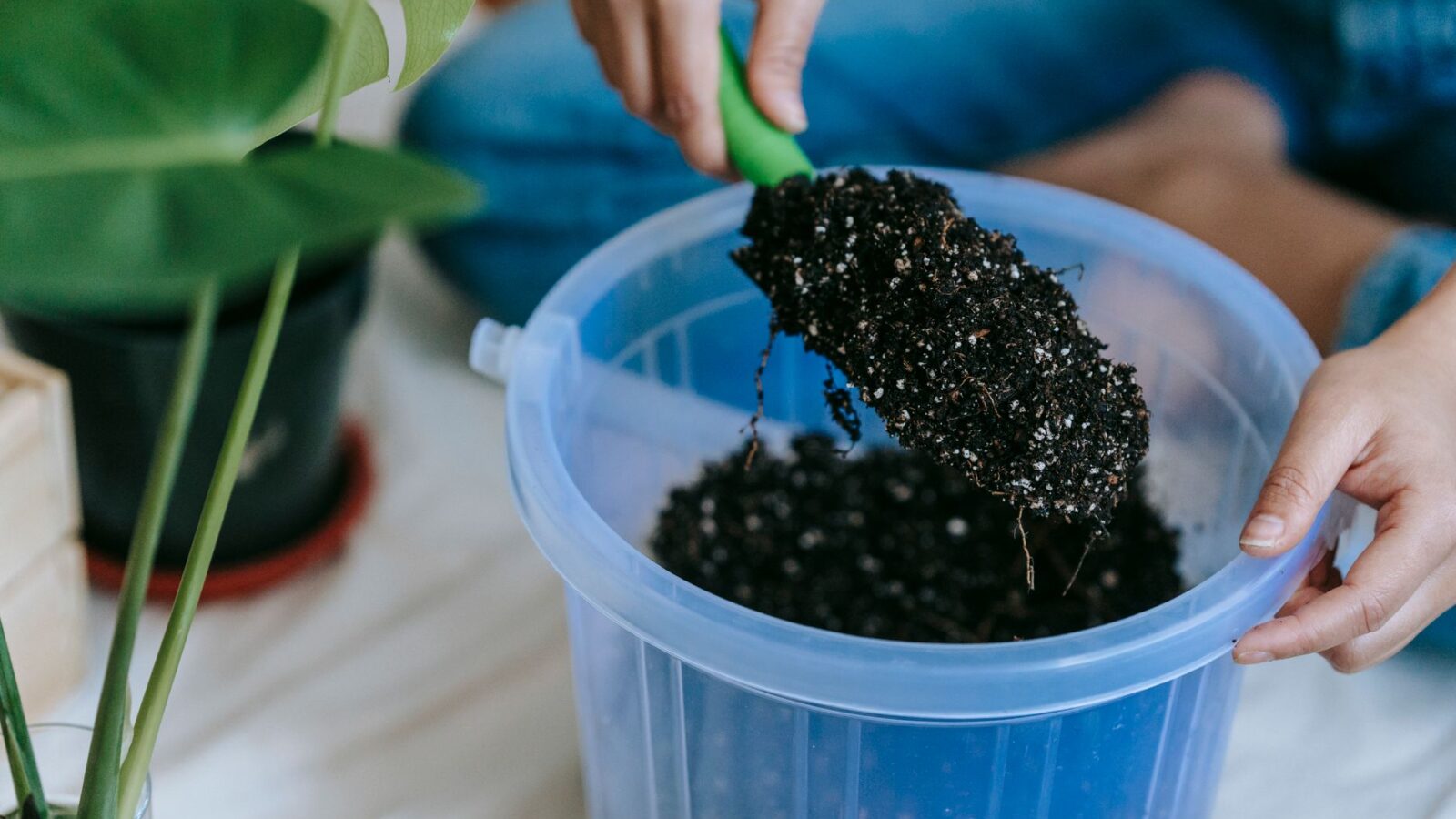
Walk into your county Extension office and ask for a soil sample box and the submission form. The box holds about 1 pint of dry, crumbled soil. Pull 10 to 15 subsamples from the top 6 inches across the bed you care about, mix them in a clean plastic bucket, and fill the box. Label it with a garden code you will remember, like “front-veg-bed-A.” Turnaround runs 10 days in summer and can stretch to 6 weeks in February.
When the report comes back, do not just read the pH line. The three numbers that actually change your season are:
- Soil pH. Under 6.0 in a vegetable bed and you are losing phosphorus and calcium uptake regardless of what you add.
- Phosphorus (P-I) and Potassium (K-I) indices. Anything under 25 is deficient. Anything over 100 means stop adding compost that contains manure.
- CEC (cation exchange capacity). Under 5 means sandy, leaches fast, fertilize little and often. Over 15 means clay, feed heavier and less frequently.
Bring the printout back to the office. The county agent will translate the lime recommendation into pounds per 100 square feet for your specific bed size. That conversation takes 5 minutes and saves the $60 you would spend guessing at pelletized lime.
Use the Master Gardener helpline for diagnosis, not opinion
Master Gardener Volunteers are trained by the Extension in a 40-plus hour course and recertify annually. Their helpline is for identification and diagnosis, not for “which tomato should I grow.” Call it when:
- You have a plant problem you cannot name. Bring or email a sharp photo of the whole plant, one of the affected leaf top, and one of the leaf underside.
- You found an insect and want to know if it eats your crop or the pest that eats your crop.
- A neighbor sprayed something and you want to know if your greens are still safe to harvest.
Last July a client of mine in Madison County brought a Ziploc of curled, yellow tomato leaves to the Buncombe County helpline. Within 20 minutes the volunteer had ruled out early blight and identified 2,4-D drift from a pasture spray two properties away. That is not a diagnosis Google will give you confidently, and it changed her plan for the next two seasons.
Get the regional planting calendar, then ignore half of it
Every Extension publishes a vegetable planting guide keyed to your region. In North Carolina it is AG-756, split by mountain, piedmont, and coastal plain. The document gives outdoor planting date ranges, days to maturity, and spacing.
Use it as a truth check against the seed packet, which is written for a national average and will be off by 2 to 4 weeks in either direction depending on where you live. Ignore the parts that assume a full-sun conventional row garden if you are working raised beds under partial shade. The dates hold; the yields do not.
Ask for the publications you did not know existed
Extension publications are the quiet gold. Ask the office for their current list, or search your state’s Extension portal. In my zone 7a beds I keep four printed and tabbed on the shelf:
| Publication type | What it gives you | When to pull it out |
|---|---|---|
| State vegetable planting calendar | Region-specific transplant and direct-sow windows | Every February and August |
| Cover crop selection chart | Species, seeding rate per 1,000 sq ft, kill date | Before ordering fall seed |
| Home orchard spray guide | Product name, rate, pre-harvest interval | Bud break through August |
| Extension bulletin on soil amendments | Compost rates by CEC, lime type by pH gap | After every soil test |
Send in a plant or insect sample the right way
Most state Extension systems run a Plant Disease and Insect Clinic. In NC the fee is $20 per sample for homeowners and turnaround is about 10 business days. To make the fee worth it:
- Take the sample early. Once tissue is fully collapsed the pathogen is often gone.
- Collect the transition zone. Half-healthy, half-affected material tells the pathologist more than fully dead leaves.
- Wrap roots in slightly damp paper towel, not plastic. Wet plastic bags grow secondary molds within 24 hours and ruin the ID.
- Include a filled-in submission form with cultivar name, planting date, irrigation type, and what you have already sprayed.
What to do when the answer is wrong for your site
Extension recommendations are calibrated for the average grower in your region, and sometimes the average is not you. If a Master Gardener volunteer tells you to plant broccoli transplants on March 15 and your specific hollow still frosts on April 8, trust your microclimate. Note the discrepancy, write it in the margin of the publication, and ask the county agent (the paid staff person, not the volunteer) at your next visit whether they have data for growers at your elevation.
The paid agents track this. They keep informal notes on which coves stay cold, which farms have Phytophthora pressure, which subdivisions have historic lead contamination. That institutional memory is why the office is worth walking into once a year even when nothing is wrong.
How to find your office in under two minutes
Go to the USDA NIFA Extension directory, click your state, then your county. You will get a phone number, a physical address, and the current county agent’s name and email. Call once to confirm they are open (many offices closed a branch or shifted to appointment-only after 2020), then plan a visit for after a soil test result comes in so you have something concrete to discuss.
Frequently asked questions
Is Extension really free, or are they going to try to sell me something?
They do not sell anything. Extension is a joint program of the USDA, your state’s land-grant university, and your county government. Soil tests carry a small seasonal fee in some states, plant disease samples usually cost $15 to $25, and everything else, including the Master Gardener helpline and the publications, is funded through tax dollars you already paid.
Do I have to be a farmer to use them?
No. The home horticulture side of Extension exists specifically for backyard gardeners, small-property owners, and hobby orchardists. Commercial agriculture staff are separate. When you call, say “I have a home garden question” and you will be routed correctly.
Can they identify a plant from a phone photo?
Sometimes, and often better than an app. Send one photo of the whole plant with something for scale, one close-up of a leaf top and underside, and one of the flower or fruit if present. Include your county, sun exposure, and whether the plant was there before you bought the property. Weeds and native wildflowers are the most common IDs they handle.
Will they tell me which organic pesticide to use?
Yes, but they will identify the pest first and let you decide the control tier. Extension publications list OMRI-listed products alongside conventional options with rates and pre-harvest intervals. You are trusted to pick from the list based on your own standards, and they will not pressure you toward conventional chemistry.
What is the difference between the county agent and a Master Gardener volunteer?
The county agent is a full-time employee with a horticulture or agronomy degree, usually a masters, and is the person who answers unusual or high-stakes questions. Master Gardener volunteers are trained community members who staff the helpline, teach public workshops, and handle routine identification. Both are valuable; match the question to the person.
Further reading
Trusted references we consulted while researching this piece. All external.