A three-bin compost system in my zone 7a beds turns out roughly 3 to 4 cubic yards of finished compost a year, and most of that goes back into the beds it came from. If you need 100 cubic feet of good soil this weekend to fill four new raised beds, waiting is not a plan. It is a way to lose a growing season while your lumber greys in the rain.
Bulk soil, bought right, closes that gap. Bought wrong, it can seed your beds with bermudagrass, herbicide residue, or something that sets like concrete after the first hard rain. Here is how I decide, what I ask the yard, and how the delivery actually goes.
The math that pushes people toward bulk
One cubic yard is 27 cubic feet. A 4×8 raised bed at 12 inches deep needs about 32 cubic feet, so 1.2 yards. Four of those beds is roughly 5 yards, or about 128 cubic feet. To buy that in bagged product at 1.5 cubic feet per bag, you are hauling around 85 bags at $8 to $12 each. That is $680 to $1,020 in retail bagged soil, plus a trailer or three truck trips.
A local landscape supply near Asheville quoted me $32 to $48 per yard for screened topsoil last spring, $52 to $70 for a topsoil-compost blend, and a $75 to $95 flat delivery fee within 15 miles. Five yards delivered, blended, ran about $340 all in. Same volume, roughly half the cost, one trip.
Compost from a working three-bin system cannot match that pace. Even a hot pile flipped every 10 days takes 90 to 120 days per batch, and my finished yield is closer to 40 percent of what I loaded in. That is fine for topdressing established beds at half an inch a year. It is not fine for starting a garden from scratch.
When bulk is the right call
Bulk soil earns its keep in a few specific situations:
- You are filling more than 3 new raised beds or a new in-ground plot larger than 200 square feet.
- You need to raise a low spot or correct grade by more than 2 inches over any real area.
- Your native soil is heavy clay, contaminated fill, or sitting on top of construction debris and you are done trying to amend it.
- The season is closing on you. In my region that means anything I want producing before mid-June needs beds ready by early April.
If you only have one bed to fill, or you have 6 months and a compost habit, keep composting. Bulk soil is a tool for volume, not a replacement for the biology you build over years.
What to ask the yard before you order
Landscape supply yards vary wildly. Two yards 20 minutes apart can sell “topsoil” that behaves like completely different products. Before I place an order I ask five things, and I write the answers down.
- Where does it come from? The best answer is a named source: a specific farm’s field scrapings, dredged pond sediment from a permitted site, or a municipal leaf compost facility. “It comes from around” is a red flag.
- Has it been tested? Any yard selling more than a few hundred yards a year should have a recent soil test. Ask for pH, organic matter percentage, and soluble salts. For a topsoil-compost blend I want pH between 6.2 and 7.0, organic matter of 5 to 12 percent, and soluble salts under 4 mmhos/cm.
- Is it screened, and to what? Half-inch or three-eighths screening is standard for garden-grade product. Inch-screened material will have rocks and root chunks you will regret.
- What is in the compost portion? Yard waste compost is generally safe. Manure-based compost from unknown sources is where persistent herbicides like aminopyralid and clopyralid hide, and those can kill tomatoes and beans for two or three seasons.
- Can I see it before you load? A yard that says yes is a yard that stands behind its pile.
Inspecting what actually shows up
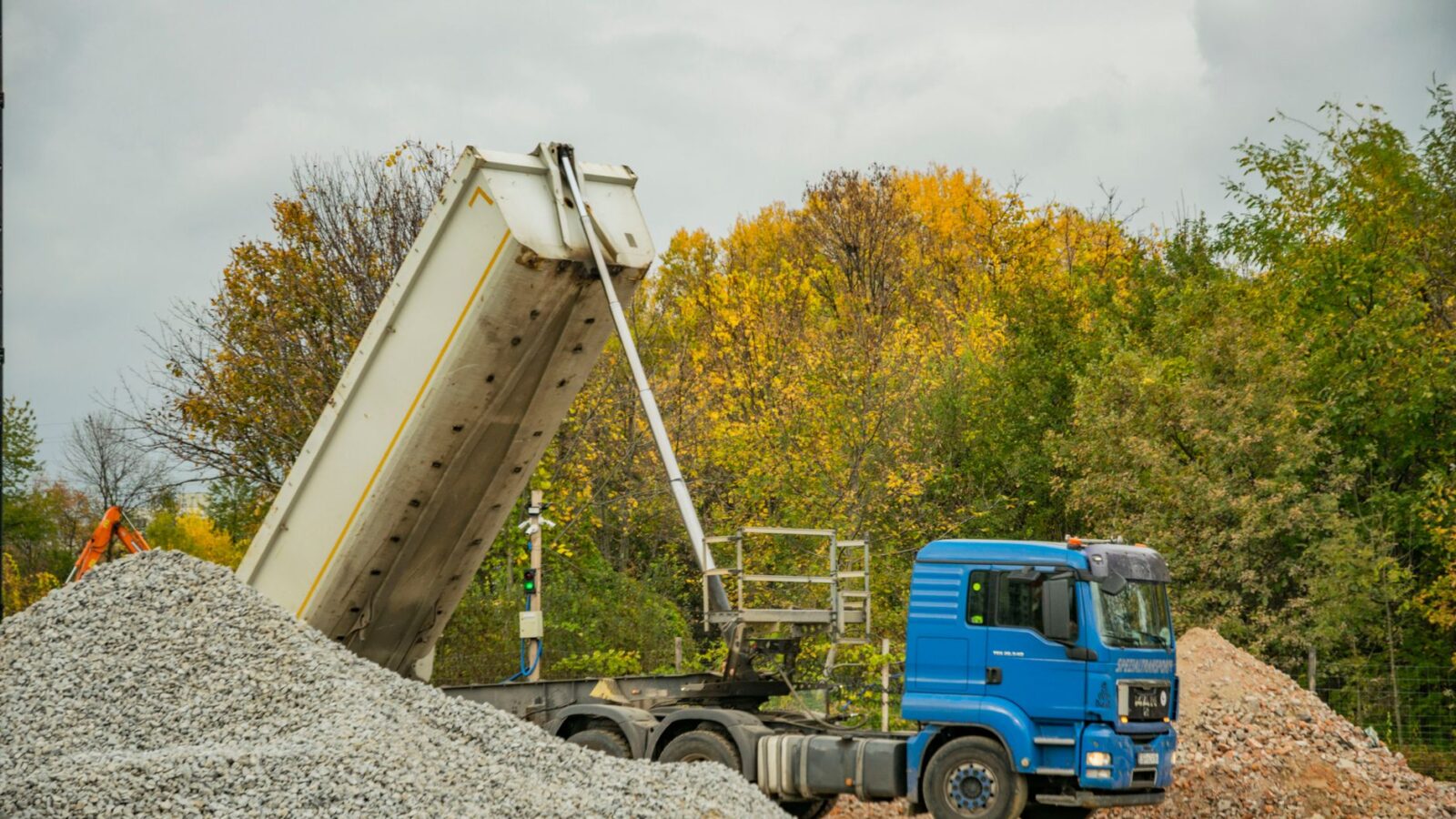
The truck pulls in, tips the pile, and leaves. Now you have maybe 20 minutes before you start moving it, and this is when problems are cheapest to catch.
Grab a handful from three different spots in the pile: near the top, halfway down the slope, and from the base where the wetter material settled. Squeeze each one. Good bulk soil holds its shape when squeezed but crumbles when you poke it. If it stays in a slick ball, you got too much clay or wet fines. If it will not hold any shape, it is mostly sand or dried-out compost with no structure.
Smell it. Finished compost blend smells like a forest floor. Sour, ammonia, or barnyard smells mean it is not done cooking and will burn seedlings for 4 to 6 weeks.
Look for the tells: white fungal threads are fine and actually good. Chunks of plastic, glass shards, or bright orange chips of ground-up construction wood are not. Green sprouts of anything in the pile within a week tell you what weed seeds you just paid for. Nutsedge and bermudagrass are the two I will refuse delivery over.
The bioassay that has saved me twice
Before I spread 5 yards anywhere, I do a 10-day bioassay on a bucket of the delivered material. It costs almost nothing and it is the only reliable way to catch herbicide contamination.
| Day | Action | What to watch for |
|---|---|---|
| 0 | Fill 3 nursery pots with the new soil, 3 with your existing garden soil. Plant 5 bean or pea seeds in each. | Label everything. |
| 3-5 | Water gently, keep at 65-75 F. | Germination should be even in both. |
| 7-10 | Compare first true leaves. | Cupped, twisted, fern-like, or strap-shaped leaves in the new-soil pots mean herbicide residue. Do not spread the pile on food beds. |
If the bioassay is clean, spread it. If it is not, most reputable yards will replace the load or refund it, especially if you kept the delivery ticket and photographed the pile within an hour of drop-off.
Blending bulk into what you already have
Dumping straight bulk soil into a bed and planting into it is the fastest way to be disappointed. Even good product is compost-heavy and light on mineral fraction, or the opposite. Blending is not optional.
For a new raised bed I aim for a rough ratio of 60 percent bulk topsoil-compost blend, 25 percent native soil from the site (if it is not toxic), and 15 percent finished homemade compost or aged leaf mold on top as a mulch that gets scratched in later. That native fraction carries mycorrhizal fungi, mineral particles, and soil life that a sterile-ish landscape blend does not have.
If you are filling in-ground, broadfork the existing soil to 12 inches first, spread 3 to 4 inches of bulk on top, and mix the top 6 inches with a digging fork. Rototilling pulverizes soil structure and I regret every time I have done it.
Water the bed deeply, wait a week, and let it settle. Bulk-filled beds drop 10 to 15 percent in the first month. Top them off before you transplant, not after.
What it does not replace
Bulk soil gets you a garden this season. It does not build the soil biology, aggregate structure, and slow-release fertility that 5 years of your own compost and cover crops will. Keep the three-bin system running. Keep the fall leaves. The bulk delivery is the loan; the compost is the savings account you keep feeding.
Frequently asked questions
How much bulk soil do I need for a 4×8 raised bed?
A 4×8 bed at 12 inches deep needs 32 cubic feet, which is 1.19 cubic yards. Order 1.25 yards to account for the 10 to 15 percent settling you will see in the first month. For a 6-inch deep bed, halve that to 0.6 yards.
Is bagged garden soil ever better than bulk?
Yes, for containers and small fills under about 15 cubic feet total. Named bagged mixes like Coast of Maine Bar Harbor Blend or FoxFarm Ocean Forest have consistent ingredients and no herbicide risk. Above 15 cubic feet the price difference gets hard to justify.
Can I plant into bulk soil the same day it is delivered?
Direct-seeding, usually yes if the bioassay and smell test pass. Transplanting tender seedlings, wait 5 to 7 days and water the bed twice. Fresh compost blends often run hot for the first week and can burn young roots at soil temperatures above 85 F.
What is the difference between topsoil, garden mix, and raised bed mix?
Topsoil is mineral soil, usually screened field scrapings, low in organic matter. Garden mix or three-way is topsoil blended with sand and compost at roughly equal parts. Raised bed mix is heavier on compost, sometimes 40 to 50 percent, and is meant to be used above grade where drainage is already good.
How do I store leftover bulk soil?
Tarp it. A pile left uncovered through a wet season loses nitrogen to leaching, gains weed seeds from every passing bird, and can turn anaerobic and sour in the middle. A cheap silver-black tarp weighted with bricks keeps a pile usable for 6 to 9 months.
Further reading
Trusted references we consulted while researching this piece. All external.