A garden runs on a rhythm. Different tasks belong to different seasons; doing them at the wrong time produces poor results. New gardeners often try to do everything at once or miss seasonal windows that affect the entire growing year.
These checklists organize garden tasks by season for a typical zone 5-7 garden. Adapt by 1-2 weeks earlier for warmer zones, 1-2 weeks later for cooler. The point is the rhythm; specific dates depend on your local climate.
Spring (March-May)
The most active garden season. Most of the year’s setup happens in spring.
- Review garden plan from notes (or sketch new plan if first year)
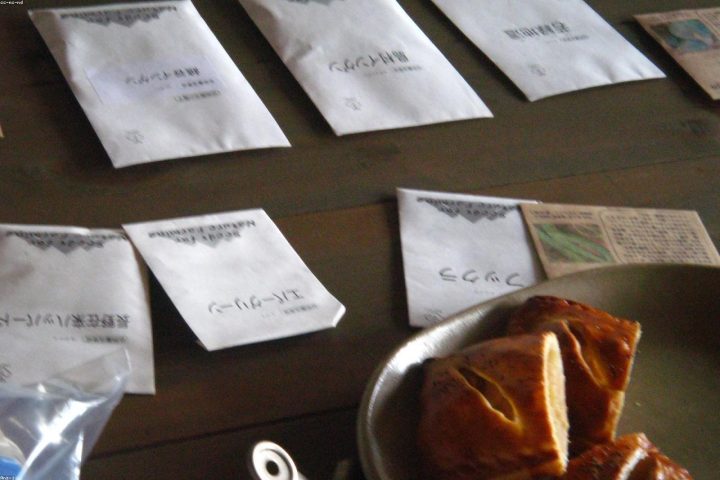
- Order or buy seeds for early-season crops
- Start tomato, pepper, and brassica seeds indoors (early March in zone 6)
- Direct seed peas, spinach, lettuce, radishes as soon as soil is workable (late March-April)
- Top-dress beds with 1-2 inches of fresh compost
- Cut back perennial stems left standing through winter
- Plant cool-season transplants after April frost dates
- Install row cover on brassica transplants to deter cabbage moths
- Transplant warm-season crops (tomatoes, peppers, basil) after last frost (mid-May in zone 6)
- Direct seed warm-season crops (beans, squash, cucumbers) in late May
- Begin daily morning garden walks
- Apply organic mulch to beds after soil warms (early-to-mid May)
- Set up drip irrigation system if using one
Summer (June-August)
The peak production season. Maintenance and harvest dominate.
- Maintain consistent watering schedule (twice weekly deep waterings)
- Continue daily morning garden walks
- Hand-pick visible pests (cabbage worms, hornworms, beetles) as they appear
- Harvest produce at peak ripeness
- Succession plant lettuce, radishes, beans every 2-3 weeks
- Apply liquid feed (compost tea, comfrey tea) every 2-3 weeks to heavy feeders
- Side-dress with compost at mid-season for tomatoes, peppers, squash
- Stake or trellis tall plants before they need it
- Pinch off basil flower stems to keep leaf production going
- Begin starting fall seedlings indoors (mid-July) for August transplanting
- Watch for early blight, powdery mildew, and other diseases; treat early
- Tour garden in late evening for slug control during damp spells
- Preserve excess harvest as it comes in (freeze, dry, ferment)
Autumn (September-November)
The transition season. Both the end of one growing year and the start of the next.
- Plant fall transplants (broccoli, cabbage, kale) by early September
- Direct seed fall greens (spinach, lettuce, arugula, mache)
- Harvest tomatoes, peppers, basil before first frost; let cool-season crops continue
- Pull spent summer plants; compost healthy material
- Plant garlic in October for next year's summer harvest
- Apply 3-4 inches of compost to garden beds as autumn top-dress
- Plant cover crops on empty beds (winter rye is foolproof)
- Drain hoses, disconnect spigots, store equipment
- Cover overwintering plants with row cover if needed for extended harvest
- Save seeds from open-pollinated tomatoes, beans, peas, lettuce
- Cure onions, garlic, and winter squash for storage
- Continue cool-season harvests through October (often into November)
- Take notes on the season for next year's planning
Winter (December-February)
The dormant season. Most garden activity pauses. Indoor planning and preparation continue.
- Take notes on the past year's successes and failures
- Review seed inventory; discard old seeds (germination drops after 2-4 years for most)
- Order seeds for next year (January-February for early-spring delivery)
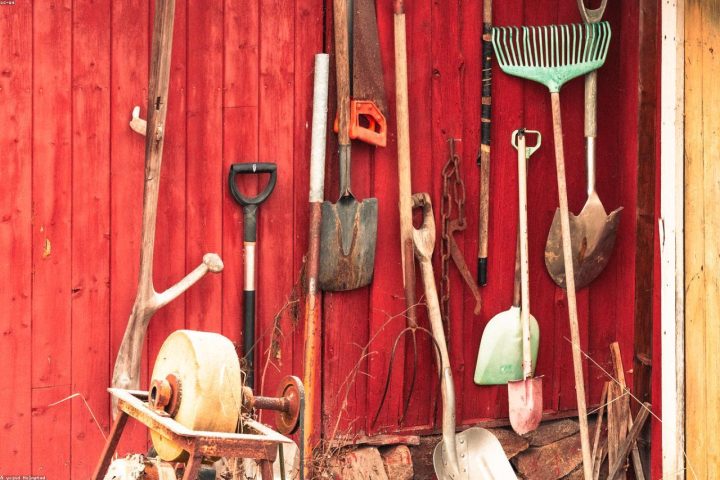
- Clean and sharpen tools; oil moving parts
- Repair or replace worn equipment
- Apply mulch protection over winter perennials if needed in cold climates
- Continue harvesting hardy overwintering crops under row cover (kale, spinach, mache)
- Plan crop rotation for next year (different families in different beds)
- Study companion planting and seed catalogs
- Begin first indoor seed starts in late February (onions and leeks first)
- Build any needed garden infrastructure during downtime (raised beds, trellises, cold frames)
- Order or pickup seed garlic for autumn planting
The annual review
One additional task belongs in early winter: an honest review of the past growing year. The notes from this review become the planning foundation for next year.
- What worked: which crops produced well, which varieties to keep, what was the right amount to plant
- What failed: which crops or varieties disappointed; was it the plant, the conditions, the timing, or the management
- What surprised: any unexpected discoveries (a vegetable that thrived, a pest that was easy to handle, a variety that was outstanding)
- What to change: specific adjustments for next year (different bed for tomatoes, more lettuce, less zucchini)
- What to learn: areas where your knowledge gap caused problems (you would benefit from knowing more about X)
A note about adaptation
These checklists are starting points for a typical zone 5-7 garden. Real gardens vary based on specific microclimate, soil conditions, household needs, and individual gardener preferences. Use the checklist as a framework; adapt the specific items to your situation.
Some gardeners follow the checklist closely. Others skip items that do not apply to them and add others that do. Both approaches work. The point is to have a seasonal framework that prevents missed opportunities and wasted effort.
A seasonal checklist organizes the gardening year into manageable rhythms. Each season has its own dominant tasks. Working through the checklist for each season is much easier than trying to remember everything constantly. After a year or two, the rhythm becomes intuitive and the checklists become reference rather than primary guide. Year one is the hardest; everything afterward gets easier.
Building the calendar for your specific zone
The general framework above adapts to any climate, but the specific dates shift dramatically by zone. Three reference dates matter most for adapting the calendar to your area.
Your last spring frost date determines when warm-season crops can be planted. Tomatoes, peppers, beans, and squash all wait for this date, plus a week for soil to warm. In zone 5: roughly May 15-30. In zone 6: April 25-May 15. In zone 7: April 5-25. In zone 8: March 15-April 5.
Your first fall frost date determines when warm-season crops finish and the gardener’s window for fall plantings of cool-season crops. In zone 5: roughly September 20-October 5. In zone 6: October 1-15. In zone 7: October 15-November 1. In zone 8: November 1-15.
The growing season length (days between last spring and first fall frost) determines what is realistic. Zone 5 has roughly 140-150 frost-free days; zone 8 has 200+. Some crops (long-season tomatoes, full-size watermelons) work in longer seasons but struggle in shorter ones; substitute compact varieties in cooler climates.
Cooperative extension services for your state publish localized planting calendars with exact recommended dates for each crop. These are far more accurate than generic guides.
Related reading from the journal
You might also appreciate Tools You Don't Actually Need (Even if Everyone Else Has Them), What to Buy New, What to Buy Used, What to Skip, and Mistakes Beginner Composters Make in Their First Six Months from the journal.
Further reading
Trusted references we consulted while researching this piece. All external.