Something is eating slugs in your garden after dark. If you have a healthy ground beetle population, it is them, and they are also working through cutworms, snail eggs, and the weed seeds you would otherwise be pulling out of your paths in July. Most Appalachian gardens I visit hold a fraction of the beetles they could support, and the reason is almost always the same. Tidy borders and bare, tilled soil give them nowhere to shelter.
The good news is that fixing this is cheap, mostly involves doing less, and pays back within one season.
What ground beetles actually do between dusk and dawn
The family Carabidae includes around 2,500 species in North America. Most are dark, fast, and active only at night, which is why they get so little credit for the work they do. In a healthy zone 7a garden you will typically find Pterostichus melanarius (a broad, glossy black beetle about 15mm long), Harpalus rufipes (the strawberry seed beetle, brown-legged and bronze), and if you are lucky, the larger Calosoma species that climb into shrubs to hunt caterpillars.
Diet varies by genus, and this matters when you decide who to encourage:
- Pterostichus and Poecilus: mostly carnivorous. One adult can take 4 to 5 slugs a week, plus cutworms, root maggot pupae, and aphids that fall to the soil.
- Calosoma sycophanta: climbs shrubs at night hunting cutworm and tussock moth caterpillars. Larvae eat their body weight in caterpillars daily.
- Harpalus and Amara: seed specialists. A single Harpalus rufipes can eat 40 to 70 weed seeds per night, favoring lambsquarters, pigweed, foxtail, and chickweed.
The larvae, which look like elongated brown segments with visible jaws, are equally predatory and spend their entire development in the top 5cm of soil. Rototill in April and you lose that generation entirely.
Why your garden probably starves them
Ground beetles need three things: cool damp shelter during the day, undisturbed overwintering ground, and prey close by. Most cultivated gardens miss on the first two.
Bare, tilled soil offers no daytime cover, so beetles either leave or get picked off by robins. Clean-cut lawn edges give them nowhere to spend winter, since most Carabidae overwinter as adults tucked into the base of tussocky grasses or under leaf litter. And broad-spectrum slug pellets containing metaldehyde are directly toxic to the very predators that would control your slugs for free. The Xerces Society has good documentation on this: their beetle bank guidance is worth reading before you spend money on pellets again.
Five changes that bring them back in force
- Stop using metaldehyde slug pellets. Switch to ferric phosphate pellets (Sluggo, Garden Safe Slug & Snail Bait) or none at all once your beetle population recovers. Ferric phosphate is toxic to slugs but tested safe for carabids, earthworms, and pets.
- Leave a 30 to 60cm unmowed strip along at least one bed edge. Let orchard grass, Kentucky-31 fescue, or native little bluestem form tussocks. These hold overwintering beetles at densities up to 1,500 per square meter in UK studies.
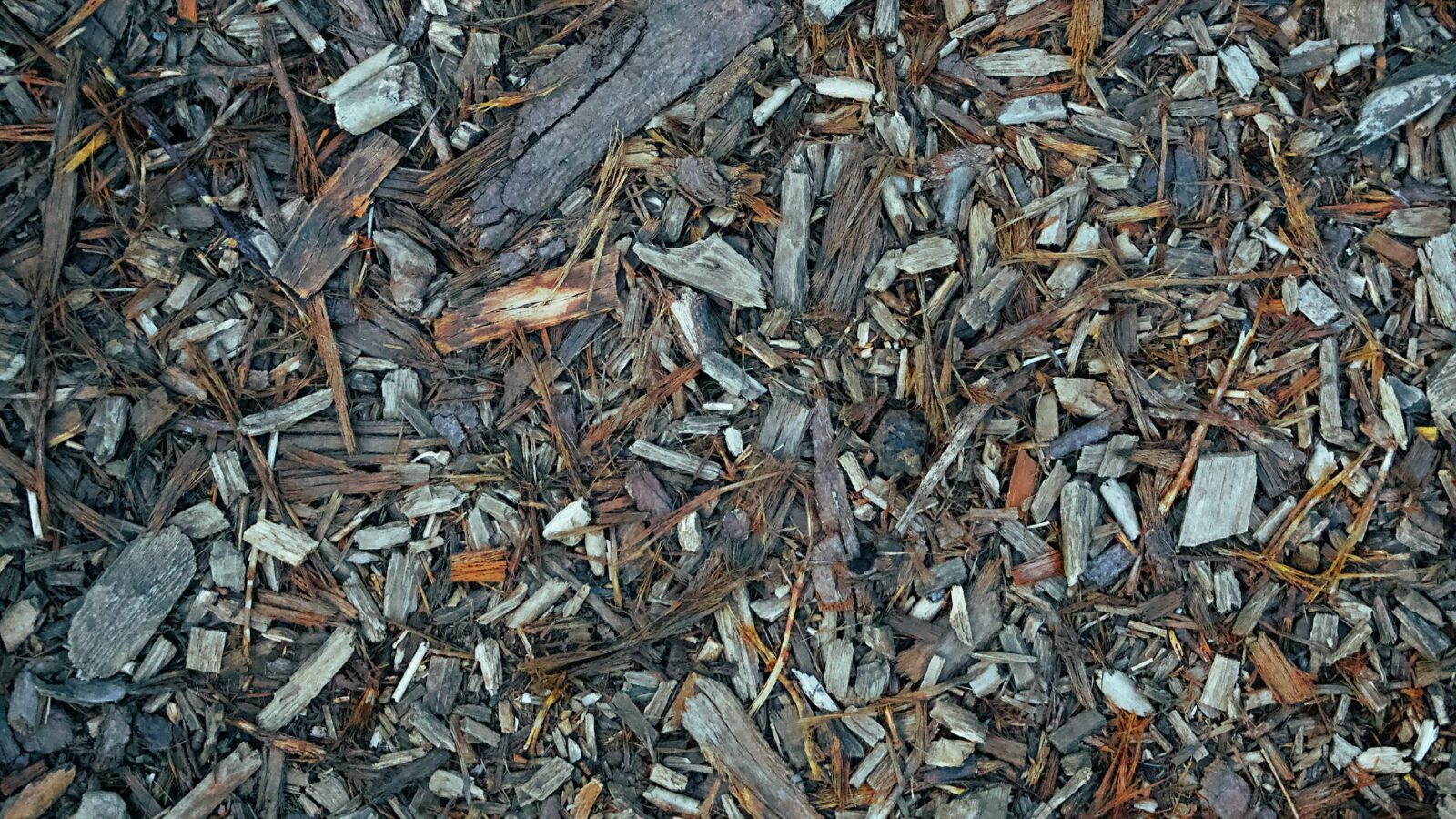
- Mulch beds with 5 to 7cm of coarse material. Straw, shredded leaves, or wood-chip paths all work. Fine compost mulches compact too tightly and are less useful as beetle habitat.
- Leave leaf litter under shrubs and along fences through winter. Rake it off beds if you must, but pile it at the edges instead of bagging it.
- Put down flat cover for daytime shelter. A 30cm square of untreated cedar or a flat fieldstone laid on soil gives beetles a cool refuge and gives you a monitoring point. Lift it once a month to see who is home.
Building a beetle bank the small-garden way
The full beetle bank was developed at the UK’s Game and Wildlife Conservation Trust in the 1980s for arable fields: a raised earth ridge sown with tussock grasses that runs through the middle of a field. You can shrink the idea to a home garden without losing much of the effect.
In my main annual bed system, which runs about 12 meters long, I built a bank between two beds: a soil ridge 60cm wide and 30cm high, edged with 15cm cedar boards to hold the shape. I sowed it in October with a mix of orchard grass and little bluestem, watered it once, and left it alone. By the following July it had visibly held slugs off the adjacent lettuce beds, and pitfall sampling turned up Pterostichus and Harpalus at roughly triple the density I found in a control bed 20 meters away with a mowed grass edge. Total materials cost was under $40 for the boards; the seed was $6.
If a raised bank is too much, a single row of orchard grass planted as 30cm plugs along a path edge does most of the same work at a fraction of the effort. Do not mow it. That is the whole trick.
How to tell a friend from a pest at a glance
Ground beetles have a distinct shape: flattened body, long legs held out to the side, prominent mandibles visible from above, and a head narrower than the thorax. Most are 8 to 25mm long and glossy black, though some are iridescent green or bronze. They run fast and rarely fly.
Confusion usually happens with three lookalikes:
| What you see | Actually a | Tell |
|---|---|---|
| Dull brown beetle, slow, hard shell | Darkling beetle (mostly harmless in garden) | Slow moving, ridged wing covers |
| Slim brown beetle that snaps when flipped | Click beetle (adult of wireworm) | Audible click, elongated body |
| Reddish larva, wire-like, in soil | Wireworm (pest) | Hard, orange, cylindrical. Ground beetle larvae are flatter, darker, jointed with obvious jaws |
If in doubt, leave it. The odds are on your side. Most fast-moving beetles you turn up in mulch are on your team.
Where people go wrong after a good start
Two mistakes come up repeatedly in gardens that made the changes above and still saw little improvement.
The first is using pitfall traps to monitor beetle numbers and then forgetting to empty them. A yogurt pot sunk to the rim with 2cm of soapy water in the bottom can kill 30 beetles a week. If you want to monitor, use dry pitfall traps checked every morning and released.
The second is hoeing paths and bed edges every week to keep them clean. Ground beetle larvae live in the top 3 to 5cm of soil for six to eight weeks. Repeated shallow cultivation in April and May destroys the generation that would have controlled your summer slug population. Hoe your growing beds if you must, but let the edges and paths sit undisturbed from March through June.
You will notice the return before you see it in numbers. Fewer chewed seedlings in the morning. Slugs harder to find under boards. Cutworm damage that used to level a row of transplants dropping to two or three lost plants across a whole bed. That is a mature ground beetle community working through the night.
Frequently asked questions
Do ground beetles bite people?
The larger species (Carabus, Calosoma) can pinch if you pick them up and squeeze, and it is memorable but harmless. Bombardier beetles, which are also carabids, can spray a hot defensive chemical at your fingers. Neither is dangerous. Handle with a leaf if you are squeamish.
Will encouraging ground beetles bring more of them into my house?
No. Ground beetles are outdoor specialists that need damp soil to survive. The occasional one that wanders inside through a door is lost, not colonizing. If you are finding numbers of dark beetles indoors they are almost certainly darkling or carpet beetles, not carabids.
How long before I see a real drop in slug damage?
In my beds, the first noticeable reduction came in the second summer after building the beetle bank. Year one shows maybe a 20 percent improvement; year two is where you stop finding slugs on your morning walk. The population needs a full overwintering cycle to build up.
Can I buy ground beetles to release?
Not sensibly. Unlike lacewings or beneficial nematodes, ground beetles are not commercially reared at meaningful scale, and released adults tend to walk straight out of the garden looking for their preferred habitat. Building habitat that keeps local beetles at home works far better than importing them.
Do ground beetles eat earthworms?
Some larger species scavenge dead worms, and a few (notably Scaphinotus) specialize in snails and slugs so completely that they leave worms alone entirely. Healthy ground beetle populations coexist with healthy worm populations in the same soil, and Cornell Extension studies have found no evidence that carabids depress earthworm numbers in cultivated ground.
Further reading
Trusted references we consulted while researching this piece. All external.