A healthy compost pile smells like the floor of a damp forest. A pile that smells like garbage, ammonia, or sulfur is telling you something specific has gone wrong. Most compost odors come from one of three causes, and each has a fix that takes one weekend.
We have brought a few neighbour’s piles back from the brink across the years. The principles are the same every time. This is the diagnostic guide we wish more new composters had.
What healthy compost smells like
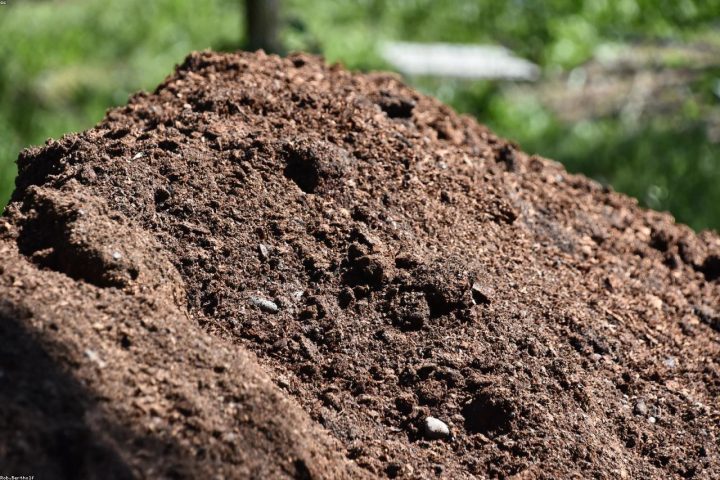
A working compost pile has a faintly sweet, earthy smell. It is the smell of leaf litter on a damp morning, of mushroom under a log, of fresh garden soil. Even when actively breaking down, a balanced pile produces only this clean earthy scent. Compost that smells like garbage, vinegar, or rot is in distress.
Diagnosing the smell
Three distinct smells point to three different problems. Identify which one you have and the fix becomes obvious.
- Ammonia smell. Too much nitrogen relative to carbon. The pile is excess greens.
- Sour, vinegary, or rotten egg smell. Anaerobic conditions (too wet, too compacted, no oxygen).
- Sweet putrefying garbage smell. Inappropriate materials (meat, dairy, oily food) rotting.
Fix one: ammonia smell
Ammonia means too many greens. Greens (kitchen scraps, fresh grass clippings, fresh garden trimmings) provide nitrogen. Browns (dry leaves, shredded paper, cardboard, straw) provide carbon. The ideal ratio is roughly two to three parts browns to one part greens by volume. When the pile is mostly greens, excess nitrogen escapes as ammonia.
The fix: add a generous layer of browns. Shred two grocery bags of cardboard or scoop a wheelbarrow of dry leaves into the pile. Mix gently to incorporate. Within three to five days, the ammonia smell should fade significantly.
To prevent recurrence: keep a stockpile of browns next to the pile. Every time you add a bucket of kitchen scraps, cover with a handful of dry leaves or shredded cardboard. The browns also discourage flies and reduce odor immediately.
Fix two: sour or rotten smell
A sour or rotten-egg smell means the pile has gone anaerobic, meaning oxygen-starved. This happens when the pile is too wet, too compacted, or both. Anaerobic decomposition produces hydrogen sulfide (the rotten egg smell), butyric acid (the sour smell), and other unpleasant compounds.
The fix: turn the pile thoroughly with a garden fork to introduce air. Pull it apart and rebuild it in a way that incorporates more bulk material (woody trimmings, straw, twigs) to maintain air pockets. If the pile is genuinely waterlogged, leave it open to dry for several days before rebuilding.
To prevent recurrence: never tarp a pile so tightly that water cannot evaporate. Use a layer of coarse material at the base when starting. Turn the pile every few weeks during active decomposition. Cover with a loose tarp only during heavy rain, removing it once the rain stops.
Fix three: garbage smell
A putrefying garbage smell indicates inappropriate materials in the pile. The most common culprits are meat, fish, dairy, and oily food. These materials rot slowly in home pile conditions, attracting flies and rodents and producing strong odors before they finally break down.
The fix: dig out as much of the offending material as you can identify and dispose of it in the trash (or in a bokashi bucket, which handles these materials well). Cover what remains with a thick layer of browns. Turn the pile to mix.
To prevent recurrence: the off-limits list is short. Avoid meat, fish, bones, dairy, oils, and pet waste. These belong in a bokashi system or municipal compost where temperatures kill pathogens. Plant-based kitchen scraps cause no odor problems when balanced with adequate browns.
When two problems are happening at once
Sometimes a pile has multiple issues. A common combination is too much greens plus too much water (heavy kitchen scraps in a rainy week). The pile becomes both ammonia-smelling and anaerobic. Treat both issues simultaneously: add browns generously and turn vigorously to spread moisture.
Another common combination is the rotten-egg smell on a tarp-covered pile with no proper turning. The lack of oxygen creates anaerobic pockets. Remove the tarp, turn the pile, and leave it open to dry for several days before recovering.
A weekend recovery plan
If your pile genuinely smells terrible, here is the weekend recovery routine. Saturday morning: identify the smell type and gather corrective materials (a wheelbarrow of leaves or shredded cardboard, a fork). Spread a tarp next to the pile. Pull the entire pile apart onto the tarp, fluffing as you go. Mix in browns generously. Rebuild the pile in a looser structure with more air pockets.
Saturday afternoon: water lightly if the rebuilt pile is dry. Cover loosely with a tarp if rain is forecast; otherwise leave open.
Sunday morning: check the pile. The smell should already be noticeably better. Do not water further unless it is very dry.
By Monday, a healthy pile is well on its way to recovery. By the following weekend, the smell should be completely resolved.
A smelly compost pile is not a failure. It is a signal that one of three specific things has gone out of balance. Identify the smell, apply the matching fix, and the pile recovers within a few days. After a season or two of paying attention, you stop having these problems because you have built the habit of balanced additions.
Preventing the bad smell in the first place
The recovery routine works, but prevention is easier. Several habits maintained from the start of a compost pile largely prevent the conditions that lead to bad smells.
Keep a stockpile of browns next to the pile. Cardboard, shredded paper, dry leaves, straw – whatever is locally available. Every time you add kitchen scraps, cover them with a handful of browns. This single habit prevents the high-nitrogen imbalance that causes ammonia smell and discourages flies.
Build the pile in clear layers. Six to eight inches of mixed materials, then a thin browns cap, then more materials. The structure prevents tight matting and maintains airflow throughout the pile. A pile built as a continuous dump of mixed materials compacts more quickly and goes anaerobic faster.
Locate the pile away from your house but accessible. Smells (mild or otherwise) drift toward houses on still days. A pile 30+ feet from doors and windows keeps even occasional bad days from becoming household concerns. Accessibility matters because a pile too far away gets neglected; balance the distance.
Turn the pile every 2-3 weeks during active warm months. The turn redistributes moisture, introduces air, and prevents anaerobic pockets from forming in the interior. A pile turned regularly almost never develops the problems that require emergency recovery.
These habits become invisible after a few months. The pile that runs cleanly for years was built with these habits from the start.
Related reading from the journal
You might also appreciate Worm Composting Indoors: A Realistic Setup Guide, Bokashi vs Traditional Composting: Which Suits Your Kitchen, and How to Build a Three-Bin Compost System That Lasts a Decade from the journal.
Further reading
Trusted references we consulted while researching this piece. All external.