Both soaker hoses and drip lines do the same essential job: they deliver water to the soil rather than the air, reducing evaporation and minimising leaf wetness. They are not identical products, though, and choosing the wrong one for your garden situation leads to predictable frustration. We have used both extensively across six seasons. Each has its place.
This is the honest comparison: what each is better at, what each fails at, and which one suits a typical home garden.
How each one actually works
A soaker hose is a permeable rubber hose, usually made from recycled tire material, that weeps water along its entire length when pressurized. Water leaks slowly through the porous walls into the surrounding soil.
A drip irrigation line, also called inline emitter tubing, is a solid plastic tube with engineered emitters spaced every six, nine, or twelve inches. Each emitter releases a precise volume of water (commonly 0.5 or 1 gallon per hour) at a specific spot.
The first key difference: soaker hoses release water at varying rates depending on pressure, distance from the source, and condition. Drip lines release water at consistent precise rates from each emitter regardless of position. This precision matters more than it sounds.
Where soaker hoses win
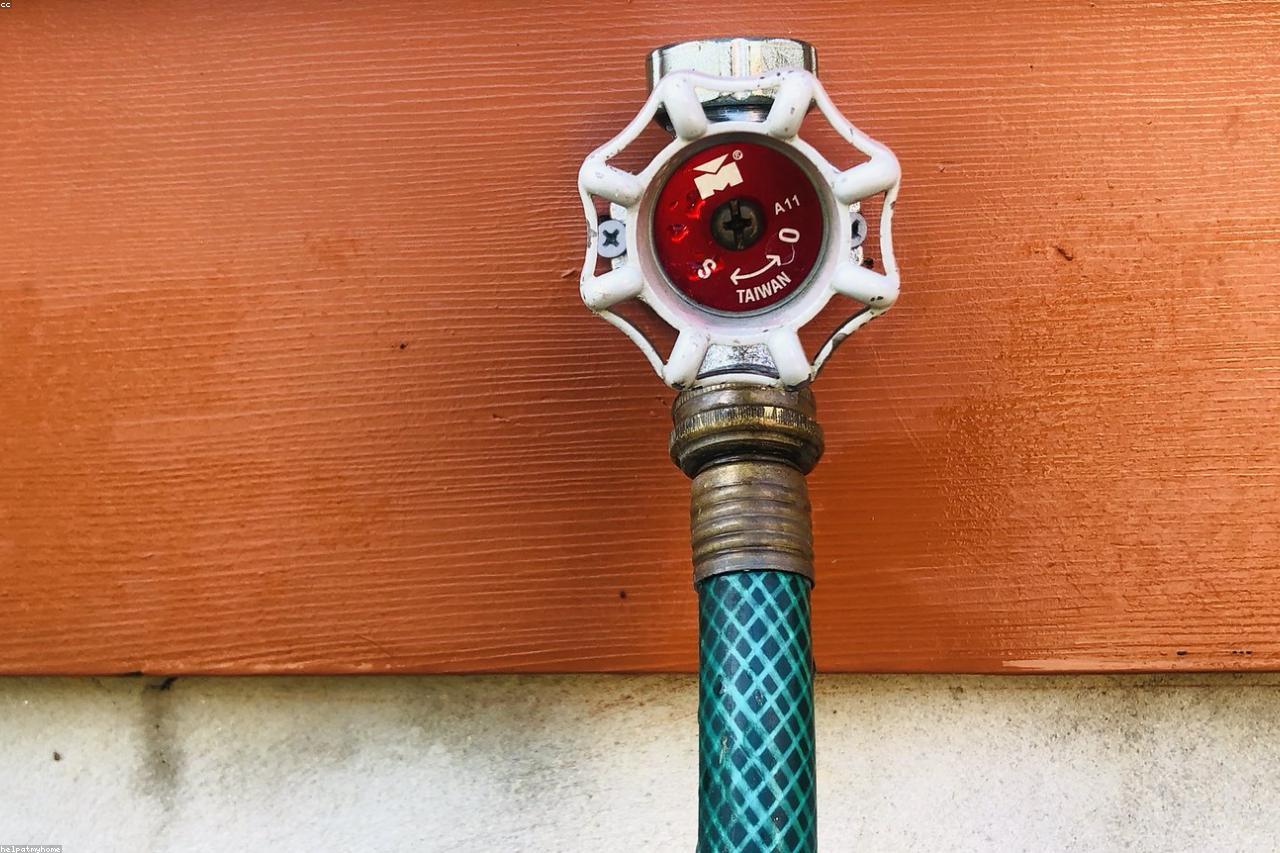
Soaker hoses are dramatically simpler. You can buy one at any hardware store, connect it to a regular hose bibb without any pressure regulator or filter, and have water flowing in five minutes. There are no fittings, no head assembly, no instruction manual.
They are also cheaper for short runs. A twenty-five foot soaker hose costs about $15. A drip kit for the same run costs $40 to $60 when you include the head assembly and connectors.
For small gardens (under fifty square feet), perennial borders, or single-bed setups, soaker hoses are often the right choice. They take an hour to install and require no planning.
Where drip lines win
Drip lines are dramatically more uniform. The far end of a long soaker hose gets noticeably less water than the near end. The end of a drip line, by contrast, gets exactly the same volume per emitter as the start. For long runs (over thirty feet) or branched layouts, this consistency makes drip the only viable choice.
Drip lines also clog less. Soaker hoses are notorious for clogging from mineral deposits and silt within a few seasons, especially with hard water. The porous walls cannot be cleaned. A drip emitter that clogs can usually be cleared with a paperclip or replaced individually for a few cents.
Drip systems last longer overall. We have soaker hoses that lasted three years before becoming irregular and useless. Our drip lines have been running for six years with only occasional emitter replacement.
Cost over five years
Soaker hoses look cheaper at the store but the math evens out over time as they wear out and need replacement. Drip lines cost more up front but last roughly twice as long. Here is a rough comparison for a 4-by-8 raised bed.
- Soaker hose: $15 initial; replace every 2-3 years; 5-year cost about $30-$45
- Drip line: $50 initial (kit) + $5 maintenance; lasts 7-10 years; 5-year cost about $55
- Drip system winner on water efficiency: roughly 15-25 percent less water used overall
Our actual recommendation
For a single-bed first-time setup or a perennial border, start with a soaker hose. The simplicity matters when you are figuring out what works in your space, and the cost is low if you decide later to upgrade.
For multiple beds, longer runs, or a permanent garden you plan to keep for years, install a drip system. The uniformity, longevity, and water savings justify the extra setup time and modest extra cost. You will not regret it.
We use both in our garden. The big vegetable beds are on drip. The small herb spiral and the front perennial border use soaker hoses because the runs are short, the layout is simple, and we did not want to engineer a system for two beds.
Common mistakes with each
With soaker hoses, the two big mistakes are running them at full residential pressure (which causes splits and uneven flow) and burying them under heavy mulch (which traps moisture against the rubber and shortens their life). Lay them on the soil surface, top with a light mulch.
With drip systems, the most common mistakes are forgetting the pressure regulator (causing emitter blowouts) and forgetting the filter (causing emitter clogs from sediment). Both components are inexpensive and absolutely essential.
Both soaker hoses and drip lines are massive improvements over overhead sprinklers for vegetable and perennial gardens. Choose by garden size and how long you plan to keep the system in place. Either way, you will save water and grow better plants.
One more consideration: where the system lives in summer
A practical detail rarely covered in head-to-head comparisons is how each system handles direct summer sun. Soaker hoses degrade noticeably faster when exposed to UV. The recycled rubber becomes brittle within two to three seasons in full sun. Mulching over them slows this dramatically; we have soaker hoses on their fifth season that still work because they have lived under straw mulch the whole time.
Drip lines made from modern polyethylene resist UV much better, often lasting seven to ten years even in exposed conditions. If your garden has a lot of exposed soil between rows, drip is the more durable choice. If you mulch heavily anyway, soaker hoses last almost as long for short runs.
For winter storage, both systems benefit from being drained but neither needs to come up. In zones 5 through 9, leaving the lines in place under mulch is fine. In colder climates, blow them clear with a low-pressure air compressor after the last watering of the season. The two minutes of effort each autumn saves replacing split lines each spring. We made this mistake exactly once with our first drip system, watching three split fittings the following May, and have never skipped the autumn blow-out since.
Related reading from the journal
If you found this useful, you may also like The Truth About Watering Tomatoes (And Why Most Guides Are Wrong), Watering New Trees Through Their First Summer, and A Quiet Weekly Watering Schedule That Actually Works.
Further reading
Trusted references we consulted while researching this piece. All external.