A search for “natural pest control” returns thousands of articles, most of which read like recipes copied between blogs without verification. Some of the remedies work. Some have no measurable effect. A few are actively harmful. Sorting them apart is genuinely useful before you spend hours making garlic spray that does not deter anything.
After several years of trying various methods (and reading actual research from extension services), we have a clearer sense of what is worth the effort. This guide focuses on the methods with real evidence behind them, and is honest about the ones that have become popular without earning their reputation.
The methods that genuinely work
A handful of natural pest control approaches have research backing them and consistent results in real gardens.
- Hand removal. Walking the garden in the cool morning, picking off visible pests (caterpillars, beetles, slugs), and dropping them into a bucket of soapy water. Boringly effective for the most common pests.
- Row cover for prevention. A lightweight fabric over young plants prevents flying insects from reaching them. Excellent for cabbage worms, flea beetles, squash vine borers, and most pests that attack specific crops.
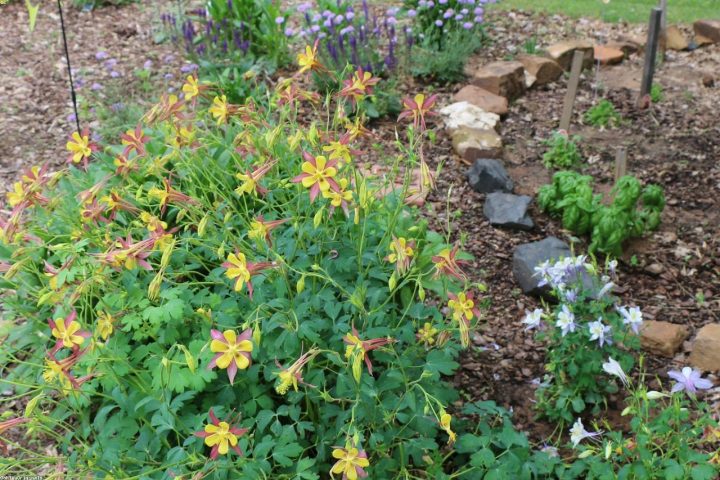
- Beneficial insect support. Plant flowering plants throughout the garden to support predator insects (ladybugs, lacewings, parasitic wasps, hover flies). These predators reduce pest populations substantially.
- Crop rotation. Move related crops to different beds each year. Breaks pest cycles that depend on returning to the same soil annually.
- Healthy soil. Plants in healthy soil are notably more pest-resistant than plants in depleted soil. Long-term soil building is one of the most powerful pest reduction strategies.
- Resistant variety selection. Many crops have varieties bred for resistance to specific diseases or pests. Reading variety descriptions and choosing resistant types is one of the easiest wins.
- Diatomaceous earth (food grade). Effective against slugs, snails, and some crawling insects. The fine particles damage soft-bodied creatures. Must be reapplied after rain.
- Bt (Bacillus thuringiensis) for caterpillars. A naturally occurring bacterium that specifically targets caterpillar pests without affecting other insects or wildlife. Used in commercial organic production.
The folk remedies that do not deliver
Several popular DIY pest sprays have minimal effect when tested in controlled conditions.
Garlic spray. Often recommended for general pest control. Field trials show minimal effect on most common garden pests. The smell deters some pests temporarily but the effect fades within hours.
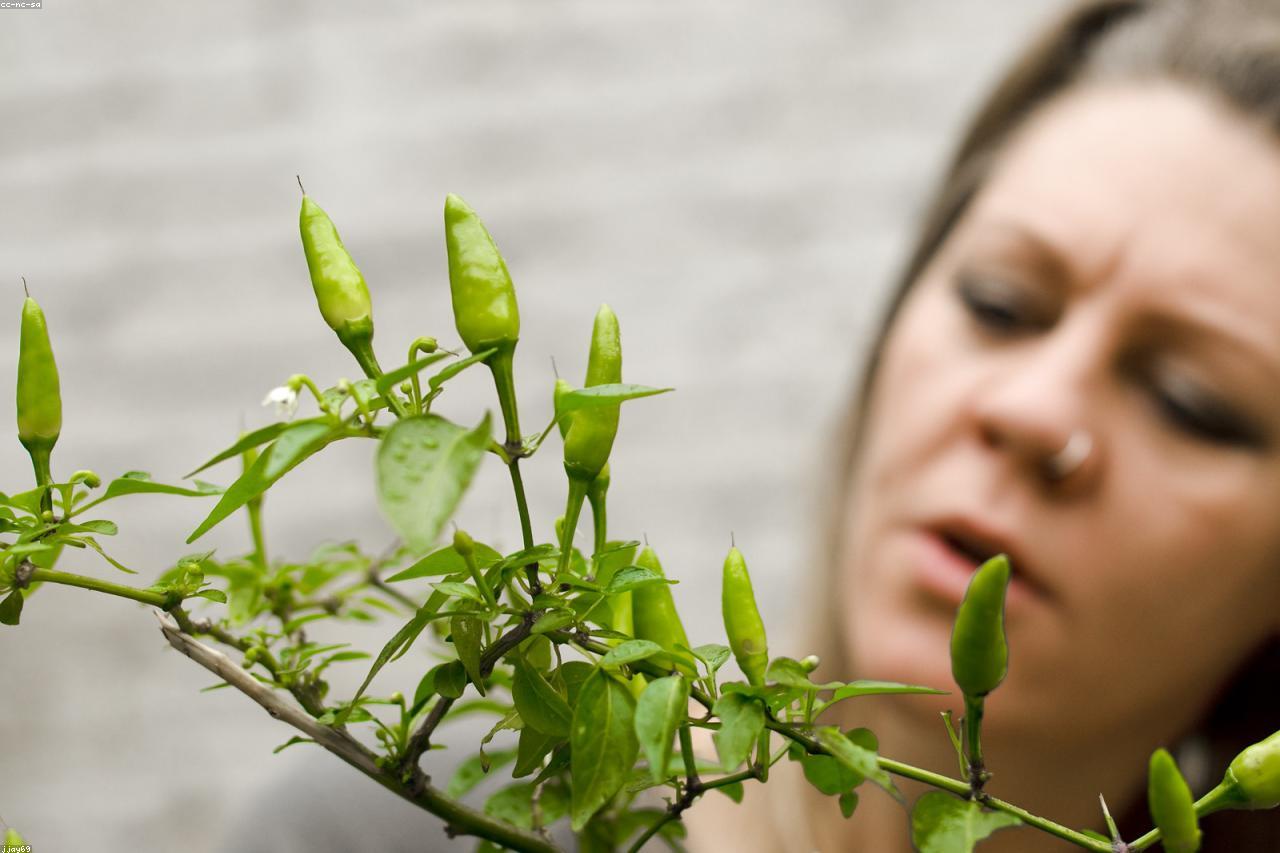
Hot pepper spray. Some effect on mammals (deer, rabbits) but limited effect on insects. Easily washed off by rain or watering.
Soap-and-vinegar spray. The soap component can be effective for soft-bodied insects on contact (similar to insecticidal soap), but vinegar adds nothing useful and can damage plant leaves.
Beer traps for slugs. Modestly effective, but only catches slugs within a few feet of the trap. A 4-foot wide patch needs multiple traps to be useful.
Eggshells against slugs. The popular claim is that crushed eggshells deter slugs from crawling over them. Trials show no measurable effect; slugs cross eggshells without difficulty.
Coffee grounds against slugs. Same as eggshells. Effect is negligible in field conditions.
The remedies that work in narrow conditions
Some treatments work but only in specific situations.
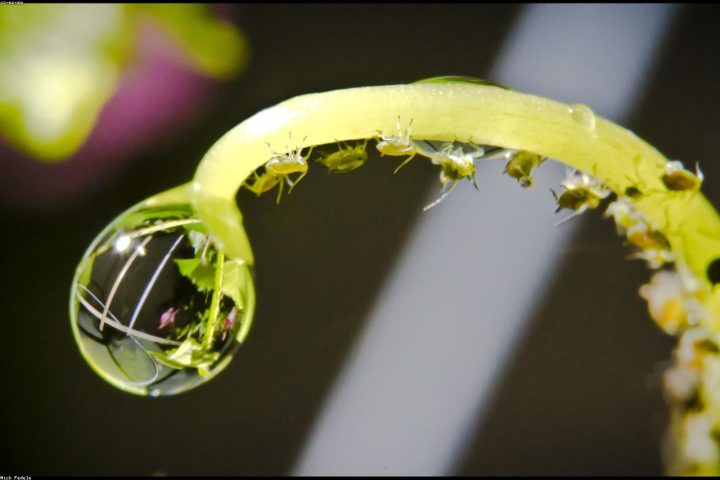
Insecticidal soap (commercial or homemade). Effective for soft-bodied insects (aphids, mites, scale, mealybugs) on direct contact. Has no residual effect; reapplication needed for new infestations. Excellent for spot treatment of visible aphid clusters.
Neem oil. Effective for many pests when applied directly. Can harm beneficial insects too; use selectively rather than broadly. Some pest resistance documented after long-term use.
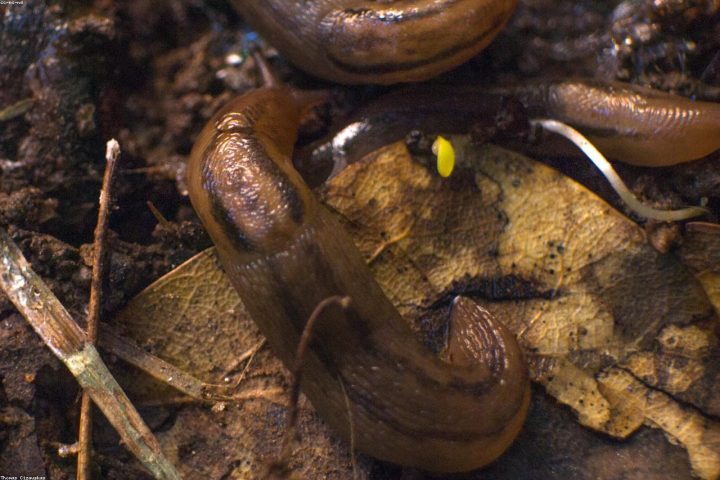
Iron phosphate slug bait (Sluggo, Escar-Go). Effective for slugs and snails. Safe for pets and wildlife. The most reliable slug control we have used.
Sticky traps for whiteflies and aphids. Yellow sticky cards catch flying pests for monitoring. Can reduce small populations but not effective for serious infestations.
The integrated approach that produces results
The most effective natural pest control is not any single method but an integrated system that uses multiple approaches preventatively.
Layer the strategies. Build healthy soil over years. Plant pest-resistant varieties. Use row cover at vulnerable stages. Support beneficial insects with flowering plants. Walk the garden regularly and hand-remove problems early. This integrated approach typically reduces pest pressure by 70-90% in established gardens.
Accept some damage. A garden that strives for zero pest damage requires constant chemical or physical intervention. A garden that tolerates 10-15% pest damage runs almost entirely without intervention. The difference in effort is enormous; the difference in usable harvest is small.
Time interventions correctly. Most pest control fails not because the method is wrong but because the timing is wrong. Hand removal of cabbage worms is highly effective if done in the first week of finding them; not so much after they have established and bred.
When to actually intervene
Not every pest sighting demands action. Use this rough threshold for deciding when to act.
- Always intervene: when 25% or more of plants in a single crop are affected; when seedlings (under 6 inches) are being attacked; when fruit or vegetables themselves are being damaged
- Often intervene: when a pest population is rapidly increasing; when the pest in question is known to spread plant disease
- Sometimes intervene: when one or two plants are showing damage; when adult pollinators or beneficials are visible alongside the pest
- Generally do not intervene: when damage is cosmetic only; when natural predators are present and visible; when only a small number of plants are affected
What we actually do in our garden
Our pest control routine is shorter than the article above might suggest because we have layered the preventive strategies for several years.
Spring: install row cover on broccoli, cabbage, and other brassicas at planting time. Remove after plants are established and predator insects are active.
Summer: walk the garden every 2-3 days, hand-pick visible pests, drop into soapy water. Spot-treat aphid clusters with insecticidal soap if predator populations seem inadequate. Apply Bt to brassicas if cabbage worms become visible despite row cover.
Late summer: monitor for squash vine borer damage; cut out damaged stems and replant if early enough in season.
Autumn: clean up obvious disease debris (do not compost diseased material), leave most perennial stems standing for overwintering beneficials.
Total time investment for pest management across the season: perhaps 6-8 hours, mostly during peak summer when several minutes of attention per day adds up.
Most natural pest control is actually about prevention through soil health, beneficial insect support, and timing. The flashy spray recipes circulating online have minimal effect. The boring fundamentals (healthy soil, diverse plantings, row cover at vulnerable stages, occasional hand removal) consistently produce gardens with few serious pest problems. Focus on the fundamentals; the recipes are mostly a distraction.
Related reading from the journal
Other entries worth your time: Organic Aphid Control for Vegetable Beds, Pest Pressure Through the Garden Year: What to Expect When, and The Slug Solution: Five Methods Ranked.
Further reading
Trusted references we consulted while researching this piece. All external.