New gardeners often overspend on equipment and supplies, much of which is unnecessary. The marketing around gardening pushes toward extensive purchases; the actual practice requires far less.
After many years of refining what we actually use, here is a clear buying guide. Some items genuinely warrant new purchases. Many work fine used. A surprising amount of common gardening “must-haves” can be skipped entirely. Sorting these out saves significant money in the first year and avoids accumulating gear that gathers dust in the shed.
Worth buying new
A handful of items genuinely warrant new purchases for quality and longevity reasons.
- Quality hand pruners (Felco or similar). Used pruners often have damaged blades that cannot be sharpened back to function. A new pair lasts decades with care. About $40-$70.
- Seeds from a reputable supplier. Quality seeds matter; cheap or old seeds germinate poorly. Buy from companies that test germination rates and stand behind their seed.
- Drip irrigation components. The plastic fittings degrade in UV; used components are often near end of life. Buy new for a complete system that will work reliably.
- Soil amendments (specific products). Bone meal, kelp meal, organic fertilizers should be fresh for full nutrient availability. Old amendments lose potency.
- Quality work gloves. Goatskin or similar leather. Lasts years; cheap gloves last a season. About $20-$40.
- Specific safety equipment. Eye protection, dust masks for compost work, knee pads if needed.
Worth buying used
Many items work perfectly well secondhand, often at 10-30% of new cost.
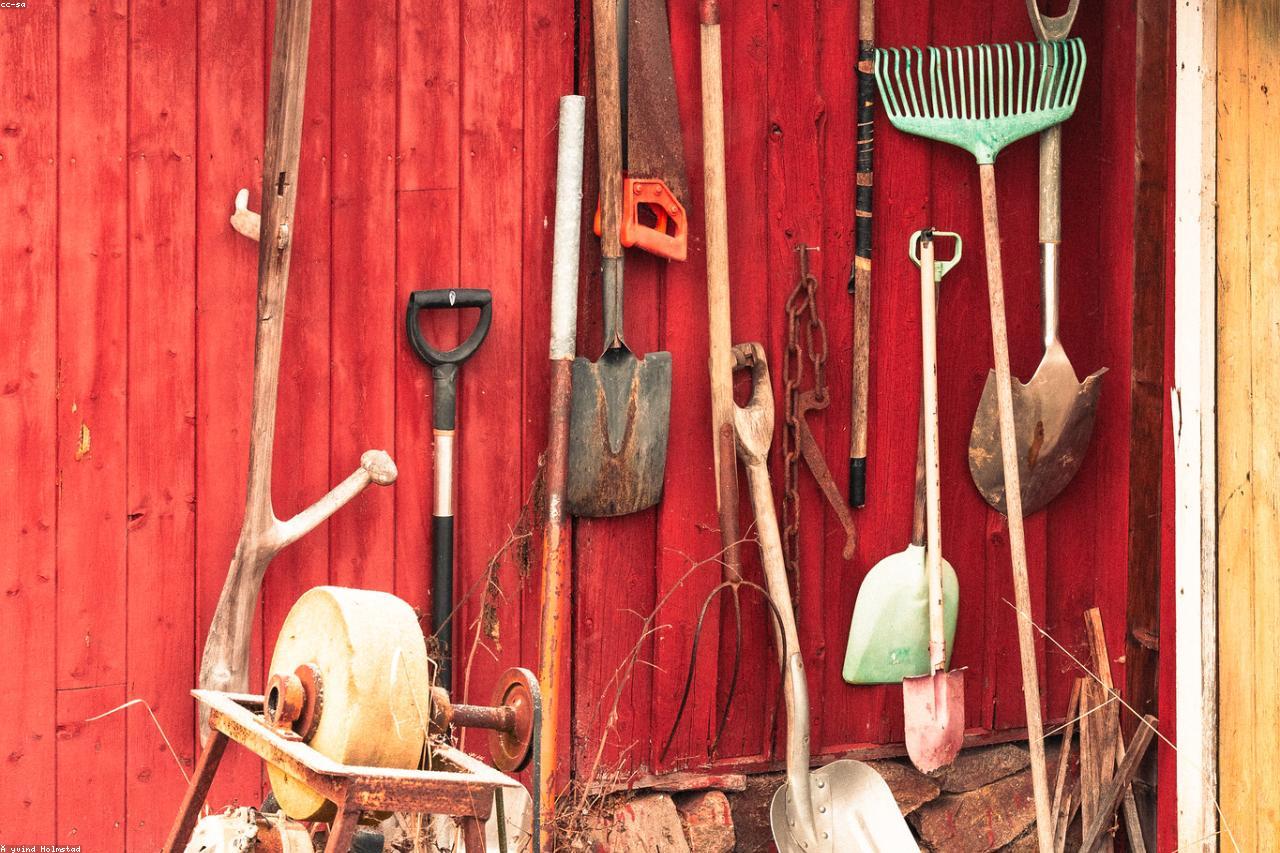
- Hand trowels and shovels. Vintage tools often better than new. Estate sales, yard sales, antique tool dealers.
- Garden forks. Solid steel forks last forever; secondhand ones often outperform new ones.
- Wheelbarrows and garden carts. A used cart in good condition costs 1/3 of new and works identically.
- Watering cans. Galvanized metal cans from estate sales are often better than new plastic ones.
- Plant containers and pots. Garden centers often have used pots free or cheap. Friends with established gardens often have surplus.
- Compost bins and tumblers. Used compost bins work as well as new; the structural components are simple.
- Raised bed lumber. Reclaimed cedar from older projects, used pallet wood (food-grade pallets only), or used cedar fence boards.
- Garden books. Library, used bookstores, online used book sites. Garden knowledge does not become obsolete; older books often contain better information than recent ones.
- Cold frames and small greenhouses. Used setups from people downsizing.
Worth getting free
Several common gardening needs can be acquired free with a bit of effort.
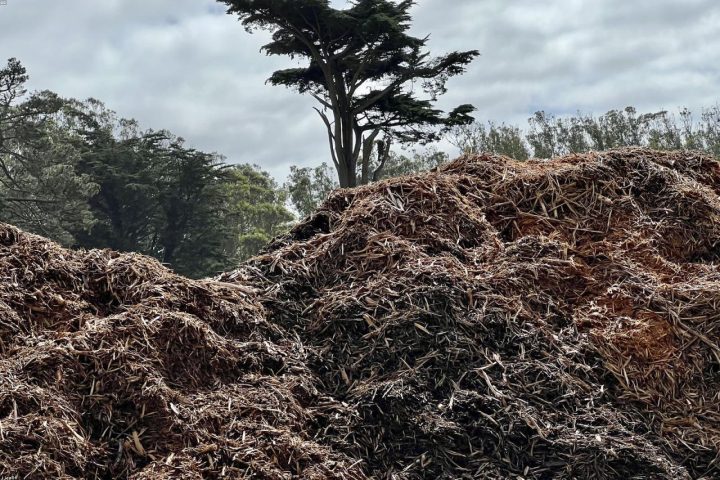
Wood chips: local arborists deliver loads for free. Check ChipDrop.com or contact tree service companies directly. A typical free load is 10+ cubic yards (a wheelbarrow takes 25-50 trips to move).
Leaves: in autumn, many homeowners pile leaves at the curb for municipal collection. Rake them into your yard before pickup. Free organic mulch and future leaf mould.
Compost: many municipal facilities sell or give away finished compost. Coffee shops give away used coffee grounds. Restaurants give away vegetable scraps. Local horse stables give away manure (typically composted by the time it is offered).
Plants: friends with established perennial gardens have extras every year. Plant exchanges in local gardening groups. Seedling giveaways at community garden events.
Cardboard for sheet mulching: any grocery store, hardware store, or appliance store has surplus cardboard they will gladly let you take.
Buckets and containers: restaurants throw away food-grade 5-gallon buckets daily. Used coffee shops give away coffee bags and burlap. Bakeries discard frosting buckets.
Stakes for tomatoes: bamboo stakes from tree clippings, branches from pruned trees, scrap lumber.
Worth skipping entirely
Several common purchases are unnecessary in a typical home garden.
Pre-made seed-starting mixes (in bulk). A simple homemade mix of compost, garden soil, and perlite works as well at a fraction of the cost.
Specialty potting soils for specific plants. The “tomato mix,” “rose mix,” and similar specialty products are marketing. A general quality potting mix works fine.
Most pesticides. Even organic ones are usually unnecessary in a healthy garden with diverse plantings and beneficial insect support. Buy specific products only when you have an identified specific problem.
Synthetic fertilizers. A garden built on compost and organic matter does not need them. The compost is the long-term fertility builder; synthetic products are short-term boosters that work against soil health.
Landscape fabric. Causes more problems than it solves over time. Cardboard sheet mulching works better and decomposes cleanly.
Plant-specific “starter packs.” The bundled products usually include things you do not need; better to buy individual items as needed.
Decorative garden art and excessive ornaments. Modest ornamentation is fine; extensive decoration becomes clutter to maintain.
Most gimmicky garden gadgets. Specialty weeding tools, “magic” growing aids, plant-talking devices. The basic tools handle the work.
Bagged premium mulches. The marketing premium is high. Free arborist chips or bulk delivered straw work as well.
A starter budget for year one
For a new gardener building a complete home garden setup in year one, a realistic budget breaks down approximately as follows.
- Quality essential tools (new): $150-$250
- Used tools and equipment: $50-$100
- Free materials (chips, leaves, cardboard, manure): $0
- Seeds and seedlings: $40-$80
- Soil amendments and compost: $50-$100
- Drip irrigation setup: $50-$100
- Raised bed materials (or used): $50-$200
- Total year one: $390-$830
What you actually need to start gardening today
If budget is extremely limited, here is the minimum viable garden setup.
- One hand trowel (used, $5): almost all planting tasks
- One quality bypass pruner (new, $35): all pruning tasks
- A patch of in-ground soil or a few containers (free or reused): the growing space
- One bag of compost (or a friend’s compost): basic soil improvement
- Three to five seed packets ($10-$15): beans, lettuce, basil, tomatoes
- One watering can (used or repurposed jug, free-$10): watering
- Total minimum: $55-$70
Smart shopping makes new gardening dramatically more accessible than the marketing suggests. Buy a few quality items new; find most equipment used; get bulk materials free; skip the gimmicks and unnecessary specialty products. A productive garden does not require expensive setup. After year one, ongoing costs drop further as your equipment is in place and your soil improves.
Related reading from the journal
If you found this useful, you may also like Mistakes Beginner Composters Make in Their First Six Months, The Beginner Gardener's First Year Roadmap, and Building a Garden Habit That Outlasts the Novelty.
Further reading
Trusted references we consulted while researching this piece. All external.