Every March I watch new gardeners till up the same 200 square feet they tilled last year, buy the same six-pack of tomato starts, and start the clock over. Meanwhile the 4 by 12 foot asparagus bed I planted in 2016 has fed my household somewhere north of 300 pounds of spears without a single replant. Perennial vegetables are the least-marketed, highest-return thing you can put in the ground, and most gardens have room for a small permanent bed that pays back for a decade or more.
This is the starter list I actually give clients here in the North Carolina mountains, not a botanical roll call of 40 obscure crops you will never eat.
Why one permanent bed changes the whole garden
A row of carrots takes roughly 90 days from sowing to harvest, and then it is done. You will spend perhaps 4 hours per 10 row feet on prep, sowing, thinning, weeding, and cleanup. A 4 by 8 foot asparagus bed takes about 6 hours to set up once, then asks for maybe 90 minutes a year in mulch and one fall cut-down. In year three it starts producing 2 to 3 pounds per crown, and in a mature bed of 20 crowns you can harvest 30 to 40 pounds of spears over a six-week window in April and May.
The math is not close. What perennials really buy you is early-season food when nothing else is ready, plus soil that stays covered and biologically active year-round because you are not tilling it.
The seven I would plant first
These are the perennial vegetables that earn their footprint in USDA zones 4 through 8. I am in zone 7a at 2,400 feet elevation in Madison County, and every one of these overwinters here without fuss.
1. Asparagus
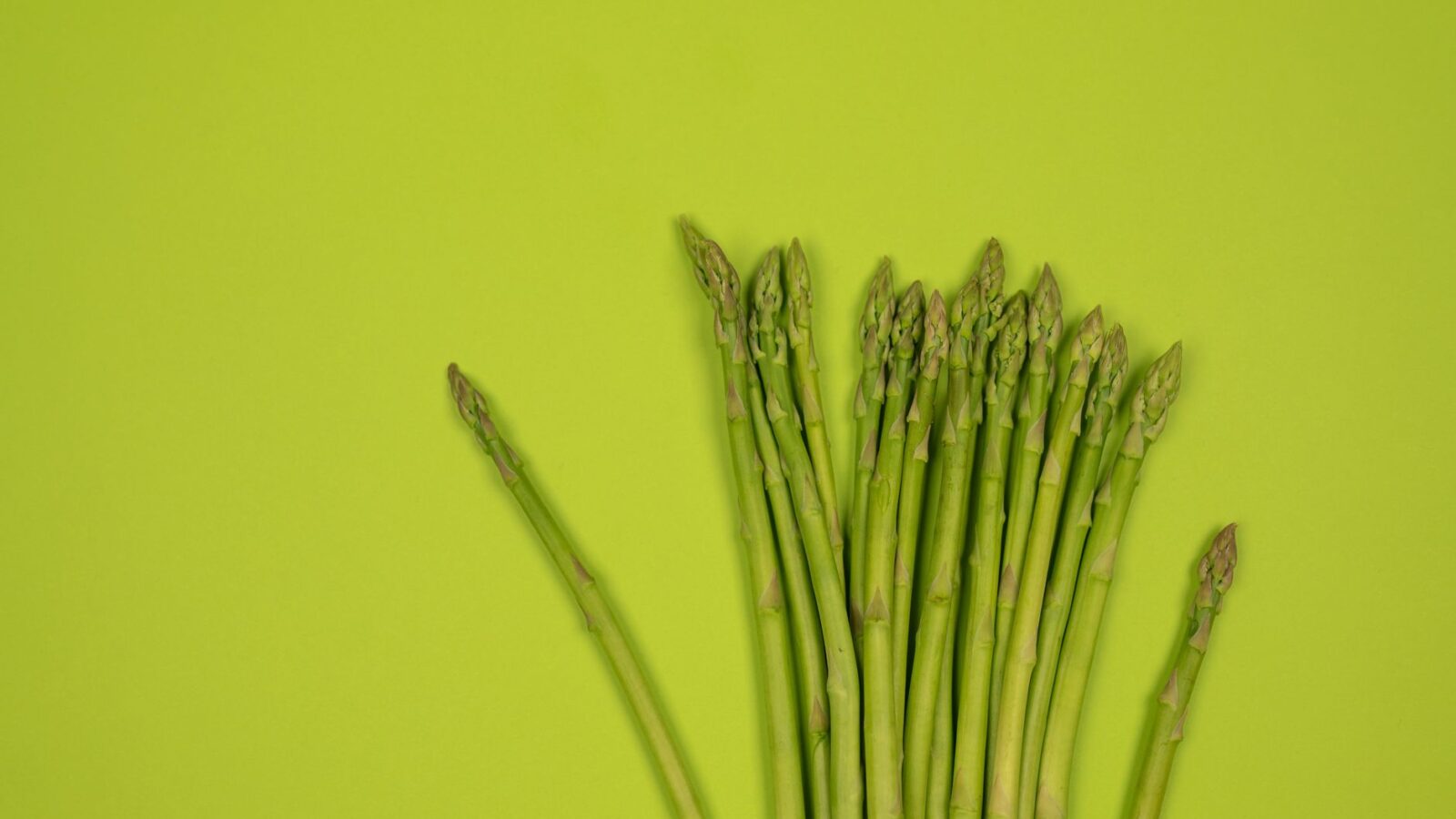
The anchor crop. Buy one-year-old crowns of ‘Jersey Knight’ or ‘Millennium’ (both are all-male hybrids and outproduce the old ‘Mary Washington’ by roughly 3 to 1). Plant 10 to 20 crowns in a trench 6 inches deep, 18 inches apart in rows 4 feet apart. Do not harvest at all the first year, take a light 2-week cut in year two, then harvest heavily for six weeks every spring after that. A well-fed bed produces for 15 to 20 years. Expect to spend about $35 for 10 crowns at a place like Nourse Farms.
2. Rhubarb
Three crowns of ‘Victoria’ or ‘Canada Red’ will supply a family. Space them 3 feet apart. Do not harvest in year one, take a few stalks in year two, then pull 15 to 20 stalks per plant per year from year three onward. Rhubarb wants cold winters and sulks below the Mason-Dixon line, but it does fine in the southern Appalachians and anywhere north. Never eat the leaves, they contain oxalic acid at levels that cause real harm.
3. Sorrel
The most underrated green in North American gardens. French sorrel (Rumex scutatus) gives you a sharp, lemony leaf from mid-March through hard frost, which in my beds means about 240 harvest days a year. Three plants on 12-inch centers produce more than any household can eat. Cut the flower stalks off when they appear, otherwise the plant coasts.
4. Egyptian walking onions
These are the strange onions that grow a cluster of tiny bulbils on top of a hollow stalk, then flop over and root themselves. Plant 6 bulbils in fall, and in three years you will have a self-perpetuating clump you can dig for green onions ten months of the year. The topsets are also edible and taste like a shallot crossed with a leek.
5. Good King Henry
Blitum bonus-henricus, a medieval spinach relative that gives you spring shoots (cook them like asparagus), summer greens, and fall seeds. It is slow to establish, so start with plants rather than seed, and give it two full seasons before you harvest hard.
6. Perennial leeks (also called poireau perpetuel)
Smaller than annual leeks, but they divide themselves every year. One planting of 6 bulbs becomes a 3-square-foot patch in four seasons and gives you leek greens for stock from October through May.
7. Sea kale
The luxury pick. Crambe maritima produces blanched shoots in early spring that taste like a cross between asparagus and hazelnut. Give it a full sun spot with sharp drainage, cover the crowns with a bucket in February to blanch them, and cut the shoots when they reach 8 inches. One plant occupies a 3 by 3 foot square and produces for 10 years.
What a small starter bed actually costs
Here is a realistic first-year budget for a 4 by 20 foot perennial bed that will feed a household of two to four for a decade or more.
| Crop | Quantity | Approx. cost | First real harvest | Productive years |
|---|---|---|---|---|
| Asparagus crowns | 15 | $50 | Year 3 | 15 to 20 |
| Rhubarb crowns | 3 | $25 | Year 2 | 10 to 15 |
| Sorrel plants | 3 | $15 | Year 1 | 8 to 10 |
| Walking onion bulbils | 12 | $10 | Year 2 | Indefinite |
| Good King Henry | 2 | $14 | Year 3 | 10+ |
| Perennial leeks | 6 | $18 | Year 2 | Indefinite |
| Sea kale | 2 | $28 | Year 3 | 10 |
| Compost, mulch, amendments | 1 cubic yard | $60 | ||
| Total | $220 |
Spread over 10 years, that works out to $22 per year for a bed that produces easily 100 pounds of food annually once mature. A single row of grocery-store asparagus in April will run you $25 by itself.
Site prep is the whole game
You will not amend this soil again for a decade, so front-load the work.
- Pick a spot with 6+ hours of direct sun and drainage that never puddles for more than an hour after rain.
- Kill the existing sod with cardboard and 4 inches of wood chips at least three months before planting, or sheet-mulch the previous fall for a spring bed.
- Test soil pH. Asparagus and rhubarb both want 6.5 to 7.0. Most Appalachian and Piedmont soils run 5.2 to 5.8, so plan on 5 to 8 pounds of pelletized lime per 100 square feet, worked in 8 inches deep.
- Incorporate 3 inches of finished compost across the whole bed.
- For asparagus, dig a separate trench 8 inches deep and 12 inches wide. Mound loose soil in the bottom, drape crown roots over the mound, cover with 2 inches of soil, and fill the rest in as shoots emerge.
- Water in with a diluted fish emulsion, then mulch 3 inches deep with straw or aged wood chips, keeping mulch 2 inches back from the crowns.
The NC State Extension asparagus guide has fertilization rates specific to Southeastern soils that are worth reading before you plant.
What goes wrong, and what to do
The three failure modes I see repeatedly:
Harvesting too early. If you cut asparagus spears in year one, you will halve the bed’s lifetime yield. The fern above ground is what feeds the crown below. Wait.
Bermuda grass or bindweed in the bed. Once these are established among perennial crowns, they are almost impossible to remove without digging up your investment. Weed weekly for the first two years. After the canopy closes and the mulch is deep, it becomes a 20-minute job per season.
Nutrient starvation in year 5. A perennial bed looks fine, then quietly declines. Top-dress every fall with 2 inches of compost and 1 cup of a balanced organic fertilizer per crown. If asparagus spears come in pencil-thin, the bed is telling you it is hungry.
Where to put it if space is tight
You do not need a dedicated bed. Rhubarb makes a striking specimen next to a garage. Sorrel and walking onions tuck into the edge of a flower border. Sea kale reads as an ornamental all season and no neighbor will know it is food. One client of mine in a townhouse yard grows 6 crowns of asparagus along a 6-foot strip between a fence and a walkway, and she gets a proper spring harvest every year.
Frequently asked questions
How long before a perennial vegetable bed pays for itself?
Sorrel and walking onions produce in year one, so those crops break even inside 12 months. Rhubarb and asparagus take 2 to 3 years before the first serious harvest, and 4 years before they hit peak production. On a $220 starter bed, most gardeners recover the cash outlay in year 4 and are pure profit after that.
Can I grow perennial vegetables in raised beds?
Yes for shallow-rooted perennials like sorrel and walking onions. Asparagus and sea kale send roots 4 feet deep and resent being restricted, so give them ground beds or raised beds at least 18 inches deep with no bottom. Rhubarb tolerates a raised bed but yields less than a plant in native soil.
Do I need to divide perennial vegetables?
Rhubarb benefits from division every 5 to 6 years in early spring, when the center of the crown gets woody and stalk production drops. Asparagus never needs division, and dividing it actually shortens the bed’s life. Walking onions and perennial leeks divide themselves and only need thinning.
What perennial vegetables tolerate shade?
Good King Henry, sorrel, and ostrich fern (for fiddleheads) all produce reasonably well in 3 to 4 hours of morning sun. Asparagus, rhubarb, sea kale, and walking onions all need 6+ hours to yield properly. If your only space is under trees, stick to the shade-tolerant list and accept smaller harvests.
Are there perennial vegetables that will not take over my yard?
Asparagus, rhubarb, sea kale, and Good King Henry stay put. Sorrel self-sows enthusiastically, so cut the seed heads before they ripen. Walking onions do exactly what the name suggests: contain them with edging or grow them where you want a permanent patch. Sunchokes and mint are the two I refuse to plant in any garden I want to stay tidy, and neither made this list for that reason.
Further reading
Trusted references we consulted while researching this piece. All external.