A productive garden hosts a small army of pest control workers that most gardeners barely notice. Birds eat caterpillars; toads eat slugs; ground beetles hunt soil pests; garter snakes eat rodents and slugs. Together these wildlife species do more pest control than any spray could.
Supporting this cleanup crew is mostly about habitat: places to live, places to hide, water to drink, food sources beyond the pests themselves. The interventions are simple and the rewards compound across seasons. This is how we have built our garden’s wildlife support over the years.
Songbirds: the daytime pest patrol
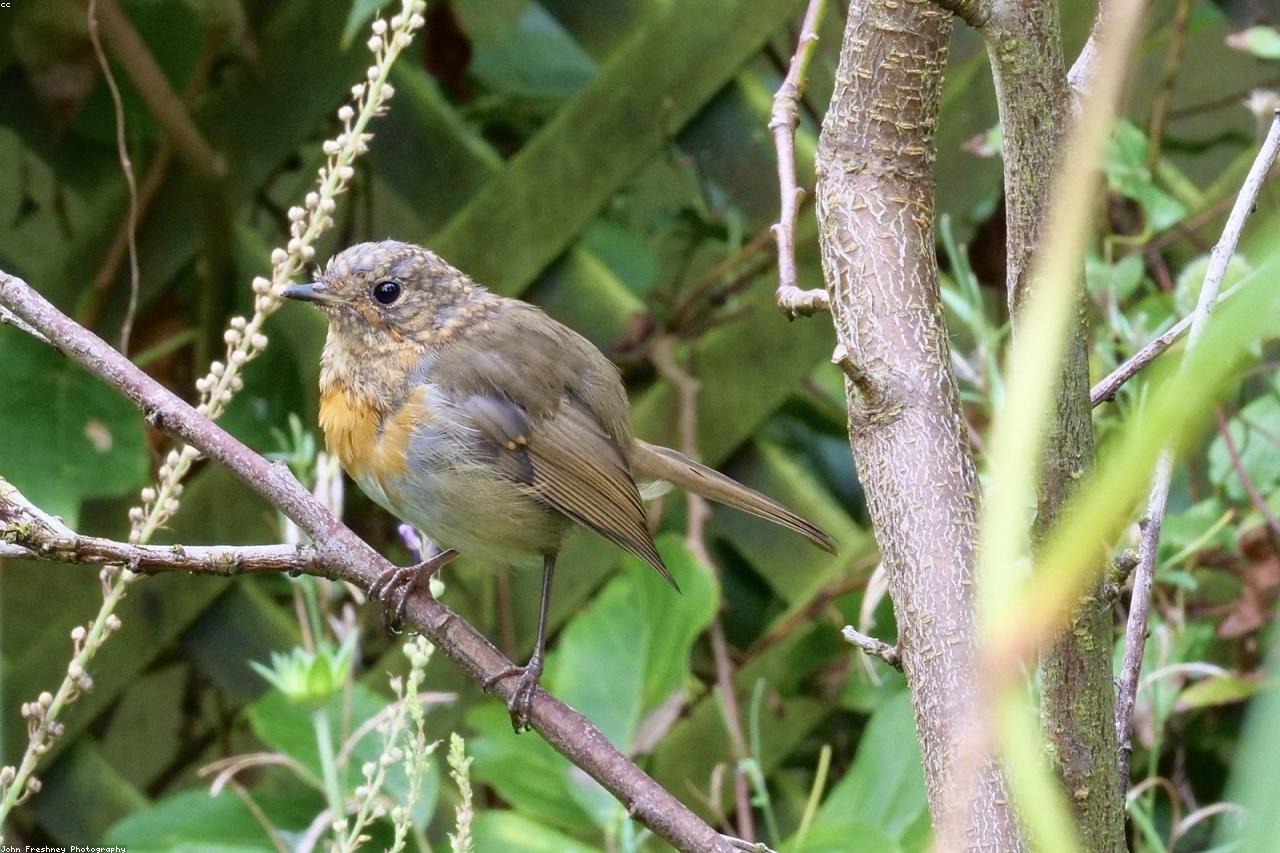
Many songbirds eat enormous numbers of garden pests, especially during nesting season when they feed insect-only diets to their young. A pair of nesting bluebirds delivers 100-300 caterpillars per day to their nestlings; chickadees, wrens, and warblers do similar work.
To support songbirds: plant native shrubs and trees that provide nesting cover and structural diversity. Provide year-round water (a simple shallow dish refreshed weekly works). Skip pesticides that reduce the insect populations birds feed on.
Specific birds and their pest work:
Bluebirds: caterpillars, beetles, grasshoppers. Nest in cavities or specially built bluebird boxes mounted on poles in open areas.
Wrens: voracious insect eaters of nearly all small species. Nest in cavities, brush piles, dense shrubs.
Chickadees: caterpillars, especially the larvae of pest moths. Nest in cavities; benefit from native trees, especially oaks.
Goldfinches: thistle seeds, dandelion seeds. Help suppress weed seed populations. Leave coneflower and rudbeckia seed heads standing through autumn.
Ground beetles: the night shift
Ground beetles are large fast-moving beetles (often shiny black) that hunt at night. They eat slugs, snails, root maggots, cutworms, and many other soil-dwelling pests. A garden with healthy ground beetle populations rarely has serious slug problems.
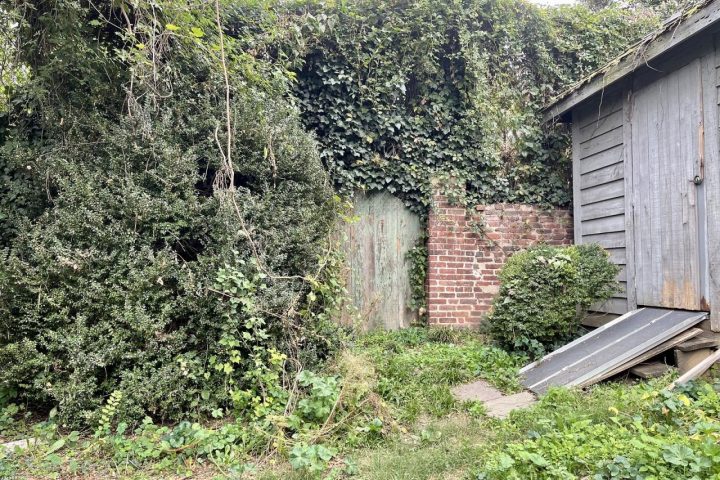
To support ground beetles: provide undisturbed habitat with cover during the day (mulch, leaf litter, stones, garden debris). Avoid tilling, which destroys their tunnels. Reduce or eliminate pesticides.
The mature beetles are entirely beneficial. They sometimes startle gardeners by emerging quickly from under a turned rock, but they are completely harmless to humans, plants, and pets. Treat them as garden allies.
Toads: the slug control specialists
A single garden toad eats 50-100 slugs, snails, beetles, and other pests per day during the active season. In a small garden, two or three resident toads provide essentially complete slug control.
To support toads: provide shelter (broken clay pot turned upside down with an entry chip removed creates a “toad house”; piles of stones or leaf litter work too), water (a shallow source they can climb in and out of safely), and freedom from pesticides (they absorb chemicals through their skin and are very sensitive).
Toads are nocturnal; you may rarely see them during the day. The signs of toad presence: small wet spots on garden surfaces in the morning where they have rested, occasional sightings at dusk as they emerge to hunt.
Garter snakes: the underrated cleanup workers
Garter snakes are small, non-venomous, and eat slugs, mice, voles, and small toads. A garter snake population in a garden provides pest control work that would otherwise require constant intervention.
To support garter snakes: provide shelter (rock piles, brush piles, undisturbed corners), reduce pesticide use (snakes are vulnerable to chemicals through their skin and through prey contamination), and tolerate occasional sightings.
Garter snakes are completely harmless to humans and pets. They will not bite if not handled; even if bitten they cannot cause serious injury. Most gardeners who initially feared snakes come to appreciate them once they understand the pest control work they do.
Spiders: the omnipresent allies
Garden spiders are perhaps the most underappreciated allies in any garden. A single orb-weaving spider catches dozens of flying insect pests per week. Wolf spiders and jumping spiders hunt ground-level pests. None of the common garden spiders are dangerous to humans.
To support spiders: provide habitat (mulch, tall perennials, vines, garden debris). Avoid pesticides. Leave spider webs in place; they catch a steady stream of pest insects throughout the season.
Tolerate webs across paths and doorways. They will be rebuilt overnight anyway. Spiders are entirely beneficial in garden settings; their presence indicates a healthy ecosystem.
Bats: the night skies cleanup
Bats eat enormous numbers of flying insects, including many garden pests (moths that become caterpillars, mosquitoes, certain beetles). A single bat eats 600-1000 insects per hour during peak feeding.
To support bats: install a bat box on the south or east side of a tall structure (10-15 feet up). Provide water (bats drink in flight from open water surfaces). Reduce outdoor lighting at night (lights confuse bat navigation and reduce flying insect populations).
Bats are not aggressive toward humans and rarely come into contact with people. Most bat species in North America are completely beneficial; the few myths about bat dangers are dramatically overstated.
Habitat that supports all of them
The various wildlife allies share several habitat needs. Building these into your garden supports all of them simultaneously.
- Native plants: support the insect populations that wildlife feed on; native plants typically support 10-100x more insect species than imported ornamentals
- Structural diversity: tall plants, mid-height shrubs, ground cover – different wildlife uses different layers
- Shelter areas: rock piles, brush piles, dense plantings, hollow logs
- Water sources: shallow dishes, birdbaths, small ponds with shallow edges
- Pesticide-free environment: any pesticide use reduces wildlife populations significantly
- Year-round food: berry-producing shrubs, seed heads from perennials, insect populations throughout the season
- Reduced lawn area: lawn supports very little wildlife; mixed plantings support orders of magnitude more
What we have built into our garden
Our small property (about 1/4 acre) supports:
10-15 regular bird species (including nesting bluebirds, wrens, chickadees), occasional visiting hawks, 3 resident toads, garter snakes in summer, abundant ground beetles, many spider species, and seasonal bat activity. The combined pest control work of this wildlife community is significant; we apply almost no targeted pest treatments throughout the season.
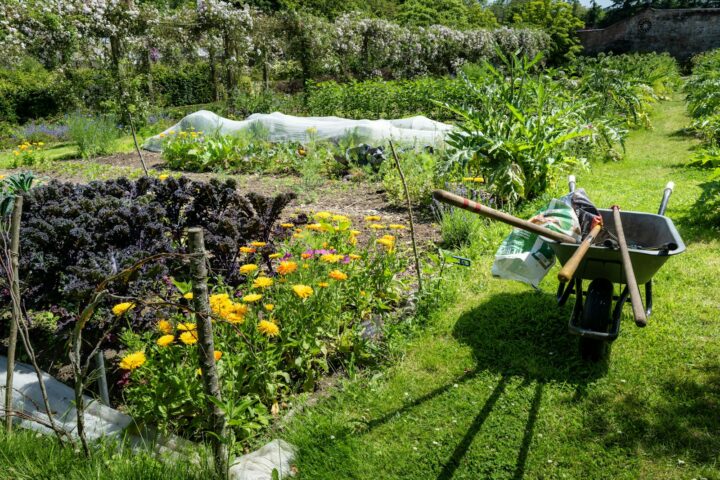
The infrastructure: native plant focus, shallow water dish refreshed weekly, brush pile in back corner, bat box on the garden shed, bluebird box on a pole at the meadow edge, toad houses in 2-3 mulched bed corners.
The total construction cost was perhaps $80 (bat box, bluebird box, materials for the toad houses). Ongoing maintenance is minimal. The pest control work the wildlife does would otherwise cost dozens of hours of gardener time and significant chemical inputs.
A garden supported by wildlife allies needs less active pest management than one that excludes them. The infrastructure (water, shelter, native plants, freedom from pesticides) is simple to provide. The return is a garden that hums with bird and beneficial insect activity, with pest populations that mostly take care of themselves. Start with one or two interventions; the benefits compound as the wildlife community establishes.
Related reading from the journal
For more along these lines, see Companion Plants That Repel Garden Pests, Dealing With Powdery Mildew Naturally, and Deer-Resistant Plants That Don't Look Like Compromises.
Further reading
Trusted references we consulted while researching this piece. All external.