A lot of garden lore around pest control is wrong. Some of it is harmless (the methods do not work, but they also do not hurt). Some of it actively makes gardens worse. The myths we discuss here are the ones we have seen cost real harvests for gardeners following the advice in good faith.
Each of these myths is widely repeated. Each has a kernel of truth wrapped in claims that do not hold up. Each has caused real disappointment for gardeners we have helped. Knowing the actual story makes a meaningful difference in how you manage your garden.
Myth one: all bugs are bad
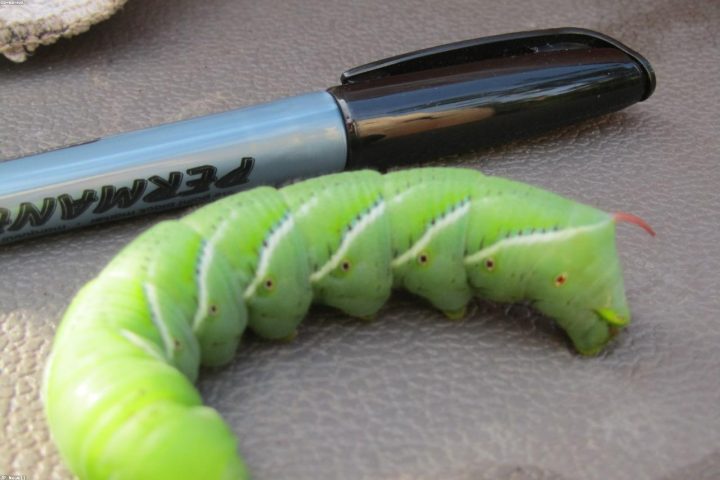
The default response to “bug on plant” for many gardeners is “kill it.” This costs more harvests than any other single mistake.
The vast majority of garden insects are either neutral (harmless to plants) or beneficial (predators of pest insects, pollinators, decomposers). Killing them indiscriminately removes the predator populations that would otherwise keep actual pests in check.
A garden with 100 insect species and modest pest pressure is healthier and more productive than a garden with 5 insect species (all pests, because the predators have been eliminated). The harvest difference compounds across years; a balanced garden often produces 30-50% more than an aggressively managed one over a 5-year period.
The fix: identify before you act. Most garden insects can be identified through apps (iNaturalist) or extension service guides. The “scary-looking” insects (ground beetles, lacewing larvae, parasitic wasps) are often beneficial.
Myth two: spraying everything prevents pest problems
Some gardeners apply broad-spectrum sprays preventively, on the theory that this stops pests before they become a problem. The opposite happens.
Preventive spraying kills predator insects faster than it kills pests (predators have lower reproductive rates and recover more slowly). The next pest wave (which always comes) finds no predator response, leading to larger outbreaks. The result is more spraying, more dependence, and ongoing pest problems.
Even organic preventive sprays cause this problem. Pyrethrum, spinosad, neem oil applied preventively all suppress beneficial insect populations.
The fix: spray only specific identified pests, on specific affected plants. Avoid broad applications. Tolerate modest pest populations.
Myth three: more pesticide is better
Even with organic methods, gardeners often apply more product than necessary, on the theory that more = more effective. Several problems result.
Excessive application damages plants (most products burn leaves at high concentrations). Beneficial insects are more affected than at lower doses. Pesticide resistance develops faster (pests exposed to sublethal doses build resistance to the active ingredient).
Many organic pesticides have very specific application rates that produce good results; higher rates produce diminishing or negative returns.
The fix: follow label directions exactly. Apply less rather than more when uncertain. Spot-treat affected areas rather than blanket-spraying.
Myth four: my single plant problem requires garden-wide treatment
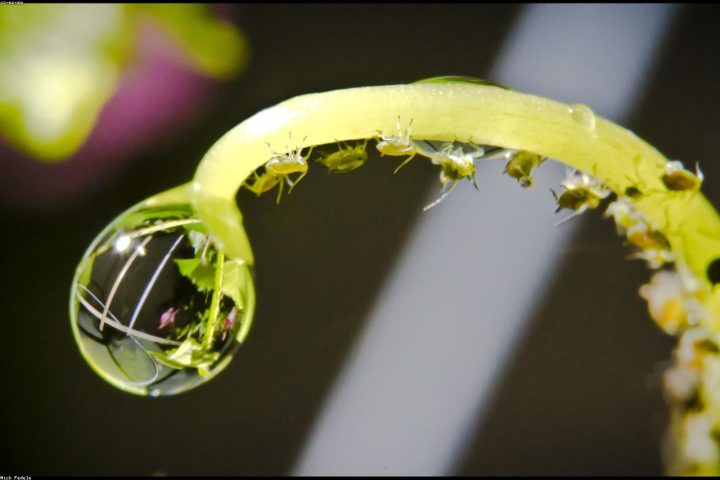
Finding aphids on one plant triggers many gardeners to treat the entire garden. This is wildly disproportionate to the actual problem and causes broader damage than the original pest.
Pest problems are usually localized, especially in early stages. Treating just the affected plant or section addresses the issue without disrupting the larger garden ecosystem.
Spot treatment is more effective than broad treatment because it preserves predator populations in the unaffected areas. These predators can then move into the treated area as the pest population is reduced.
The fix: treat the smallest possible area. A handful of aphids on one tomato gets spot-treated; a heavy infestation across the bed warrants broader response. The scale of response should match the scale of the problem.
Myth five: a clean garden is a healthy garden
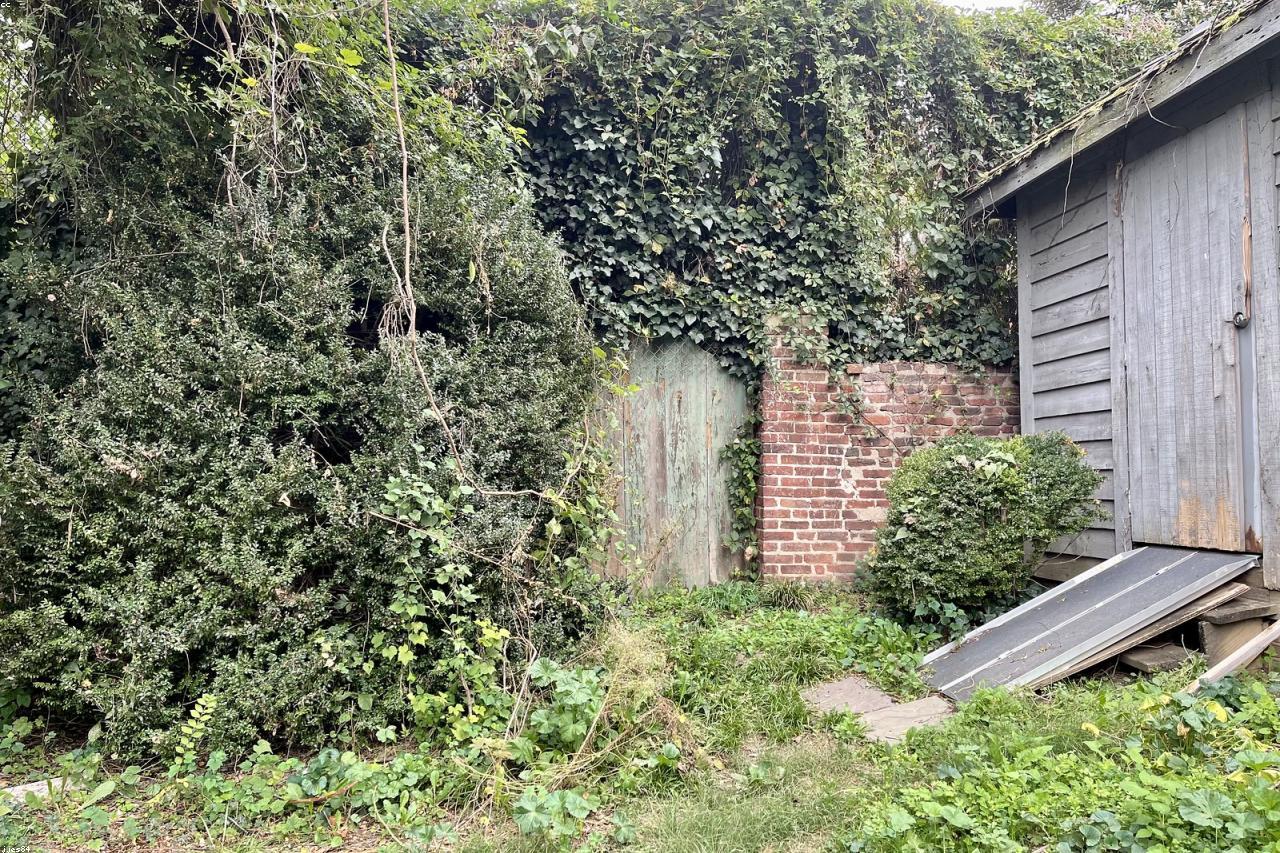
The folk image of a productive garden involves tidiness: no fallen leaves, no untrimmed perennials, no brush piles, no “messy” corners. This image is wrong for actual ecological health.
The “messy” elements of a garden support the predator insects and other beneficial organisms that keep pest populations in check. Standing perennial stems through winter shelter overwintering insects and pollinators. Fallen leaves support the soil food web that builds healthy soil. Brush piles host birds, beneficial insects, and small mammals that contribute to ecological balance.
Aggressively tidied gardens have higher pest pressure year after year because they have eliminated the habitat for the organisms that would otherwise control pests.
The fix: tolerate some untidiness. Designate “wild corners” that stay untouched. Leave fallen leaves under shrubs and in beds. Cut perennials back in early spring rather than autumn.
The principle behind all five myths
Each of these myths shares a common error: treating the garden as something to manage and control rather than as an ecosystem to support and work with.
A well-functioning garden ecosystem largely manages itself. The gardener’s job is mostly creating conditions for the ecosystem to thrive (healthy soil, diverse plantings, undisturbed habitat for beneficials) rather than constantly intervening to “control” various elements.
The mental shift takes a few seasons. The first year of less intervention often produces more pest activity (the system is rebuilding). The second year shows visible improvement. By year three, the garden runs noticeably better with less active management than the conventional approach.
What to do instead
The replacements for these myths fit on a single page.
- Instead of killing all bugs: identify before acting; tolerate beneficial insects; let predator populations build
- Instead of preventive spraying: support beneficial insects through flowering plants; spot-treat identified problems only
- Instead of more pesticide: follow label rates exactly; treat smallest possible area; rely on cultural methods when possible
- Instead of garden-wide treatment: treat the affected plant only; preserve predator populations elsewhere
- Instead of constant tidying: leave perennial stems standing through winter; tolerate brush piles and fallen leaves; designate wild corners
A garden managed around these five myths typically has more pest problems, more chemical inputs, and less productive harvests than a garden managed around the principles that replace them. The shift takes time. The results are real and compound across years. Start with one change this season; expand the approach as you see what works in your own garden.
Related reading from the journal
You might also appreciate Garden Balance: Why Some Pests Should Stay, Natural Lawn Weed Control That Actually Reduces Weeds, and Natural Pest Control That Works (And What's Just Folk Wisdom) from the journal.
Further reading
Trusted references we consulted while researching this piece. All external.