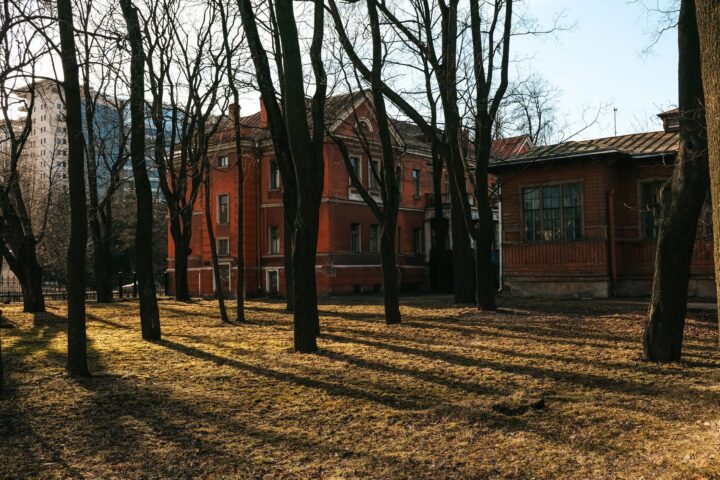
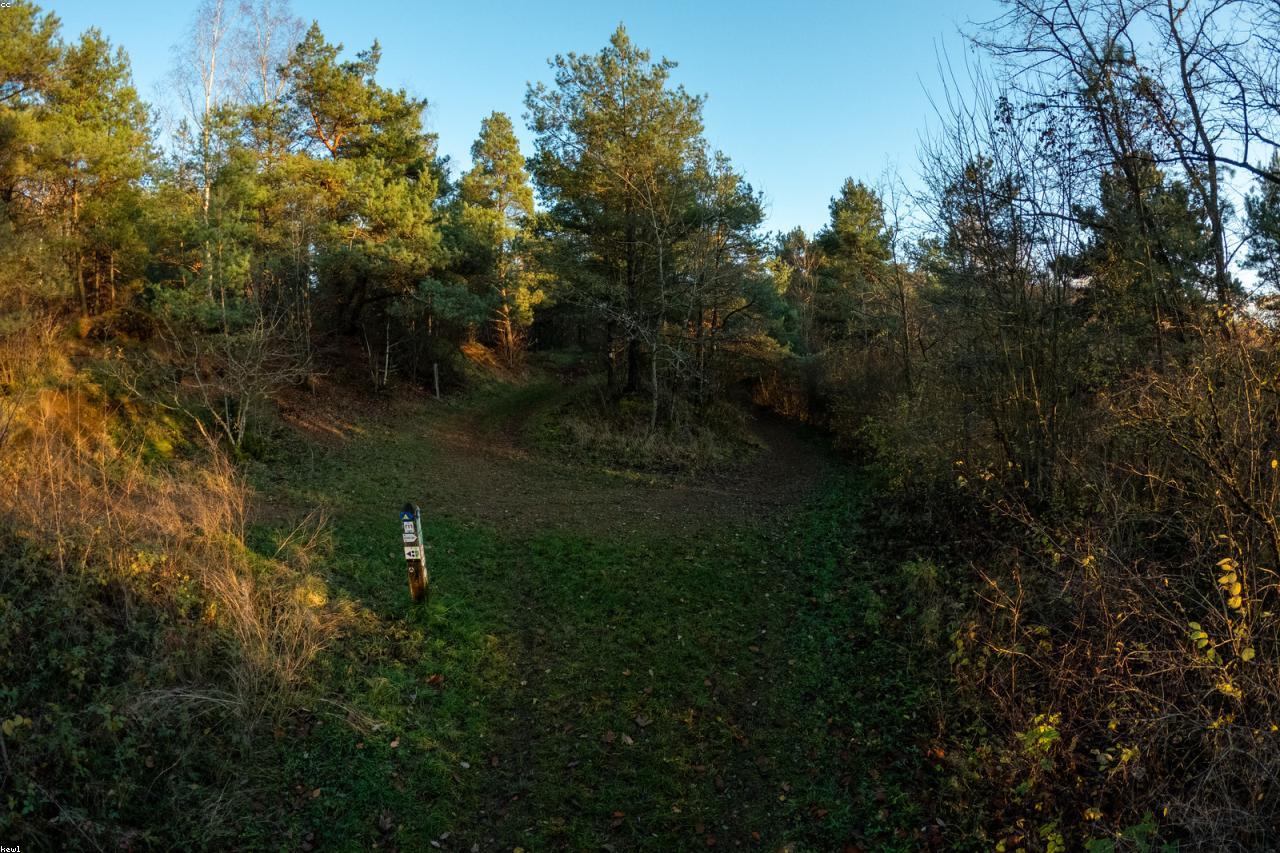
Most garden design focuses on the months of obvious beauty: spring bulbs, summer perennials, autumn fire. Then comes November, when the leaves have fallen and the perennials are cut back and the garden becomes a flat brown expanse for the next four months.
A garden that looks beautiful in November is different. It has been planned for the quieter half of the year, not just the showy half. Once you know what to plant and what to leave standing, the November garden can be one of the most interesting parts of the gardening year. Our front bed, designed with this in mind, often looks more striking in late autumn than it does in midsummer.
The four pillars of a November garden
Late-autumn beauty comes from four design elements working together. Each one is small; together they transform the garden.
- Seed heads and standing perennials: the dried structures of summer perennials provide texture and movement
- Ornamental grasses: the most reliable source of late-autumn color and movement
- Evergreens of varied scale: small evergreen shrubs and ground covers provide year-round structure
- Berry-producing plants: berries hold through autumn into winter, providing color and food for birds
Standing perennials worth leaving up
Not every perennial looks good in late autumn after the flowers fade. Some collapse into wet brown mush. Others develop architectural seed heads and stems that remain attractive through winter. Choosing the right perennials for “stand-up appeal” is the first move.
Best for winter standing: echinacea (the dark seed cones are striking), rudbeckia (similar dark cones), sedum (rust-colored flower domes), monarda (delicate seed heads), most ornamental grasses, joe pye weed, baptisia, ironweed, eryngium (silvery sea holly).
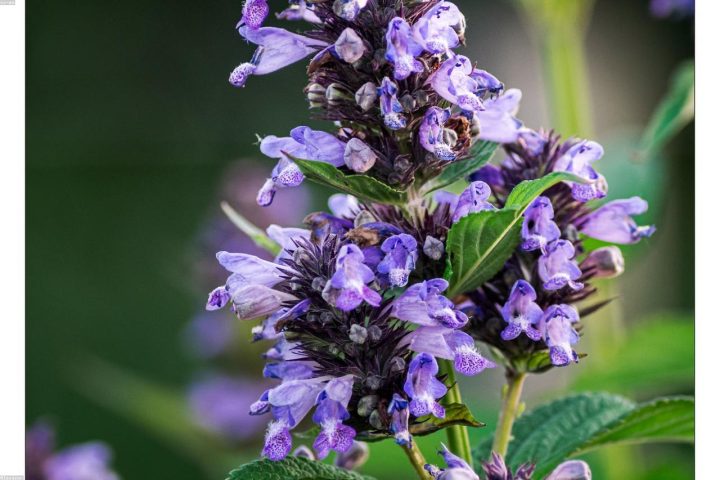
Less reliable for winter standing (cut back in autumn): hostas (collapse into mush), peony foliage (collapses), bearded iris (rots), most cranesbills, most catmint after first hard frost.
Ornamental grasses are the workhorse
If you choose only one category for a November garden, choose ornamental grasses. They reach peak color in autumn (gold, copper, rust, deep red) and hold their structure through most of winter. They move beautifully in wind. They catch low autumn light in a way no other plant does.
Reliable performers: little bluestem (copper-red autumn color), switchgrass (gold), miscanthus (silver and gold seed plumes), karl foerster reed grass (vertical structure), pennisetum (fuzzy seed heads), purple muhly grass (pink autumn cloud).
Plant grasses in repeated drifts of 3-5 plants. A single grass looks lonely; a drift catches light and movement. Locate them where low autumn sun will backlight them; the visual effect is striking.
Evergreen structure
Some evergreen presence anchors the garden through winter and provides counterpoint to the dried perennials. The goal is not to plant a fortress of conifers but to add a few well-chosen evergreens that punctuate the bed.
- Small evergreen shrubs: dwarf alberta spruce, small hinoki cypress, dwarf mugo pine, boxwood (in formal contexts)
- Broadleaf evergreens: rhododendron, mountain laurel, oregon grape, certain hollies
- Evergreen groundcovers: creeping phlox, sedum, vinca, european ginger
- Evergreen sedges: Carex pensylvanica and others provide grass-like evergreen texture
Berries through autumn and winter
Berry-producing plants extend visual interest into late autumn and provide food for birds. The plants vary in when their berries appear and how long they persist.
Late-summer berries (eaten quickly by birds): elderberry, serviceberry. Beautiful while they last; gone by October.
Autumn-to-early-winter berries: viburnum, beautyberry (Callicarpa), various crabapples, hawthorn. Provide color into November and December.
Persistent winter berries: winterberry holly (Ilex verticillata) is the champion; the bright red berries remain through winter into spring. Snowberry, rose hips, and some viburnums also persist.
A November-friendly bed layout
For a 6-by-12-foot perennial bed designed for late-autumn beauty:
Backbone: 3-4 ornamental grasses (one tall miscanthus or panicum, plus a drift of little bluestem) for primary winter structure and color.
Layer: 5-7 echinacea purpurea (for the dark seed cones), 3 sedum (for the rust-colored late flower domes), 3-5 rudbeckia (for additional seed heads).
Anchors: 1-2 small evergreen shrubs (a dwarf hinoki cypress, a small mugo pine) to provide year-round structure.
Edge: a sweep of low evergreen groundcover (creeping sedum or evergreen sedge) along the front.
Berry plant: one winterberry holly nearby for late-season color.
By November this bed has structure (grasses, evergreens), texture (seed heads at multiple heights), color (rust, copper, dark seedheads, evergreen blue-green), and visual interest that holds through winter.
The mistake to avoid: tidy autumn cleanup
The single biggest mistake gardeners make for winter interest is cutting everything back in October. The garden suddenly becomes a flat brown expanse. The seed heads that would have provided four months of structure are in the compost. The wildlife that would have used the standing stems for overwintering shelter is displaced.
The better approach is to leave most perennial stems standing until early spring. Cut back only the ones that have collapsed or become unsightly. Tidy the garden in March or April, just before new growth emerges. The winter garden looks much more interesting and the wildlife benefits significantly.
A garden designed for November is a garden designed for the full year. Ornamental grasses, standing perennials with attractive seed heads, a few evergreen anchors, and berry-producing shrubs together create a quietly beautiful late-autumn landscape that rewards attention through the quieter season. The change in design philosophy is small; the change in winter pleasure is significant.
The hardest aesthetic shift: accepting brown
The biggest mental adjustment for gardeners committed to year-round garden interest is accepting brown as a color rather than as a sign of failure. Most garden aesthetics treat brown perennial stems, brown seed heads, and brown leaves as evidence of neglect. A garden designed for November interest treats them as essential design elements.
Brown ornamental grasses backlit by low autumn sun are spectacular. Brown coneflower seed heads against early snow are sculptural. Brown sedum domes through January and February provide structure no green plant could. The shift from “needs cutting back” to “essential to the garden right now” takes a season or two to internalize fully.
The trick is intentionality. A garden where everything happens to be brown reads as untended. A garden where specific structural plants are intentionally allowed to show their winter forms reads as designed. The difference is in the visible care of the surrounding context: clean path edges, defined bed boundaries, well-placed evergreens, occasional pruned shrub.
If you want to test this, leave just one section of perennial bed standing through next winter rather than cutting back in autumn. Observe how it looks across November, December, and February. The visible structure across the dormant months changes how you feel about the garden during the half of the year when it is not in bloom.
Related reading from the journal
Readers of this guide often turn next to Garden Paths That Work With Wet Soil, Hedgerows for Small Properties: A Forgotten Idea Worth Revisiting, and Low-Maintenance Garden Layouts for Working Households.
Further reading
Trusted references we consulted while researching this piece. All external.