A list of “every native plant for the eastern US” runs to thousands of species and is overwhelming for a beginner. This list is the opposite. Fifteen reliable, beautiful, well-behaved natives that perform well in zones 5 through 8 across the eastern half of the country. Each one is something we have grown ourselves and can vouch for.
The eastern US has an extraordinarily rich native plant heritage. Choosing fifteen feels almost criminal; we left out hundreds of worthy species. But fifteen is a manageable starting list for someone building their first native garden, and these particular fifteen will get you started well.
The shortlist
Each entry below includes scientific name, zones, light needs, and a short note on what makes it worth growing.
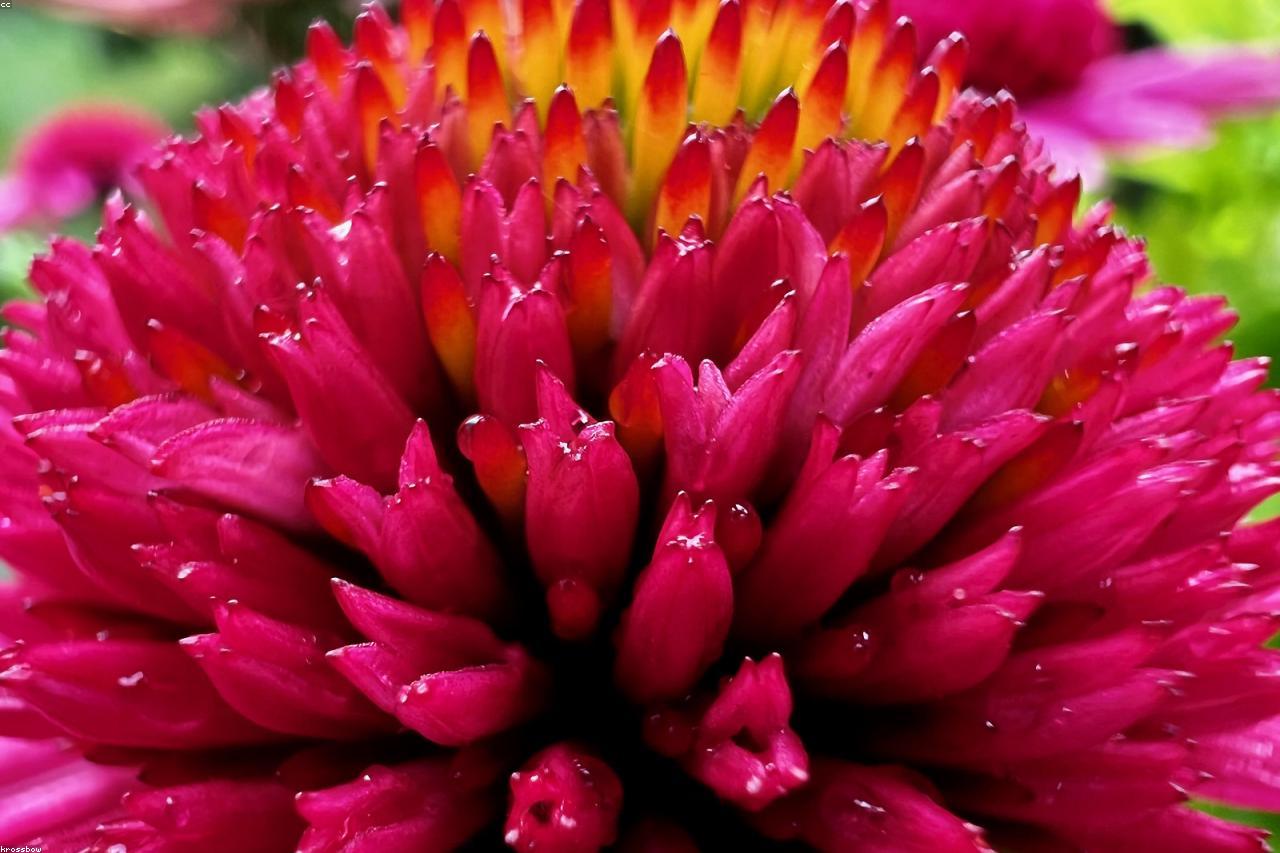
- Purple coneflower (Echinacea purpurea). Zones 3-9, full sun. The pollinator garden classic. Pink-purple daisies all summer, finch food in autumn from the seed heads.
- Black-eyed Susan (Rudbeckia hirta). Zones 3-9, full sun. Golden daisies for months. Reliable bloomer in any reasonable soil.
- Bee balm (Monarda fistulosa or didyma). Zones 3-9, full sun to part shade. Hummingbird and bee magnet. Choose powdery-mildew-resistant cultivars in humid regions.
- Butterfly milkweed (Asclepias tuberosa). Zones 3-9, full sun. Bright orange flowers, monarch host plant, drought-tolerant once established.
- New England aster (Symphyotrichum novae-angliae). Zones 3-7, full sun. Late-summer purple bloom when most other plants are fading.
- Goldenrod (Solidago rugosa “Fireworks”). Zones 4-8, full sun. The fall pollinator powerhouse. Sterile cultivars stay tidy.
- Mountain mint (Pycnanthemum muticum). Zones 4-8, full sun to part shade. Subtle silver-white flowers; one of the highest-rated pollinator plants in university trials.
- Joe Pye weed (Eutrochium maculatum). Zones 4-9, full sun to part shade. Tall (5-7 feet) with dusty pink flower clusters loved by butterflies.
- Wild bergamot (Monarda fistulosa). Zones 4-9, full sun to part shade. Lavender-pink flowers, exceptional pollinator value.
- Foamflower (Tiarella cordifolia). Zones 3-7, partial to full shade. White flower spires in spring, attractive foliage all season. The shade gardener’s essential.
- Wild columbine (Aquilegia canadensis). Zones 3-8, part shade. Red and yellow nodding flowers in late spring. Hummingbird favorite.
- Virginia bluebells (Mertensia virginica). Zones 3-8, part to full shade. Spring ephemeral. Blue bells in April, dormant by July.
- Little bluestem (Schizachyrium scoparium). Zones 3-9, full sun. Native warm-season grass. Blue-green summer color shifting to copper and crimson in autumn.
- Switchgrass (Panicum virgatum). Zones 4-9, full sun. Tall native grass with airy seed heads in autumn. Excellent vertical structure.
- Serviceberry (Amelanchier canadensis). Zones 4-9, full sun to part shade. Small native tree. White flowers in spring, edible berries in summer, brilliant autumn color.
How to use them in a small bed
Fifteen species sounds like a lot for a small garden, but the design pattern is simpler than it appears. Choose a few backbone plants and repeat them; do not try to use all fifteen at once.
A starter design for a 6-by-10 sunny bed: three groups of purple coneflower (5 plants each), three groups of black-eyed Susan (5 plants), two groups of butterfly milkweed (3 plants each), one drift of mountain mint (5 plants), a back row of New England aster (3 plants), and one or two serviceberries if there is room. That is roughly 30 plants. Add a goldenrod cultivar at the back corner and you have continuous bloom from May through October.
Sourcing native plants
Big-box garden centers usually do not carry native plants reliably, and the ones they do carry are often treated with neonicotinoid pesticides that harm pollinators for months. Better sources include local native plant nurseries (search “native plant nursery” plus your region), regional native plant society sales (often the best prices), and online native plant specialists.
The Ladybird Johnson Wildflower Center website is the most reliable national resource for identifying which plants are truly native to your specific area. Their native plant database covers most North American species with information about provenance.
What "native" actually means
“Native” is contested terminology. The most rigorous definition is “occurring naturally in a region before European colonization.” A looser definition includes any species that has naturalized over centuries. For practical garden purposes, the rigorous definition is more useful because it ensures pollinator-plant relationships that have evolved together.
Beware of “nativars”: cultivars of native species selected for specific traits (compact growth, double flowers, unusual colors). Some nativars are fine, but others have been bred so far from the original species that they no longer provide the same pollinator value. When in doubt, choose the straight species over the cultivar.
A common mistake to avoid
The most common mistake with native plant gardens is treating them like meadows that need no maintenance. Mature native gardens are low-maintenance, but they do need some intervention. Aggressive species (goldenrod can spread heavily, joe pye weed self-sows freely) need editing every few years to maintain garden order. Plants compete with each other and weak performers get out-competed.
Plan to spend an hour or two per year on each major bed thinning aggressive species, removing volunteers that have wandered into the wrong place, and replacing plants that have died out. This is far less maintenance than a conventional ornamental garden but it is not zero.
A native plant garden is one of the most quietly rewarding garden styles to develop. It supports local wildlife, reduces watering and chemical needs, and connects your small piece of land to the larger landscape it sits within. Start with five or six of the plants above this season, see what thrives in your specific conditions, and add to the collection over the following years.
How to source native plants without getting fooled
Native plant marketing has expanded dramatically as gardener interest has grown. Unfortunately, some products labeled “native” or “native cultivar” have been bred so heavily that they no longer support the wildlife relationships that make native plants valuable.
Several red flags suggest a product is marketed as native but does not deliver the ecological value of the wild species. Double or “ruffled” flower forms reduce or eliminate pollen accessibility. Highly variegated foliage often reduces caterpillar palatability. Dwarf or “compact” cultivars sometimes have altered chemistry that reduces insect support.
When sourcing native plants, prefer the “straight species” – the unmodified original wild plant. Echinacea purpurea (straight species) rather than Echinacea “Cheyenne Spirit” (multicolor hybrid). Rudbeckia hirta (straight species) rather than Rudbeckia “Cherokee Sunset” (double flower). The straight species supports the most wildlife and tends to be hardier in the long run.
Three excellent sources for genuine natives: local native plant society sales (often the best prices and best provenance), regional native plant nurseries (search “native plant nursery” plus your state), and online specialists like Prairie Moon Nursery, Prairie Nursery, or Garden in the Woods. Avoid generic big-box garden centers for native plants; their stock varies wildly in quality and is often treated with neonicotinoid pesticides.
Related reading from the journal
Other entries worth your time: A Rain Garden for a Suburban Backyard, Replacing Lawn With Something Worth Looking At, and A Small-Garden Tree Planting Plan (Six Options).
Further reading
Trusted references we consulted while researching this piece. All external.