A half-barrel of water in the corner of a garden will do more for local wildlife than most ornamental beds. It also becomes a mosquito nursery in about ten days if you skip five specific details. This is about those details, and a build plan I have used and rebuilt enough times in my zone 7a beds to trust.
What decides whether a small pond feeds wildlife or breeds mosquitoes
Mosquito larvae need standing, quiet, warm, unpredated water for roughly 7 to 10 days to reach adulthood. Aedes and Culex species, the two you deal with in most backyards, lay eggs on the surface film or on damp interior walls just above the waterline. Break any single link in that chain and larvae do not mature.
Five things break the chain reliably:
- Continuous water movement, even a trickle.
- A depth profile with a shallow drinking shelf and a deeper cold zone.
- The right native aquatic plants, functional cover for predators, not just decoration.
- A monthly Bti dunk as insurance.
- A weekly two-minute check for algae mats, refilling, and debris.
Miss two of these and you have a problem within a fortnight. Miss all five and you have a mosquito farm the neighbors will remember.
The half-barrel build, in order
Use an oak whiskey half-barrel with a preformed rigid liner (about $35 at most garden centers) or a food-grade HDPE half-barrel planter around 25 gallons. Bare oak leaches tannins for six months and can lower pH; the liner sidesteps that.
Site placement matters more than people think. Aim for 4 to 6 hours of morning sun, afternoon shade if you can arrange it. Water above 82°F loses oxygen and grows string algae fast. Full afternoon sun in July here in western North Carolina will push a shallow container to 90°F by 3 p.m.
Order of operations:
- Set the barrel on a level, compacted base. A tilted barrel dumps water when it rains.
- Fill with rainwater if you have it. If not, fill with tap water and let it stand uncovered for 48 hours so chlorine dissipates. Chloramine (used by some municipal supplies) will not off-gas; use a dechlorinator like Seachem Prime, one drop per gallon.
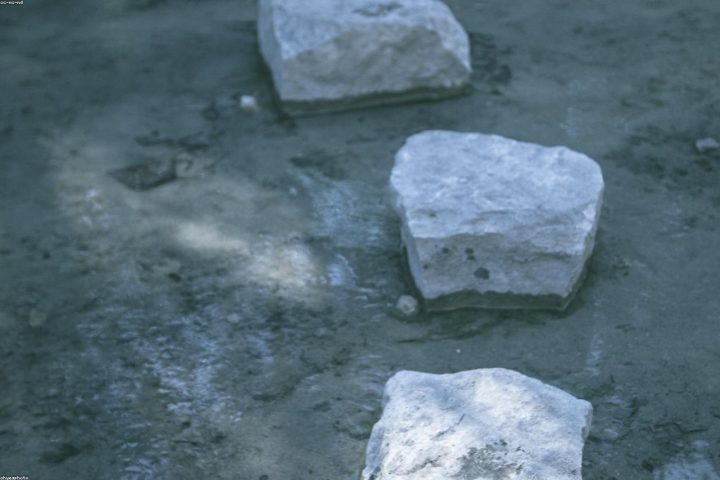
- Place a stack of flat stones or an upturned terracotta pot in one third of the barrel to create a shelf 3 to 4 inches below the surface. Leave the other two thirds at full depth, roughly 16 to 18 inches in a half-barrel.
- Add substrate only to planted pots: heavy clay loam topped with pea gravel. Do not spread gravel across the whole bottom. Bare sections make cleaning easier.
- Install a small solar fountain pump (40 to 80 GPH) or a wired pond pump like the Tetra 100. A quiet trickle is enough. You do not need a fountain plume.
- Plant, then dunk. See the sections below.
- Wait. Give the barrel three weeks before adding any snails or expecting stable water.
Total cost the first time: $110 to $180. Rebuilding an existing one runs closer to $40 in plants and dunks.
Plant it like a pond ecologist would
Three functional groups, one of each, all natives if you can source them:
- Submerged oxygenator: hornwort (Ceratophyllum demersum) or American waterweed (Elodea canadensis). One bunch, weighted, dropped in. This is the single most important plant. It oxygenates and shades the water column.
- Floating leaf plant: a dwarf water lily (Nymphaea ‘Helvola’ stays under 12 inches) or frogbit. Aim for 40 to 60 percent surface coverage. More than that and the water goes anoxic.
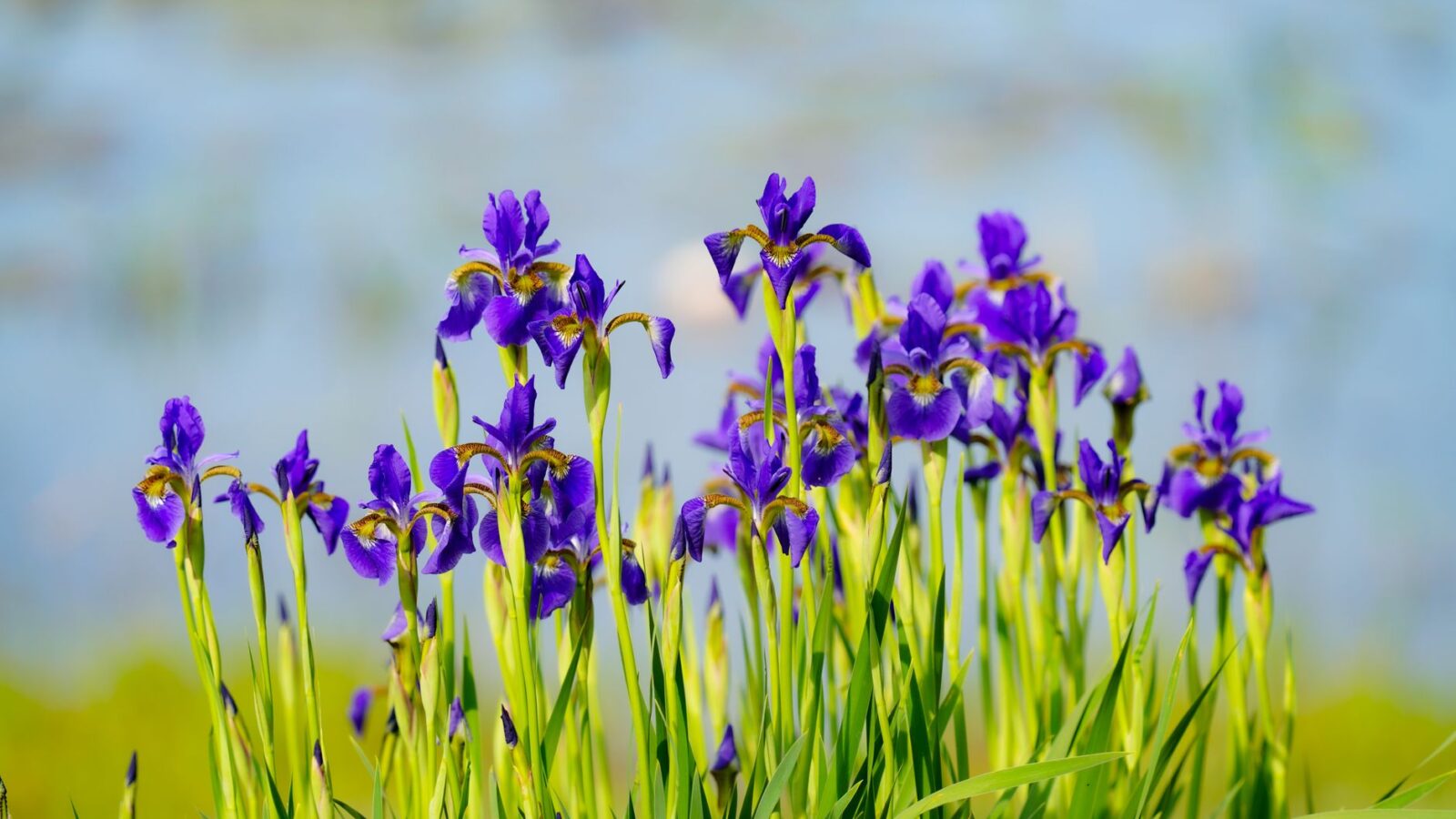
- Emergent marginal: blue flag iris (Iris versicolor), pickerelweed (Pontederia cordata), or a small clump of soft rush (Juncus effusus). Emergents give dragonfly nymphs something to climb out on when they emerge as adults. Without them, no dragonflies, and dragonfly nymphs are the most effective mosquito predator you can host.
Avoid water hyacinth and parrot’s feather. Both are federally regulated invasive plants in parts of the US and prohibited in NC waterways.
The Bti dunk question, straight
Bti is Bacillus thuringiensis subsp. israelensis, a soil bacterium whose spores kill mosquito and blackfly larvae specifically. The US EPA classifies it as reduced-risk and safe for birds, mammals, bees, and fish at label doses. It does not kill dragonfly nymphs, damselfly nymphs, or beneficial aquatic beetles.
Buy Summit Mosquito Dunks or the smaller Bits, break a dunk into quarters for a half-barrel, and drop one quarter in at the start of the month. One quarter lasts about 30 days. A six-pack runs around $10 and will treat a barrel for six months. See the US EPA overview of Bti if you want to read the safety data directly.
Do not substitute methoprene or oil-based larvicides in a wildlife feature. Both kill non-target insects.
The five failure modes and how to spot them
| What you see | What it means | Fix |
|---|---|---|
| Wrigglers at the surface | Bti has expired or was skipped | Add a fresh quarter dunk. Wrigglers die within 24 hours. |
| Bright green pea-soup water | Too much sun, not enough shading plants | Add floating cover, move to partial shade, do a 50 percent water change. |
| Stringy filament algae | Excess nutrients, usually from fallen leaves | Twist it out with a stick weekly, add more hornwort, stop feeding any fish. |
| Barrel dropping an inch a day | Normal evaporation in summer, but faster suggests a liner leak | Top up with rainwater. Inspect the liner if loss exceeds 1 inch daily. |
| Dead bird or chipmunk in the water | No escape ramp | Add a rough branch or sloped stone from the waterline to the rim, immediately. |
The escape ramp is the detail people skip. A vertical-walled water feature drowns wildlife the same way a swimming pool does. A single fallen oak branch propped from the water up over the rim will do it.
Weekly and monthly rhythm
Weekly, two minutes: look for wrigglers, pull leaves off the surface, top up with rainwater from a nearby collection barrel.
Monthly, ten minutes: replace the Bti quarter, thin out overgrown hornwort, wipe the pump intake screen. The Xerces Society keeps a useful reference on pollinator conservation resources if you want to add a shallow bee-drinking dish nearby as a companion feature.
Annually, in early spring: drain 80 percent of the water, scoop settled muck from the bottom with a cup, refill, and divide the emergents if they have outgrown their pots. Do this before frogs and dragonflies lay eggs, which here is usually mid-March.
What starts showing up, and when
In my zone 7a beds the sequence is fairly consistent:
- Week 2: water striders, midges, and the first honeybees drinking at the shallow edge.
- Week 4 to 6: chickadees, Carolina wrens, and goldfinches bathing in the shallow zone.
- Week 8 to 12: the first dragonflies patrolling. If you see them ovipositing, tapping the surface with the tip of the abdomen, you have won. Their nymphs will eat mosquito larvae faster than you can produce them.
- Second season: green frogs or gray tree frogs, if there is groundcover within 20 feet.
A tiny water feature is not going to give you a resident heron. It will give you at least a dozen bird and insect species inside its first summer, and it will do so without contributing a single mosquito to the neighborhood.
Frequently asked questions
Do I need a pump if I use Bti dunks?
You can skip the pump if you use Bti religiously, but moving water discourages egg-laying in the first place and adds oxygen for plant roots. A $30 solar pump earns its keep. Together the two make failure very unlikely.
Can I put mosquito fish (Gambusia) in a half-barrel?
No. Gambusia are aggressive, invasive in most US waters, and 25 gallons is too small to keep them alive through summer temperature swings. They also outcompete native amphibians. Dragonfly nymphs do the same job with none of those problems.
Will frogs really move in on their own?
Often, yes, if you have moist groundcover, leaf litter, or a woodland edge within 20 to 30 feet. Do not translocate frogs from elsewhere. You can spread ranavirus and chytrid fungus that way. Let them find it.
How do I keep it from freezing solid in winter?
In zone 7a a half-barrel forms surface ice but rarely freezes through. Float a length of pool noodle or a rubber ball on the surface to keep an ice-free gas exchange hole open. Do not smash the ice. The pressure wave concussively kills anything overwintering below.
Is it safe around toddlers?
A 16-inch-deep barrel is a drowning risk for a child under 5. Cover with heavy-duty stainless mesh at the rim, secured with bungee cords, until the child is older. Wildlife will still use the barrel through the mesh.
Further reading
Trusted references we consulted while researching this piece. All external.