Annual flowers (petunias, impatiens, marigolds) are the standard way most gardens add color. They are also the most expensive, highest-maintenance, and least sustainable option. Each year you buy new plants, water them constantly, deadhead through the season, and pull them all out at frost.
A garden designed around perennials, shrubs, and bulbs delivers continuous color through every season, comes back better each year, and requires a fraction of the maintenance. The setup takes one good planning year. After that, the garden largely takes care of itself. This is the approach we have used in our front beds.
The principle of season-spanning bloom
The trick to year-round color from perennials is choosing plants that bloom in different windows. If you select carefully, you can have something flowering or visually interesting in every month from February through November, plus structural and color interest through winter.
The mistake most beginner perennial gardens make is bunching too much bloom into June and early July (the easy months) and having little or nothing through August, September, October, March, or April. A well-distributed bloom calendar fixes this.
The month-by-month color plan
For a typical zone 5-7 garden, the following plants provide color in each month.
- February-March: hellebores (Lenten rose), snowdrops, crocus, winter aconite
- April: daffodils, tulips, virginia bluebells, native columbine, redbud (tree)
- May: peony, iris, baptisia, bleeding heart, late tulips
- June: catmint, salvia, oriental poppy, early daylilies, early phlox
- July: echinacea, rudbeckia, bee balm, lilies, hydrangea
- August: sedum (starts), japanese anemone, late phlox, gaillardia, late catmint after shearing
- September: sedum (peaks), japanese anemone, asters, goldenrod, autumn-blooming clematis
- October: aster, late goldenrod, autumn foliage on many shrubs and grasses
- November-December: ornamental grasses (gold-copper), evergreen shrubs, berry-producing shrubs, seedheads
- January: evergreens, winter berries, bark color (red dogwood, paperbark maple), persistent seed heads
The four-season backbone plants
Certain plants contribute to multiple seasons through long bloom periods or interesting foliage and structure. These are the most efficient choices for limited bed space.
Hellebores: bloom in late winter (often through snow), evergreen foliage through summer, attractive seedheads in autumn. Four-season contributor.
Sedum (the “Autumn Joy” type): emerges with rosette foliage in spring, develops dome-shaped flower buds in midsummer, blooms pink in late summer, fades to rust through autumn, holds the rust-colored seedheads through winter. Three-plus seasons.
Ornamental grasses: green or blue foliage all summer, dramatic seedheads in autumn, copper-gold winter color, structure through every season.
Evergreen shrubs (boxwood, dwarf conifers): year-round structure and color when most other plants are bare.
Hydrangea (some types): summer bloom, attractive dried flower heads through winter (especially the “Limelight” or “PeeGee” types).
Bulbs as the seasonal extenders
Spring-blooming bulbs are the most efficient way to add color to a perennial bed. They emerge before perennials, bloom early, and die back as the perennials fill out, occupying no visible space later in the year.
Plant a layered bulb sequence for continuous spring color: crocus and snowdrops in February-March, early daffodils in late March, mid-season daffodils and early tulips in April, late tulips in May. With this sequence, you have continuous bulb color from February through May before the perennials take over.
Plant bulbs in autumn (October-November in northern climates). Plant in clusters of 5-7 of the same variety rather than singly; clusters look intentional, singles look accidental.
For autumn-blooming bulbs (less common but worth considering): autumn crocus (Colchicum), fall-blooming sternbergia, autumn-blooming clematis vines.
Foliage color as continuous interest
Many perennials have interesting foliage that provides color even when the plant is not in bloom. Including foliage-colored plants extends visual interest dramatically.
- Silver foliage: lamb’s ear, lambs ears, certain artemisia, dusty miller (annual but worth it)
- Chartreuse/golden foliage: certain hostas (Gold Standard), heuchera (Citronelle, Lime Marmalade)
- Burgundy/purple foliage: heuchera (Palace Purple, Obsidian), ninebark (Diabolo)
- Blue foliage: hostas (Halcyon, Blue Mouse Ears), blue oat grass, sea kale
- Variegated foliage: hosta varieties, brunnera “Jack Frost”, heuchera, certain euonymus
A 12-month color bed design
For a 6-by-12-foot perennial bed designed for year-round interest:
Underplanted with a bulb sequence (snowdrops, crocus, daffodils, tulips) scattered throughout.
Spring bloom (May-June): 3 baptisia, 5 catmint along edges.
Summer bloom (June-August): 5 echinacea, 3 rudbeckia, 3 sedum, 5 daylily.
Late summer bloom (August-September): 3 japanese anemone, 3 phlox paniculata, 3 calamintha.
Autumn bloom (September-October): 5 aster, 1 goldenrod (the Fireworks cultivar for size), continued sedum.
Winter interest: 3 ornamental grasses, 1 small evergreen shrub for backbone, 1 berry-producing shrub.
This bed has color or strong interest in every month of the year, including winter, with no annual flowers required.
A garden of perennials, shrubs, and bulbs delivers continuous year-round interest without the seasonal cost and labor of annual flowers. The setup is a single planning year. The reward is decades of self-renewing color that becomes more impressive each season as plants mature. Annuals have their place, but they are not necessary for a beautiful garden.
The hardest months: a tactical look
February and August are the months where most perennial gardens look thinnest. February because winter has ground on long enough that the early bulbs have not yet emerged. August because heat has pushed most spring and early-summer perennials past their peak while autumn perennials are not yet open. Bridging these two windows specifically is what separates a garden with “year-round color” from a garden that has long stretches of nothing.
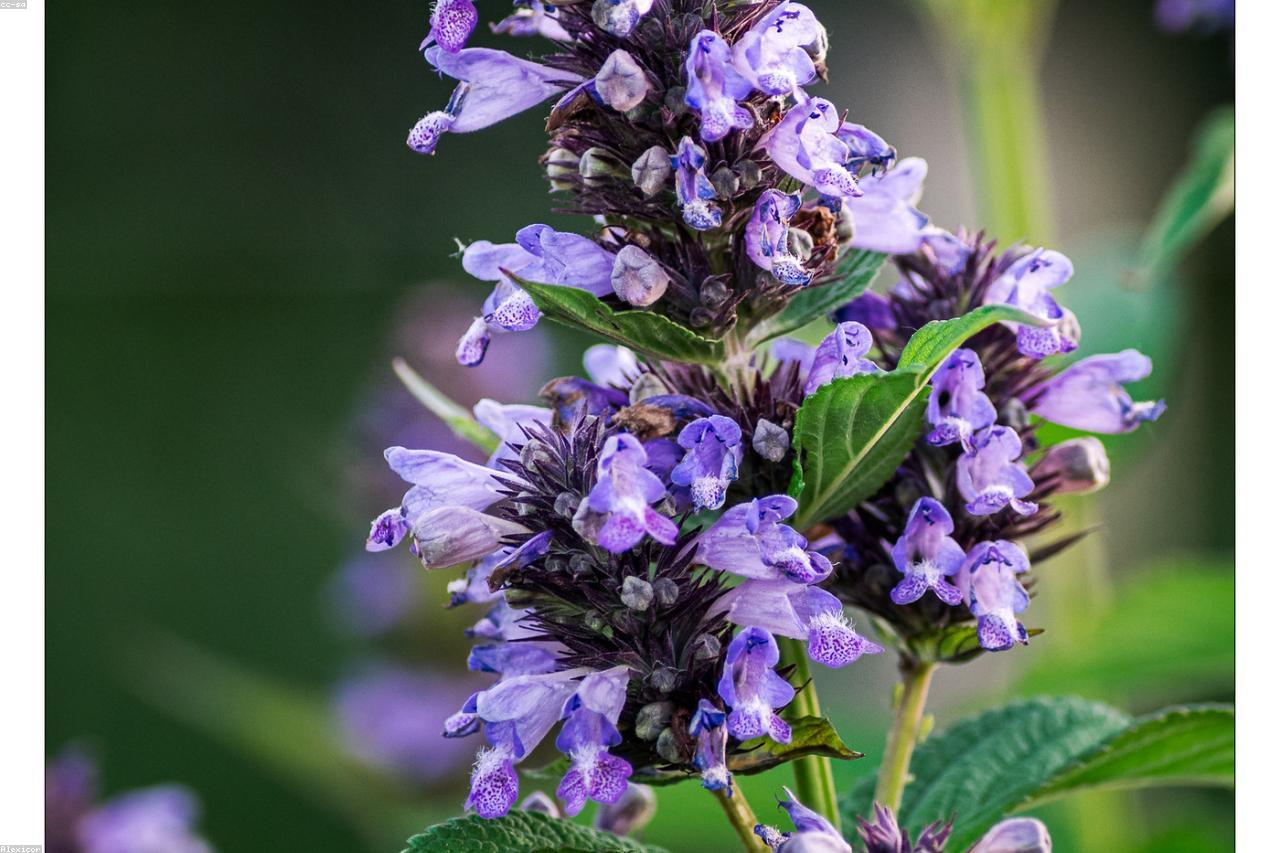
For February, plant hellebores generously. They open in the first warm week of late winter, often through snow, and hold for weeks. Add witch hazel as a small tree for additional February-March bloom. For August, the underused stars are anise hyssop, calamintha nepeta, and the late phlox cultivars bred specifically for August bloom (David, Robert Poore, Jeana).
One more trick we have used: plant late-spring-emerging perennials (hostas, oriental lilies) in front of early-spring bulbs. The bulbs bloom and senesce before the perennials emerge, and the perennial foliage covers the fading bulb leaves naturally. You get extended display in the same square foot of bed.
Related reading from the journal
You might also appreciate Biodiversity-First Gardens: A Practical Beginner Plan, Designing for Birds Without Buying Anything, and Designing a Pollinator Garden That Looks Like a Garden from the journal.
Further reading
Trusted references we consulted while researching this piece. All external.