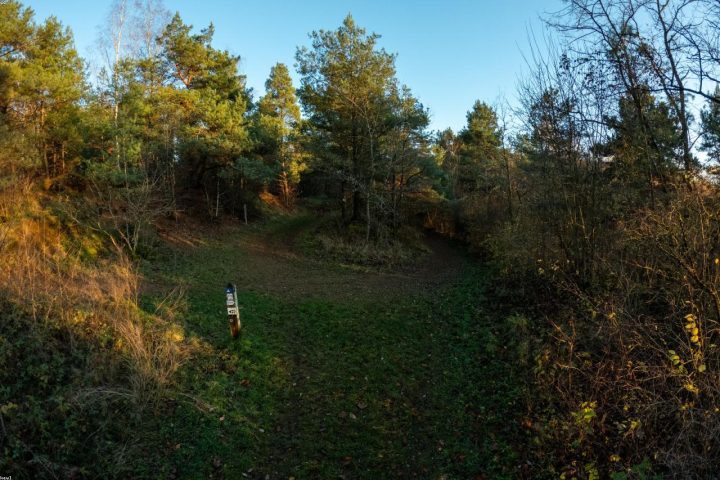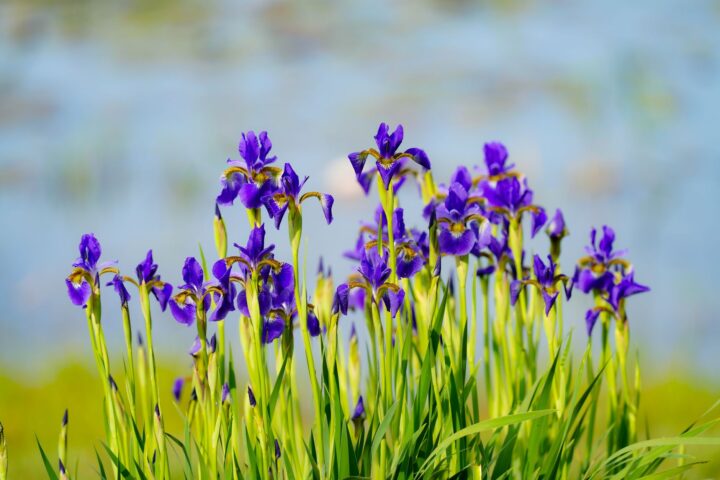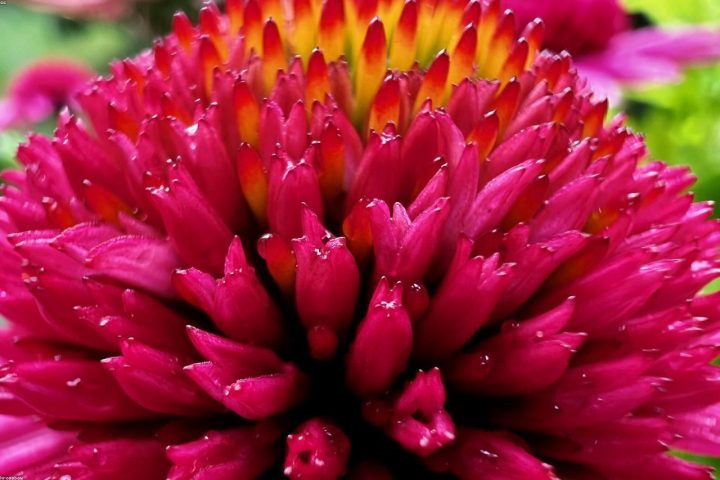
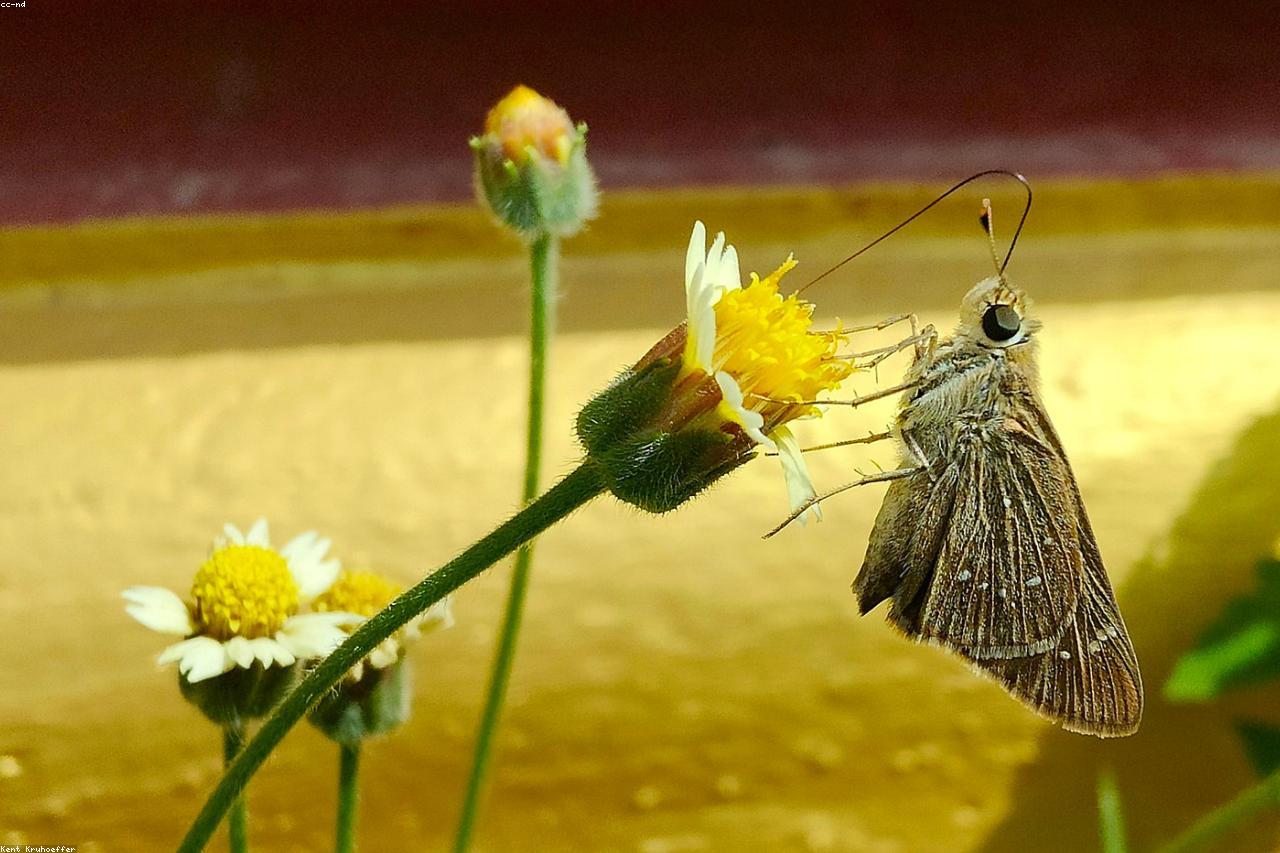
A biodiversity-first garden is not necessarily a wild meadow or an unkempt patch. The most ecologically rich gardens are often the most thoughtfully designed, simply with different priorities than a conventional ornamental garden.
We started thinking about biodiversity in our garden during a slow shift from “what do I want here” to “what would belong here.” The result, a few years in, is a small backyard that hosts more bird, insect, and small mammal activity than gardens many times its size. The principles that guided us are simple and worth sharing.
What biodiversity actually means in a garden
A biodiverse garden supports many different species across many different ecological roles: pollinators, predators, herbivores, decomposers, seed dispersers. A garden full of one kind of plant (a lawn, a hedge of identical shrubs) supports very few species. A garden with a hundred species of plant in interconnected habitats supports thousands of species across the food web.
The leverage from biodiversity is exponential. Each plant species supports a small ecosystem: specific pollinators that visit the flowers, specific insects that eat the leaves, specific birds that eat those insects, specific predators that eat the birds. Removing one plant species often removes a half-dozen other species that depended on it.
The five-layer garden
Healthy ecosystems have layers: ground cover, herbaceous plants, shrubs, small trees, canopy trees. A garden that includes multiple layers supports far more species than one focused on only one or two layers.
- Canopy layer: at least one large tree if space allows (oak, maple, walnut, native dogwood)
- Understory layer: small flowering trees (serviceberry, redbud, dogwood)
- Shrub layer: native shrubs (viburnum, ninebark, elderberry, spicebush)
- Herbaceous layer: perennials, annuals, vegetables, herbs
- Ground cover layer: low-growing plants, fungi, leaf litter, soil life
The native plant emphasis
Native plants are the foundation of biodiversity gardens. Local insects, birds, and pollinators have evolved with native plants over thousands of years; they depend on those specific plants in ways no imported ornamental can replicate.
A research finding worth keeping in mind: a native oak tree in eastern North America supports over 500 species of butterflies and moths. An imported ginkgo, while attractive, supports almost none. The difference in ecological contribution between native and exotic plants is dramatic, even when both look similar at first glance.
Aim for at least 70 percent native species in your plantings. The remaining 30 percent can be carefully chosen non-natives that provide nectar (lavender, catmint) or beauty without becoming invasive.
Design moves that increase biodiversity
Several small design choices increase the biodiversity of any garden significantly.
Leave some “untidy” areas. Pile dead branches in a corner (brush piles host nesting birds, small mammals, and beneficial insects). Leave fallen leaves in beds (overwintering insects and amphibians depend on leaf litter). Allow some bare soil patches for ground-nesting bees.
Include water. Even a small water source (a shallow dish refreshed daily) increases bird, butterfly, and insect visitation dramatically. A larger pond becomes a habitat in itself.
Diversify bloom times. A garden with continuous bloom from March to November supports pollinators throughout their active seasons, not just during peak summer.
Add structural diversity. Plants of different heights, densities, and growth habits create more microhabitats than a uniform-looking garden. Tall grasses, low groundcovers, and shrubs together support different species.
Skip the pesticides. A garden treated with broad-spectrum pesticides (even organic ones) loses much of its insect community, which collapses the food web that depends on those insects. Targeted, minimal intervention is the rule.
A starter biodiversity plan for a typical backyard
For a 400-500 square foot backyard space:
Plant one native tree as a focal point if space allows (a serviceberry, redbud, or small native dogwood). This single tree contributes more biodiversity than dozens of perennials.
Create a perennial bed of 30-40 plants from 8-12 species, mostly native. Include season-spanning bloom (early spring through late autumn), varied flower shapes (open daisies, tubular flowers, flat umbel clusters), and include host plants for caterpillars (milkweed, dill, parsley, native grasses).
Add native shrubs along property edges. Even three shrubs (a viburnum, a ninebark, a spicebush) significantly increase bird habitat. Choose berry-producing varieties for year-round wildlife value.
Designate a small “wild corner”: brush pile, untrimmed plants, leaf litter, bare patches of soil. This single area supports dozens of species that would not visit a tidy garden.
Add water: a shallow dish, birdbath, or small pond. Refresh weekly.
Leave perennial stems standing through winter and cut back only in early spring. The standing stems shelter overwintering insects.
The trade-offs that come with this
A biodiversity-first garden involves trade-offs from a conventional garden aesthetic. Plants get eaten (by caterpillars, eventually becoming butterflies). Some perennial stems look “messy” through winter. Brush piles are not visually formal. The garden does not look like a garden magazine spread.
The compensations are real: birdsong, butterfly activity, the small life that animates a healthy ecosystem, the satisfaction of knowing your small piece of land contributes to broader ecological health. For us, the trade-offs have been overwhelmingly worth it. For others, a hybrid approach (most of the garden conventional, with biodiverse sections) is a comfortable compromise.
A biodiversity-first garden takes a slightly different design approach but delivers something a conventional garden cannot: a small functional ecosystem that supports far more life than its modest size would suggest. Start with one native tree, a perennial bed of mostly native species, a brush pile in the corner, and a shallow water dish. Within two seasons the visiting wildlife will tell you the system is working.
Related reading from the journal
For more along these lines, see Designing for Birds Without Buying Anything, Designing a Pollinator Garden That Looks Like a Garden, and Designing a Shade Garden That Doesn't Feel Like a Compromise.
Further reading
Trusted references we consulted while researching this piece. All external.