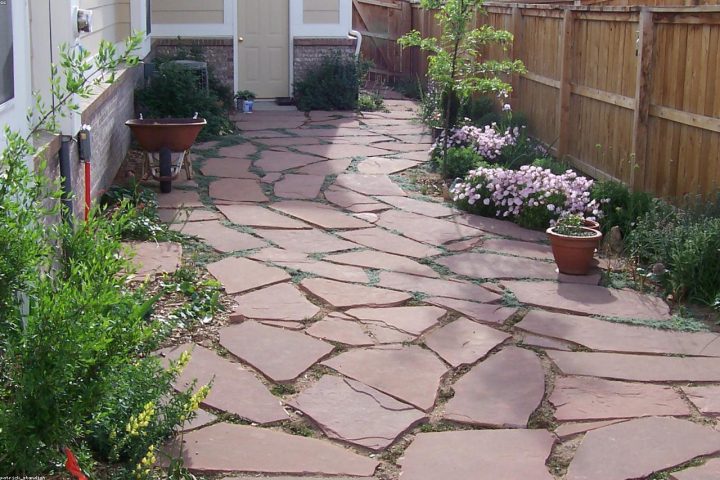
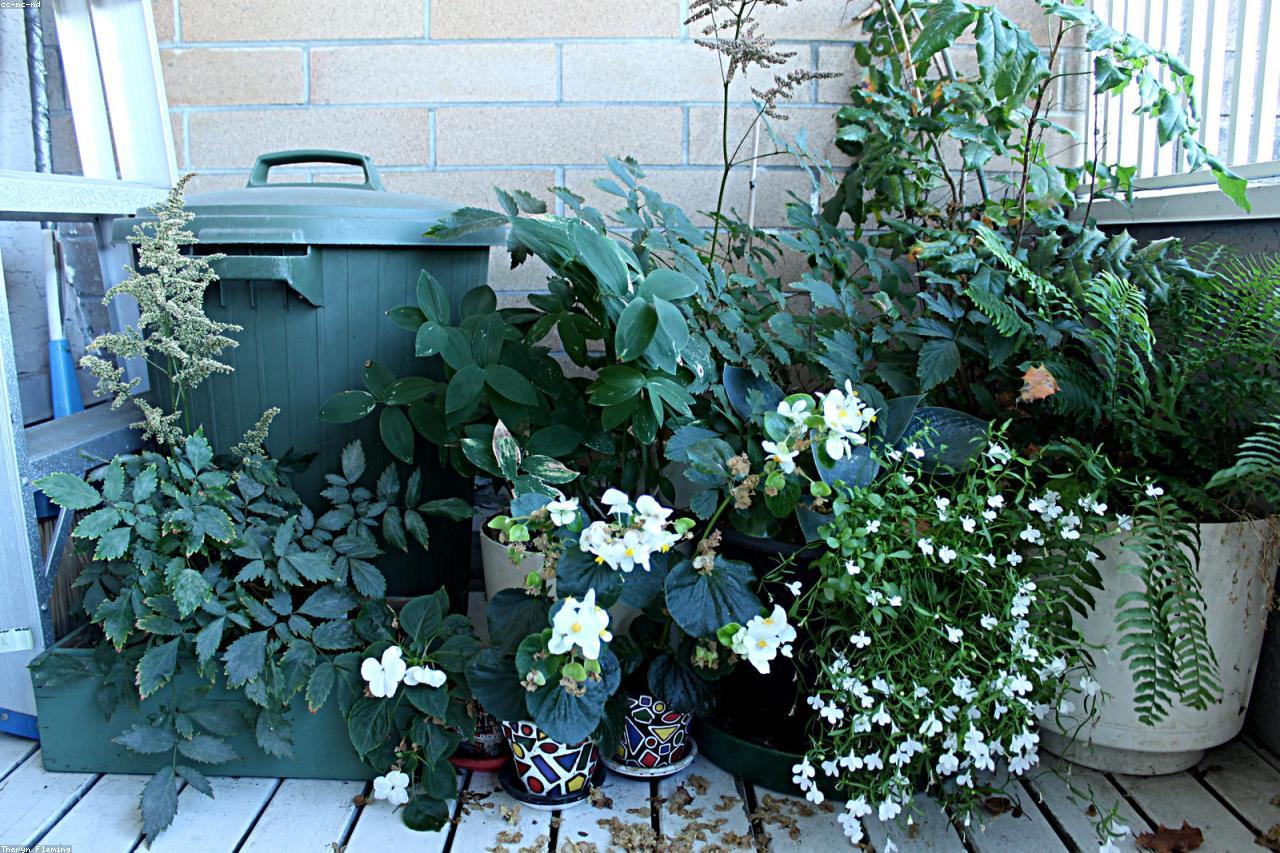
A shade garden is often described as “what to grow when you cannot grow anything else.” This framing does the space a disservice. Some of the most beautiful gardens we have seen are entirely in shade, designed deliberately to take advantage of the cool light, the textural richness, and the slower pace of growth.
Our own garden has a north-side shade bed that started as a problem to solve and has become one of our favorite places to sit. The plants are different from sunny garden plants and the design moves are different, but the result can be as polished as any sunny ornamental border.
Understanding your shade
“Shade” is not a single thing. The shade under a deciduous tree in spring (when leaves are not yet out) is different from the shade under the same tree in July. The shade on the north side of a building is uniform but limited. The shade beneath conifers is dense and dry.
- Dappled shade: moving spots of light through the canopy, like under a high deciduous tree. The most plant-friendly type.
- Partial shade: 3-6 hours of direct sun, often morning sun with afternoon shade
- Light shade: bright but indirect light, no direct sun, like the north side of a building with open sky above
- Deep shade: consistently dim light, like dense conifer understory or narrow alleys between buildings
The design principle that changes everything
Sunny garden design relies on flowers for visual interest. Shade garden design relies on foliage. Once you internalize this shift, shade gardens become wildly easier to design.
In a shade garden, the leaves are the show. Contrast textures (large-leaved hostas against fine-leaved ferns), play with shapes (heart-shaped versus strappy versus deeply cut), vary colors (lime green hostas against burgundy heucheras, silver brunnera against blue oat grass). The result is a garden that holds visual interest from spring through autumn without relying on a parade of flowers.
The plant categories that build a shade garden
Five categories of plant make up almost any shade garden worth visiting.
The textural anchors: hostas, ferns, brunnera, lungwort. These large-leaved or finely-textured plants form the foundation. Plant in generous groups; a single hosta looks lonely, a drift of five looks designed.
The accent foliage: heuchera (coral bells), tiarella (foamflower), japanese painted fern, hakonechloa (japanese forest grass). These provide unusual color and finer texture as counterpoints to the anchors.
The spring ephemerals: bleeding heart, virginia bluebells, trillium, woodland phlox, native columbine. These bloom in early spring before the canopy fills in, then go dormant. Pair them with hostas (which are slow to emerge) so the bed has continuous coverage.
The flowering perennials: astilbe, japanese anemone, bugbane (cimicifuga), and toad lily extend the bloom season through summer and into autumn.
The structural shrubs: hydrangea, oakleaf hydrangea, japanese maple, viburnum, and native shrubs like elderberry provide vertical structure that gives the garden permanent presence.
A starter design for a 6-by-12 shade bed
For a typical north-side or under-tree shade bed:
- Background: 1 small Japanese maple or oakleaf hydrangea as a focal point
- Behind: 3 ferns (christmas, autumn, japanese painted) in a loose cluster
- Middle: 5 hostas of varying sizes and colors, planted in two groupings
- Middle accent: 3 heucheras for color contrast
- Front: a drift of foamflower or pulmonaria
- Spring ephemeral: a few clumps of bleeding heart or virginia bluebells tucked in for spring color
- Underplanting: a sweep of native woodland phlox or sweet woodruff as groundcover
The dry shade problem
The hardest shade situation is dry shade, typically found under mature trees with extensive shallow roots that compete with garden plants for water. Many standard shade plants struggle here because they want consistently moist soil that the tree roots have already claimed.
Specific plants tolerate dry shade well: epimedium, lungwort (pulmonaria), Solomon’s seal, christmas fern, sweet woodruff, hellebores, hosta sieboldiana, lily-of-the-valley. Build dry-shade beds around these and the watering challenge becomes manageable.
Also consider the soil intervention: add 4-6 inches of compost across the bed annually, applied as a top dressing on top of the tree roots. Over a few seasons, this builds enough new topsoil that plants can grow above the worst of the root competition.
Color in the shade garden
Conventional flower color does not show up well in dim light. Bright reds and dark blues disappear into shadow. Pinks and yellows can read as muddy.
The colors that work in shade are white, pale yellow, soft blue, and any silver or chartreuse foliage. White flowers (astilbe, white bleeding heart, japanese anemone) glow at dusk. Silver foliage (lungwort, japanese painted fern, dichondra) reflects what light there is. Chartreuse foliage (hostas, hakonechloa, golden ferns) brightens the entire bed.
A shade bed designed with these color principles looks luminous rather than gloomy. The traditional shade garden palette is for good reason.
The pleasure of shade gardens
A well-designed shade garden offers something most sunny gardens cannot: a place to be comfortably outdoors in summer afternoons without escaping the heat. The bed itself functions as a destination. Add a small bench, a pleasant gravel path, perhaps a small water feature, and you have a garden room that feels like a respite.
Many of the most peaceful gardens we know are shade gardens for exactly this reason. The plants are quiet, the light is gentle, the temperature is bearable, and the whole space invites a slower kind of attention.
A shade garden is not a fallback. It is its own kind of garden, with its own design language and its own pleasures. Choose textures and foliage as your primary palette, use the season-shifting perennials to layer interest, and let the cool quiet beauty develop. By the third year your shade bed will be the place you want to sit on hot afternoons.
Related reading from the journal
For more along these lines, see Edge Plants That Make a Tidy Border Without Mowing, How to Plan a Garden That Looks Beautiful in November, and Garden Paths That Work With Wet Soil.
Further reading
Trusted references we consulted while researching this piece. All external.