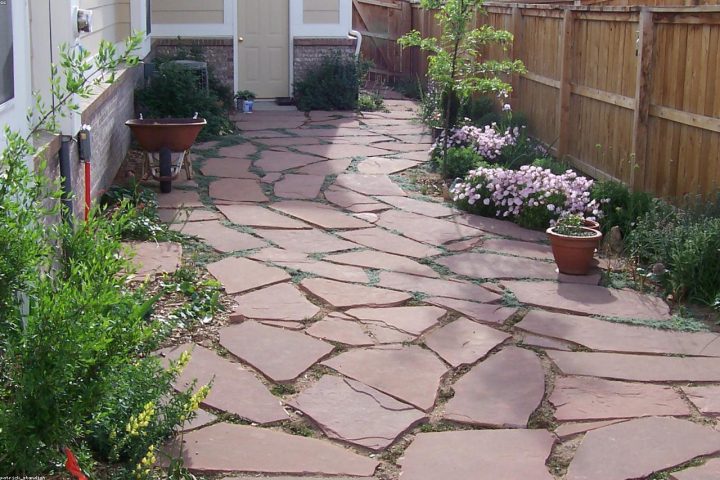

A rain garden is a slightly recessed planted area that catches and absorbs runoff from roofs, paved areas, or other surfaces during rain events. The water collects briefly, soaks into the soil through the plant roots, and disappears within a day or two. The garden itself becomes a beautiful, biodiverse, slightly wet ecosystem that supports many more species than the lawn it replaced.
We built a small rain garden at the corner of our property where roof runoff had been gradually eroding the lawn for years. Within two seasons, the erosion stopped, the bed became densely planted with native species, and the area now attracts a constant procession of birds and butterflies. The design was simpler than we expected.
What a rain garden actually does
A rain garden has three jobs. It captures runoff that would otherwise flow into storm drains or erode property. It absorbs that water through the soil rather than letting it pool. And it provides habitat for the plants and pollinators that need both occasional water and dry stretches.
The garden is not a pond. It is a temporarily wet planted area that drains within 24-48 hours of a rain event. During dry stretches, it functions like any other perennial bed. The plants chosen for rain gardens tolerate both occasional flooding and extended dry periods.
Sizing for a typical suburban yard
A rain garden should capture a meaningful fraction of the runoff from its source area. The general guideline is that the garden should be roughly 20-30 percent of the area generating the runoff. For a 1,000 square foot section of roof, a 200-300 square foot rain garden is appropriate.
For most suburban yards, a 100-200 square foot rain garden handles roof runoff from a typical-sized area. The shape is usually elongated (twice as long as wide) to maximize capture along the contour of the slope.
The depth varies by soil. In well-draining soil, a 6-inch depression is enough. In clay soil, you may need to dig 12-18 inches deep and replace the bottom layer with a sand-compost mix to ensure adequate drainage. Always test your soil drainage first; rain gardens in poorly draining soil become standing-water problems.
The simple drainage test
Before designing a rain garden, test the drainage at your intended location. Dig a hole one foot deep. Fill it with water. Let it drain. Refill and time how long the second filling takes to drain.
- Drains in under 12 hours: excellent drainage; standard rain garden works well
- Drains in 12-24 hours: acceptable; design with a slightly larger garden to compensate
- Drains in 24-48 hours: marginal; consider amending soil with sand and compost
- Takes more than 48 hours: not suitable; choose a different location or different solution (such as a dry well or French drain)
Designing the basin
The rain garden basin is essentially a shallow bowl with sloped sides. Excavate the area to your chosen depth, with the deepest point in the center and gradual slopes to the edges (a ratio of about 4:1 horizontal to vertical works well; for a 12-inch depth, the basin should extend 4 feet from the deepest point to the edge).
Direct water from the source to the rain garden. For roof runoff, the simplest method is a swale (shallow trench) leading from the downspout to the garden. Line the swale with rocks to prevent erosion. For larger volumes, a buried PVC pipe from the downspout to the garden works.
Include an overflow at the lowest edge of the garden. During very heavy rains, excess water needs to leave the garden without flooding adjacent areas. The overflow can be a simple shallow channel leading away from the house.
Plant selection
Rain garden plants must tolerate both wet feet during rain events and dry stretches between rains. Most are native wetland-edge species that handle this fluctuation naturally.
- Central wet zone (deepest part): joe pye weed, sedge species, blue flag iris, swamp milkweed, cardinal flower, bee balm
- Middle zone: echinacea, black-eyed Susan, ironweed, switchgrass, little bluestem
- Outer edge: standard perennials that tolerate occasional flooding: yarrow, monarda, baptisia
- Shrub options: shrubby dogwood (Cornus sericea), spicebush, summersweet (Clethra), ninebark
A starter planting plan
For a 150 square foot rain garden:
Center (highest moisture): 3 swamp milkweed, 3 joe pye weed, 5 cardinal flower, a drift of native sedge as ground cover.
Middle zone: 7 black-eyed Susan, 5 little bluestem, 3 ironweed.
Outer edge: a mixed border of yarrow, echinacea, and one or two shrubby dogwoods at the back.
Underplanting: a sweep of wild ginger or pennsylvania sedge for ground cover.
Plant in autumn for spring establishment. Mulch heavily (3-4 inches) with shredded leaves or wood chips. Water deeply for the first growing season, then significantly less as the plants establish.
Maintenance over time
Mature rain gardens need very little maintenance. The annual routine:
- Spring: cut back perennials, top up mulch, check for any erosion at the inlet or overflow
- Summer: minimal maintenance beyond occasional weeding; water deeply during droughts in establishment years
- Autumn: leave perennials standing for winter wildlife; clean any debris from inlet swales
- After heavy rains: check that water is draining as expected; clear any clogs from inlet or overflow
When a rain garden is not the right tool
Some situations call for different solutions. Very steep slopes with significant runoff need professional engineering (a French drain or rock-armored channel). Properties with persistent groundwater issues need broader drainage solutions, not just a rain garden. And exceptionally large impervious areas (typical of commercial properties) may need multiple rain gardens or alternative bioretention systems.
For most suburban backyards with a single downspout or a paved area generating runoff, a rain garden is the right tool. It captures the water, it supports a small ecosystem, and it transforms a problem area into something beautiful.
A rain garden in a typical suburban yard is one of the most quietly satisfying garden projects. It solves a drainage problem, replaces lawn with habitat, and provides several seasons of bloom and bird activity. The build takes a weekend; the benefits compound over many years. We wish we had built ours sooner.
Related reading from the journal
For more along these lines, see Replacing Lawn With Something Worth Looking At, A Small-Garden Tree Planting Plan (Six Options), and Vertical Gardens on Real Apartment Walls.
Further reading
Trusted references we consulted while researching this piece. All external.