A clean garden edge is one of those small things that elevates an entire garden. The eye reads tidy edges as “designed” and forgives a great deal of looseness in the middle of beds. The trouble is that conventional edging requires regular trimming with shears or a string trimmer to maintain its lines.
A better approach uses low-growing plants that hold their own edges naturally. These plants stay where you plant them, form clean lines, and require essentially zero ongoing maintenance to keep tidy. We have shifted nearly all our garden edges to this approach over the last few years; the visual benefit is real and the time savings are significant.
The plants that work for this
Several characteristics define a good edge plant: low growth (typically under 12 inches), tight clumping or spreading habit, attractive foliage throughout the growing season, and resistance to walking-induced damage. Below are eight plants we have used for borders.
- Creeping thyme (Thymus serpyllum): 2-4 inches tall, dense mat-forming, drought-tolerant, summer bloom. Tolerates light foot traffic.
- Catmint (Nepeta x faassenii “Walker’s Low”): 12-18 inches, spreading clump, blue summer bloom, very long blooming.
- Lamb’s ear (Stachys byzantina): 6-10 inches, silver fuzzy foliage, drought-tolerant, distinctive texture.
- Pennsylvania sedge (Carex pensylvanica): 6-8 inches, native, fine grassy texture, shade-tolerant.
- Creeping sedum (Sedum spurium, S. acre): 2-4 inches, succulent foliage, drought-tolerant, multiple color options.
- Hardy geranium “Rozanne”: 12-18 inches, long-blooming blue flowers, semi-evergreen.
- Heuchera (coral bells): 8-12 inches, year-round colored foliage, part shade preferred.
- Dwarf fountain grass (Pennisetum alopecuroides “Hameln”): 18-24 inches, fine texture, autumn seed heads.
How to use them for clean lines
Plant a single species along the edge in a continuous line, spaced at the recommended distance for tight growth. The plants will grow together into a continuous low band. This produces a defined edge that reads as a deliberate line.
Avoid mixing multiple species along a single edge unless you want a meadow effect. Mixed-species edges look less designed and are harder to maintain because different plants have different growth rates and shapes.
The plants spread by a few inches each year through normal growth. Once they reach the path or bed line you want, they need either occasional trimming (once a year is usually enough) or selective removal of plants that have spread into the wrong area.
Edge plants by garden type
Different garden situations call for different edge choices.
Sunny perennial beds: catmint, lamb’s ear, creeping sedum, dwarf fountain grass. These tolerate the sun and dry soil of bed edges well.
Shade beds: pennsylvania sedge, hardy geranium, heuchera. These tolerate the lower light and often higher moisture of shade situations.
Vegetable garden borders: creeping thyme is the classic. It defines the bed edge, attracts pollinators, and provides culinary thyme as a bonus.
Lawn-to-bed transitions: lamb’s ear or creeping sedum work well. The dense low growth prevents lawn from invading the bed.
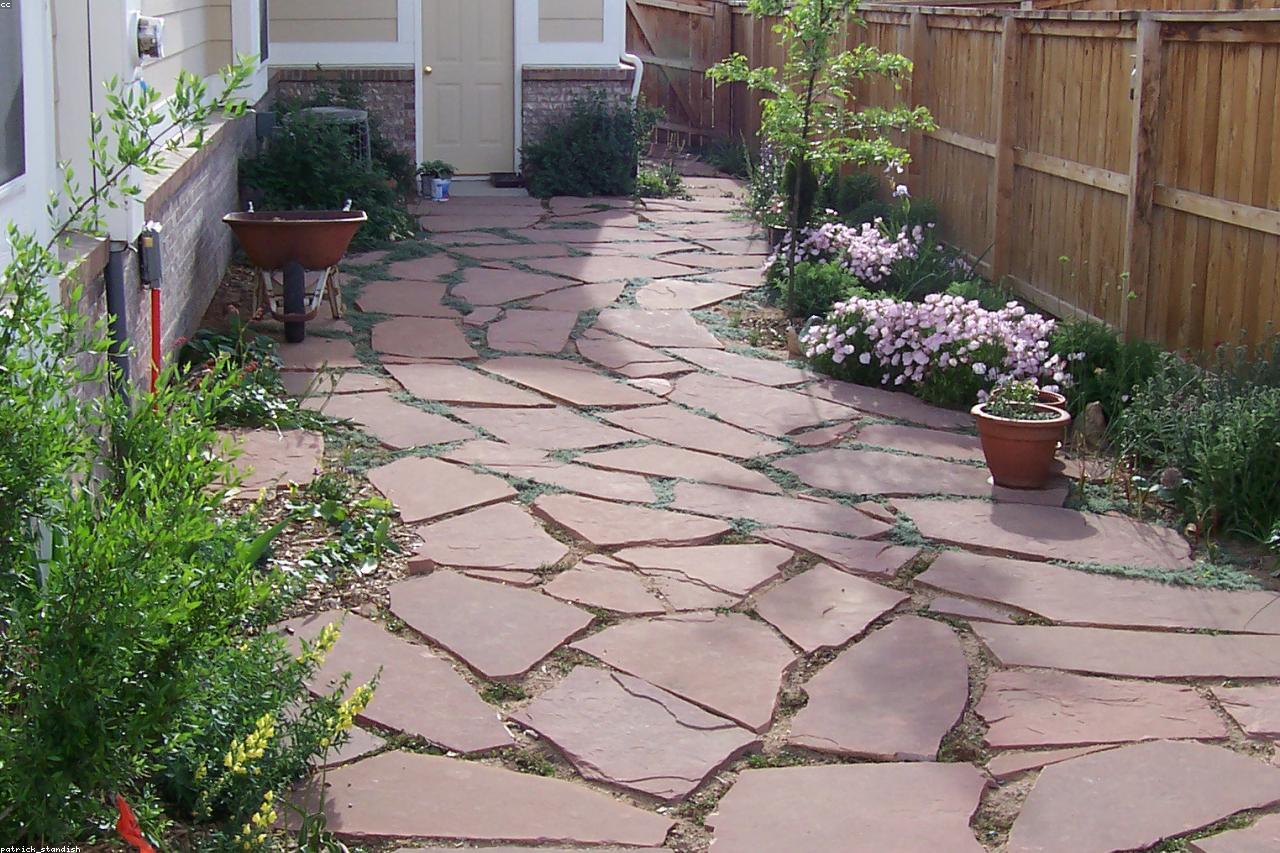
Path borders: creeping thyme tolerates light foot traffic better than most edge plants. Pennsylvania sedge in shade.
Edging hardware (when plants alone are not enough)
For some situations, a small amount of hardware combined with edge plants gives the cleanest result. The most useful version is a buried steel or aluminum edging strip (sometimes called “lawn edging”) that prevents grass from invading the bed.
Install the edging at the line between bed and lawn, buried so the top edge is flush with the soil. Plant the edge plants 6-8 inches into the bed from the edging line. The hardware prevents grass invasion; the plants provide the visual edge.
Avoid plastic landscape edging, which warps and looks cheap within a season. Steel or aluminum lasts decades and remains invisible underground.
Maintenance over the year
An edge plant border requires roughly the following annual care.
- Spring: light cleanup of any winter damage, remove fallen leaves from on top of plants
- Summer: almost nothing; occasional trim if catmint or geranium becomes leggy
- Autumn: light shearing of catmint and lamb’s ear to tidy; leave grasses and others standing for winter interest
- Winter: nothing required
Combining with broader bed design
Edge plants are not the entire bed; they are the frame. Plan the bed interior independently: tall plants at the back, mid-height in the middle, edge plants at the front. The edge plants tie the design together visually and create the clean line that makes the rest of the bed look intentional.
A common combination we use: a catmint edge along the front of a perennial bed, with echinacea and grasses in the middle, and a few taller plants (joe pye weed, ironweed) at the back. The catmint provides a 12-inch tall front-edge anchor that frames the looser planting behind it.
A clean garden edge is one of the highest-leverage visual choices in any landscape. Choosing the right edge plants once, planting them at the right spacing, and letting them establish creates a defined garden line that requires essentially no ongoing maintenance. The investment is a single afternoon; the visual return is years of polished borders without the trimmer.
The hidden cost of perfect edges
Perfectly trimmed garden edges look magazine-ready but require constant attention. The relentless straightness of professionally maintained landscapes hides hours of weekly trimming that most home gardeners do not have time for. A naturally soft edge of well-chosen plants achieves a different but equally polished look with a fraction of the labor.
The aesthetic difference is real but worth understanding. A rigid steel-edged border with frequently trimmed plants reads as formal landscape. A softer edge of catmint or lamb’s ear reads as cottage garden. Neither is better; they suit different settings. Match the edging style to the house and surroundings.
For homes in semi-rural settings or with informal architecture, the natural plant edge feels more appropriate. For formal urban landscapes or properties with strict aesthetic standards, the harder edge may be necessary. We use natural plant edges everywhere on our property because the look matches the surrounding meadow and woodland; in a downtown townhouse setting we would probably use crisper materials.
The maintenance comparison: a 60-foot natural edge needs perhaps one hour per year of editing. A 60-foot trimmed formal edge needs roughly that much per month during the growing season. The trade-off is real.
Related reading from the journal
For more along these lines, see How to Plan a Garden That Looks Beautiful in November, Garden Paths That Work With Wet Soil, and Hedgerows for Small Properties: A Forgotten Idea Worth Revisiting.
Further reading
Trusted references we consulted while researching this piece. All external.