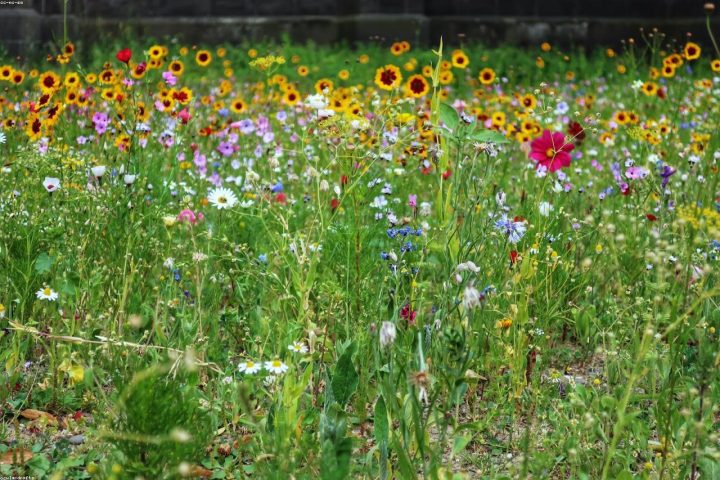
A pollinator garden does not have to look like an overgrown meadow that wandered onto your property. Some of the most effective pollinator habitats are also genuinely beautiful garden spaces, designed with the same care as any ornamental bed. They simply make different plant choices.
We started shifting our front beds toward pollinator-friendly planting in year three of our garden, mostly by accident; we kept noticing which plants drew the most bee activity and gradually pulled out the ones that did not. Five years later, the front garden hosts visible bee and butterfly activity from April through October and looks more intentional than it ever did before.
What pollinators actually need
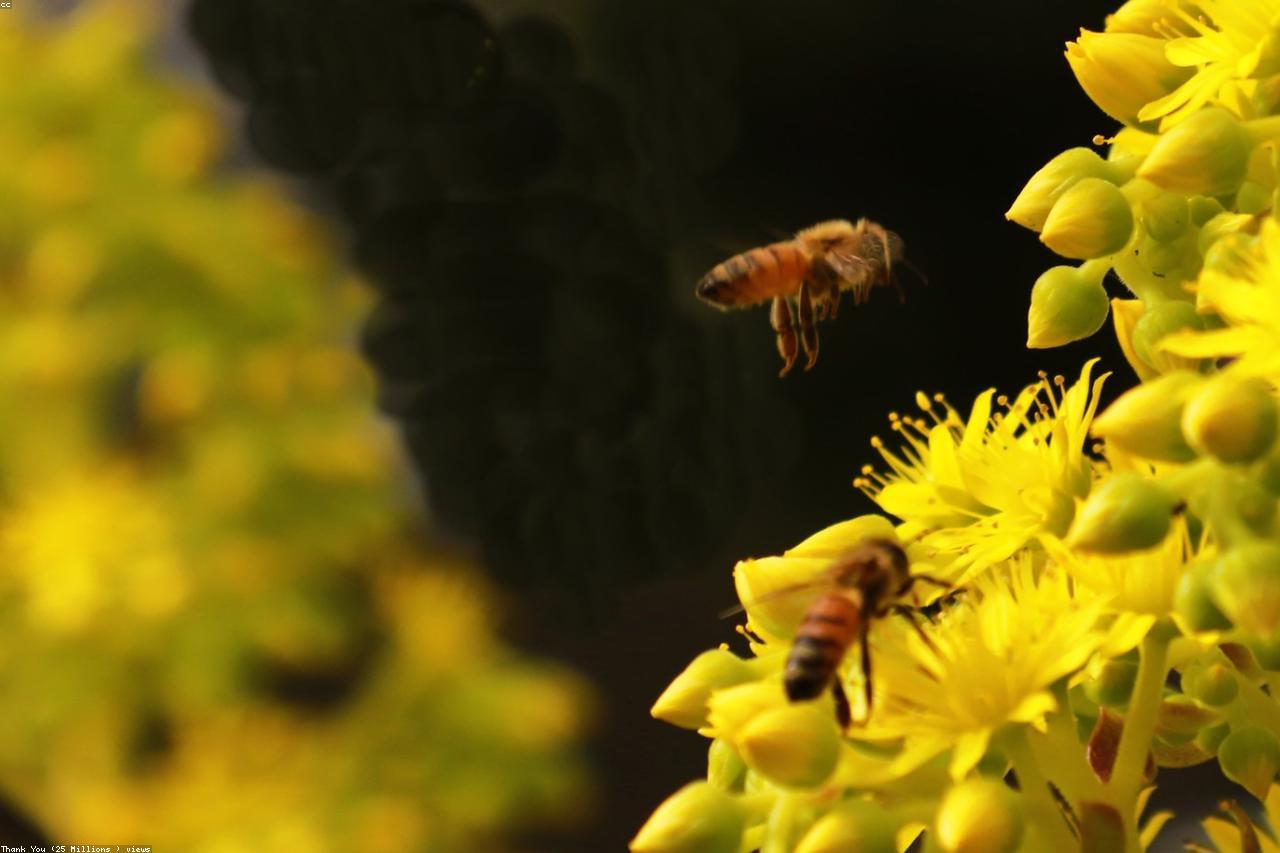
Three things determine whether a garden supports pollinators well. Nectar and pollen sources across the entire growing season, not just June and July. Host plants for caterpillars (different from nectar plants for adults). Shelter and nesting sites where insects can complete their life cycles.
Most pollinator garden articles cover the first item and skip the other two. The result is a flower-heavy garden that feeds adult bees and butterflies but does not support reproduction. A complete pollinator garden balances all three needs.
The season-long bloom strategy
The single most important design principle is continuous bloom from early spring to first frost. Pollinators emerge throughout the warm months and a garden with only midsummer bloom leaves them without food in the critical shoulder seasons.
- Early spring (March-April): hellebores, crocuses, snowdrops, lungwort, native willows, redbud
- Late spring (May-June): bee balm, salvia, native columbine, comfrey, baptisia, catmint
- Midsummer (June-July): bee balm continues, echinacea, lavender, milkweed, coreopsis, butterfly bush
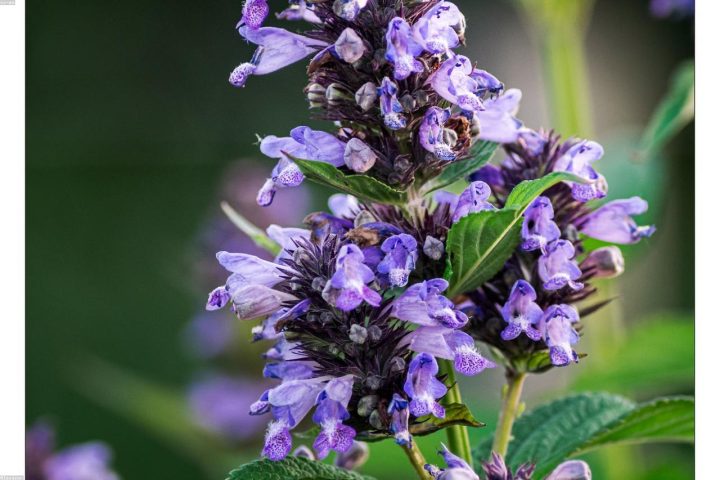
- Late summer (July-August): goldenrod begins, anise hyssop, native sunflowers, sedum, joe pye weed
- Autumn (September-October): goldenrod peaks, asters, sedum continues, late catmint, autumn-blooming clematis
Native versus non-native
This is the most contested question in pollinator gardening. Native plants are often the best support for local pollinator species, particularly specialist bees and butterflies that have evolved with specific plant relationships. Monarch caterpillars require milkweed; certain bee species rely on specific native plants.
However, not every garden plant needs to be native. Well-chosen non-natives (lavender, catmint, salvia, sedum) provide abundant nectar and are not invasive. A reasonable balance is roughly seventy percent native (or naturalized non-invasive) plants and thirty percent thoughtfully chosen non-natives.
The plants to avoid are the showy ornamentals that have been bred to be sterile or to lack accessible nectar. Many modern double-flowered cultivars (double impatiens, certain rose breeds) produce little or no nectar. Look at the flower; if you cannot easily see how a bee would access the center, the plant has limited pollinator value.
Designing the layout for visual coherence
The visual difference between a pollinator garden and a meadow is mostly about repetition and grouping. Plant in drifts of three to seven of the same plant, repeated across the bed. Avoid the temptation to add one of every interesting plant; a garden with twenty species in singles looks chaotic, while a garden with seven species in repeated groupings looks designed.
Within each grouping, vary the heights and bloom times. Tall plants (bee balm, joe pye weed) in the back. Mid-height (echinacea, salvia) in the middle. Low groundcovers (catmint, creeping thyme) at the edges. This creates layers similar to a traditional border but with pollinator-friendly plant selections.
Host plants for caterpillars
Butterfly host plants are a separate category from nectar plants. The adult butterfly may visit your salvia for nectar, but the caterpillar of the same species can only eat specific host plants.
Common host plants worth including: milkweed (monarchs), parsley and dill (swallowtails), violets (fritillaries), native grasses (skippers), oaks (many species, but not practical in a small garden). Even one or two host plants in a garden can support multiple generations of butterflies through a season.
The caterpillars will eat the host plant’s leaves. This is normal and desirable. A milkweed stripped to its stems in late summer has done its job perfectly.
Shelter and nesting
Bumblebees nest in undisturbed grassy areas. Solitary bees nest in dead plant stems, holes in dead wood, or bare patches of soil. Butterflies overwinter as chrysalises or eggs on stems and leaves. Most of these creatures need places that are explicitly not tidy.
Leave a corner of the garden untidy. Let dead perennial stems stand through winter rather than cutting back in autumn. Leave a patch of bare soil somewhere (ground-nesting bees need this). Avoid heavy mulching everywhere; some bare ground is good.
The simplest small intervention is a “bee hotel” or “insect house”: a wooden block with drilled holes of various diameters, mounted in a sheltered south-facing spot. Solitary bees use these for nesting. They are inexpensive, easy to make, and quietly populated within a season.
What to leave out
Several common garden practices are actively harmful to pollinators. Eliminate them from a pollinator-friendly garden.
Broad-spectrum pesticides (including organic ones like spinosad and pyrethrin in some forms) kill beneficial insects along with pests. Use only narrowly targeted methods or no chemical intervention at all.
Neonicotinoid-treated plants from big-box garden centers carry residual pesticide that harms bees for months after planting. Ask whether your nursery treats its stock; local independent nurseries are usually safer than chain stores.
Excessive autumn cleanup removes overwintering insect habitat. Leave perennial stems standing until spring. Skip the leaf-blower cleanup of every leaf. The “messy” winter garden is actually rich habitat.
A pollinator garden can be as beautiful as any traditional border, with the added pleasure of constant motion: bees, butterflies, hover flies, beetles, birds. Once established, it requires no more maintenance than a conventional garden and supports far more life. Start with a small section, plant the season-long bloom sequence, and let it grow into the rest of the yard at its own pace.
Related reading from the journal
Other entries worth your time: Designing a Shade Garden That Doesn't Feel Like a Compromise, Edge Plants That Make a Tidy Border Without Mowing, and How to Plan a Garden That Looks Beautiful in November.
Further reading
Trusted references we consulted while researching this piece. All external.