Conventional home gardening produces remarkable amounts of waste: plastic pots discarded each season, plastic mulch and landscape fabric that takes decades to break down, packaging from chemical fertilizers, and water that runs off into storm drains. None of this is necessary. The shift to low-waste gardening is mostly about small habits compounded over time.
We have been gradually reducing the waste from our garden over the last several years. The biggest changes have been quiet ones: reusing containers, switching to organic mulches, harvesting rainwater, composting in place. None of these are dramatic; together they have eliminated almost all garden-related waste from our household.
Container reuse
The single biggest source of garden waste in most households is plastic pots from purchased seedlings. A typical first-year garden may bring home 20-40 small plastic pots that get discarded at planting.
Several reuse options keep these out of the trash. Save them in a stack for starting your own seedlings next year. Return them to the nursery (many take them back for reuse). Donate to a community garden or school gardening program. Reuse them yourself for plant divisions, root cuttings, and other propagation.
Beyond plastic pots, many other containers work for seed starting and plant propagation. Toilet paper rolls (cut in half, used as biodegradable seed-starting containers). Yogurt cups with drainage holes punched. Egg cartons. Mushroom containers. Each of these would otherwise go to landfill; instead they extend the garden cycle.
Water conservation
Most home gardens use far more water than necessary. Several practical interventions reduce water waste dramatically.
- Mulch heavily. A 3-inch organic mulch layer reduces evaporation by 30-70%, depending on climate. This single change cuts water needs significantly
- Water at soil level. Drip irrigation and soaker hoses deliver water directly to plants without evaporation losses. Save 30-50% over overhead watering
- Collect rainwater. A 55-gallon rain barrel captures hundreds of gallons per year that would otherwise run off to storm drains
- Use gray water selectively. Shower warm-up water collected in a bucket, kitchen rinse water, and similar sources can water ornamental beds
- Water at the right time. Morning watering reduces evaporation losses significantly compared to midday
- Build healthy soil. Soil rich in organic matter holds water dramatically better than depleted soil. Annual compost additions compound over years
Composting at home
A composting routine eliminates food waste, yard waste, and garden waste from the trash stream and converts them to garden inputs. A typical household with composting reduces total trash output by 30-40%.
The compost itself becomes the most valuable garden amendment available. Better than any purchased fertilizer for general soil building. Free instead of $20 per bag.
Start simple: a single open pile in a back corner, or a basic three-bin system. The work is modest (add kitchen scraps with browns to cover, turn occasionally), the output is meaningful, and the waste reduction is substantial.
For households without yard space: a worm bin handles kitchen waste indoors year-round. A bokashi system handles food waste including meat and dairy that traditional compost cannot.
Skip the plastic, choose alternatives
Several common plastic garden products have organic alternatives that work as well or better.
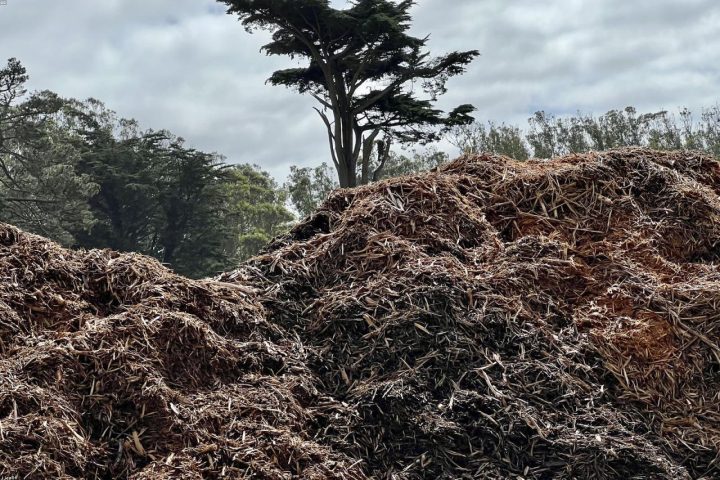
Plastic mulch: organic mulches (straw, wood chips, leaves) work better and improve soil over time.
Landscape fabric: cardboard sheet mulching converts areas more reliably and feeds the soil as it breaks down.
Plastic plant ties: jute twine, cotton string, soft fabric strips all work for tying plants to stakes and trellises.
Plastic plant labels: wooden popsicle sticks, plant markers cut from cardboard or aluminum foil, or simply mapped beds eliminate the need for plastic labels.
Plastic seed flats: wooden flats, biodegradable starter cups (toilet paper rolls, paper pots), or reused plastic flats avoid single-use plastic.
Seed saving and plant propagation
Saving seeds and propagating plants from your own garden eliminates the need to purchase many seeds and seedlings annually. Even a basic seed-saving practice with a few self-pollinating crops (tomatoes, beans, peas, lettuce) supplies most of next year’s planting needs.
Plant division and cutting propagation extend this to perennials. A single hosta divided every 3-4 years provides plants for several other beds. Daylilies, sedums, and many other perennials propagate easily from division.
The financial benefit is real (saved seeds and propagated plants cost essentially nothing) but the waste reduction matters too: each saved seed eliminates one commercial seed packet from the next year’s waste stream.
Tool care and repair
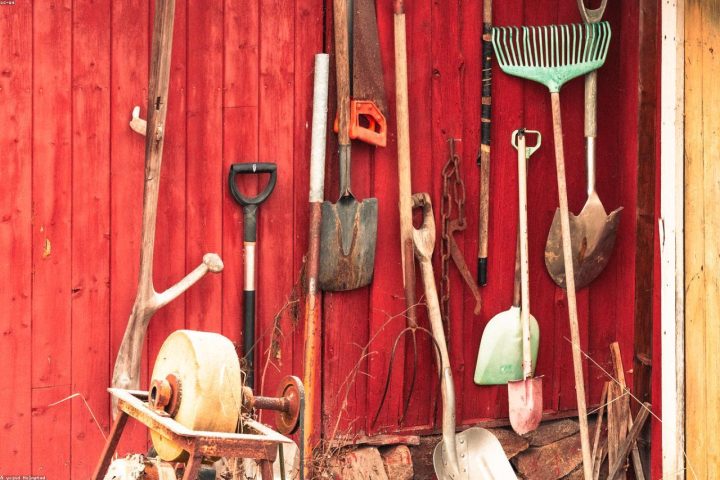
Garden tool replacement is a significant source of waste in many households. A cheap hand trowel that lasts one season ends up in landfills; the replacement starts the cycle again.
Quality tools with basic care last for decades. A quality hand trowel, kept clean and stored properly, will outlast many cheaper replacements. Tool repair (sharpening blades, replacing handles, oiling moving parts) extends life further.
When tools genuinely wear out, many parts can be repaired separately. A worn shovel blade with an intact handle can be replaced; the handle does not need to go to landfill. Local tool repair shops, blacksmiths, and hardware stores often offer this service.
A simple starting plan
If low-waste gardening feels overwhelming, start with this five-step plan implemented over a single season.
- Week 1-2: set up a kitchen compost pail and an outdoor compost bin (or worm bin)
- Week 3-4: install a rain barrel under one downspout
- May-June: mulch all garden beds with organic mulch instead of any plastic or fabric
- July-August: begin saving seeds from one or two crops (tomatoes are easiest)
- Autumn: save and stack plastic pots for reuse; collect leaves for next year’s mulch and compost browns
Low-waste gardening is a series of small habit changes rather than dramatic transformation. Each change reduces waste modestly; together they eliminate most of the garden’s waste stream. The financial savings compound; the environmental benefit is real. Start with one or two changes this season; add another each year. After a few years, the low-waste approach feels normal and the previous wasteful practices feel like the strange exception.
Related reading from the journal
Other entries worth your time: The Most Useful Tools for a New Sustainable Gardener, A Quiet Hour-Per-Week Gardening Plan, and Reading Plant Tags Without Getting Overwhelmed.
Further reading
Trusted references we consulted while researching this piece. All external.