A squash plant suddenly wilting overnight in midsummer is almost always a sign of squash vine borer. The larvae of a clear-winged moth, vine borers tunnel inside squash stems and eat from the inside out. By the time the wilt is visible, significant damage is done.
Vine borers are difficult but not impossible to manage. After many seasons of losing squash to them (and finally learning what works), we have a defense plan that consistently saves most of our crop. This is not a perfect solution; some plants are still lost. But the approach reliably produces a meaningful summer squash harvest where previous seasons had nothing.
Understanding the enemy
Squash vine borers are the larvae of Melittia cucurbitae, a clear-winged moth that mimics wasps in appearance. The adult moths emerge in late June or early July (zone 6 timing) and lay individual eggs at the base of squash stems.
The eggs hatch in 1-2 weeks. The tiny larvae immediately tunnel into the stem and begin eating outward. As they grow (over about 4 weeks), they consume internal stem tissue, blocking water flow. The plant wilts as if cut at the stem; sometimes one branch wilts while others remain healthy if only that branch has been affected.
Mature larvae exit the stem and pupate in soil. They overwinter as pupae and emerge as moths the following summer. The cycle continues.
Plants most affected: zucchini, summer squash, winter squash (especially Hubbard and butternut), pumpkins. Less affected: cucumbers (some attacks but less common), melons (rarely affected).
Prevention strategy one: row cover at planting time
The most effective single prevention is keeping the adult moths from laying eggs on your plants. Row cover (lightweight fabric, sold as “frost cloth” or “summer-weight insect barrier”) draped over young squash plants prevents the moths from accessing them.
Install row cover at the time of transplanting or seed emergence. Secure the edges with rocks, soil, or landscape staples. Leave in place until the plants begin flowering (typically 4-6 weeks after planting).
Important: you must remove the row cover when flowering begins, or no bees can pollinate the plants and no fruit will form. The flowering removal is also when the squash becomes vulnerable to borers. Timing this transition is the challenge.
Prevention strategy two: variety selection
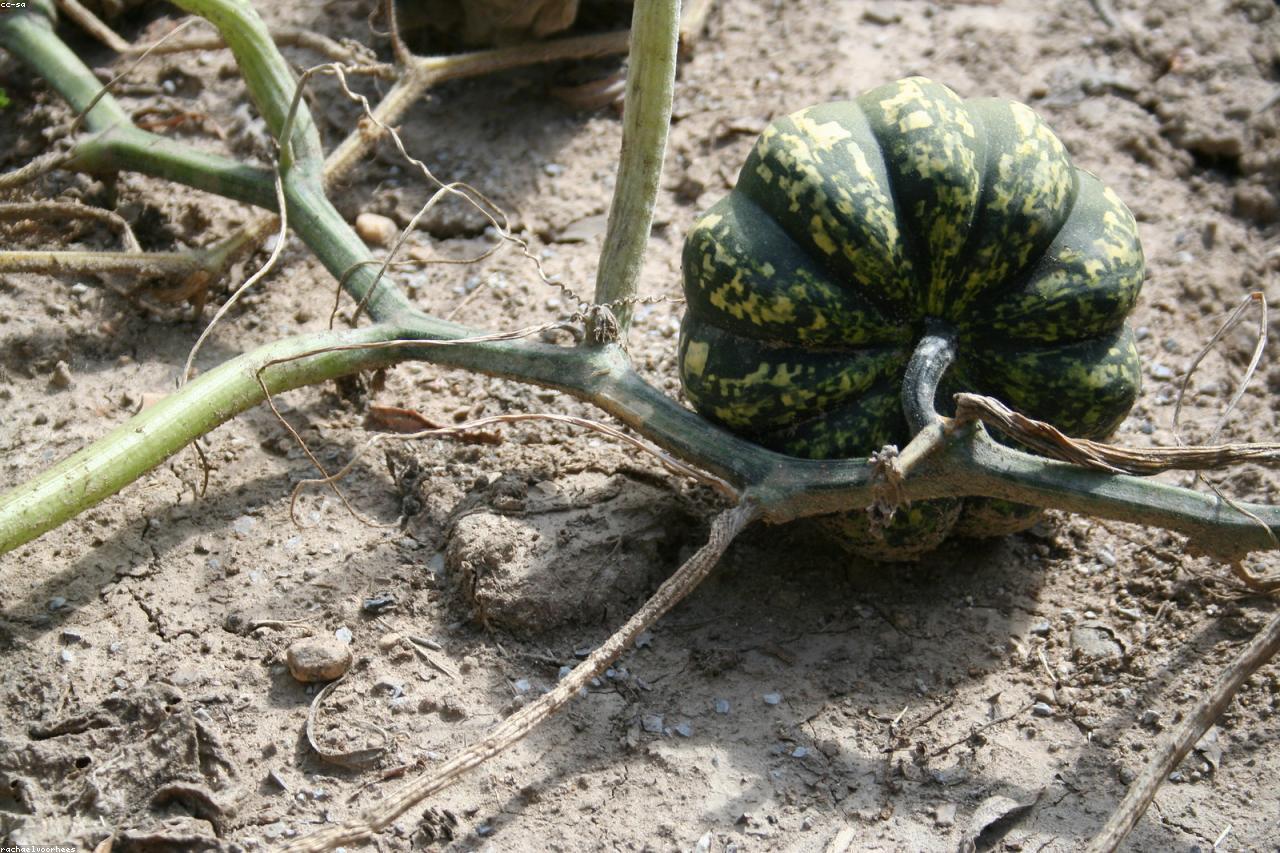
Some squash varieties resist vine borers better than others. The Cucurbita moschata species (which includes butternut, Tromboncino, Cousa, and tatuma) is dramatically more resistant than Cucurbita pepo (which includes zucchini, summer squash, pumpkin, acorn squash, spaghetti squash).
Why: C. moschata varieties have solid stems rather than the hollow stems of C. pepo. The larvae cannot tunnel as effectively into solid stems and often fail before causing significant damage.
If borers are a serious problem in your garden, shifting your squash mix toward C. moschata varieties dramatically reduces vulnerability. Tromboncino is an excellent zucchini substitute (produces zucchini-like fruits when picked young, butternut-like when fully mature). Cousa is a tasty summer squash alternative.
Cucumbers, by the way, are mostly unaffected because they are a different species (Cucumis sativus) outside the squash family.
Detection: catch the early signs
Three signs indicate vine borer presence before serious damage occurs.
Tiny entry holes at the base of squash stems, often with a small amount of orange-yellow frass (sawdust-like material) at the hole. The hole itself is the size of a pin; the frass is the obvious sign.
Sudden wilting of one branch or section of the plant, especially during otherwise healthy growing conditions. Wilting that does not recover after watering indicates internal stem damage.
Squash plants that begin flowering normally but then suddenly stop producing new flowers or fruit. The internal damage interrupts the plant’s reproductive cycle.
Check squash plants every 2-3 days during the vulnerable period (late June through August). Early detection allows intervention while the larva is still small.
Intervention: surgery on affected plants
If you find a borer entry hole on a stem, surgery can save the plant. The technique is straightforward.
Cut a longitudinal slit (about an inch long) along the affected stem section, starting at the entry hole. Open the stem gently. The larva will be visible inside; remove with tweezers and destroy.
Bury the cut section of stem under several inches of moist soil. The plant produces new roots at the buried node, supporting the upper portion that would otherwise wilt. We have saved many plants this way; the technique works most of the time.
Apply soil to cover the cut. Water deeply. The plant should recover within a few days. New roots form at the buried section, providing alternate water and nutrient supply.
Treatment: parasitic nematodes
Parasitic nematodes (Steinernema feltiae) target the squash vine borer pupae overwintering in soil. Apply nematodes to the soil around squash plants in autumn after harvest, before the soil freezes.
The nematodes are sold in moist sponge or powder form (Arbico Organics and similar sources, $20-$40 per application). Mix with water and apply to moist soil according to label directions. The nematodes seek out and kill borer pupae overwintering in the soil.
This method reduces next year’s adult moth population. It does not address this year’s problem but contributes to long-term population management. Most effective when combined with rotation of squash to different beds.
A combined approach
Our squash vine borer management combines all of these strategies.
Variety selection: half of our summer squash is now C. moschata (Tromboncino), reducing overall vulnerability.
Row cover: applied at planting to all squash, removed when flowering begins. This protects the early-vulnerable growth phase.
Monitoring: check stems every 2-3 days for entry holes and frass through the borer season.
Surgery: any plant with detected borers gets the slit-and-bury treatment. We save 60-70% of plants we catch in time.
Autumn nematode application: applied annually to all former squash beds.
Crop rotation: squash moved to different beds each year to disrupt the borer life cycle.
The combined approach produces consistent summer squash harvests in our garden, where prior seasons produced little. Some plants are still lost; some harvests are smaller than ideal; but the bare minimum useful production is reliably achieved.
Squash vine borer is one of the most challenging organic garden pest problems. A combined approach (variety selection, row cover, monitoring, surgical intervention, autumn nematode application, crop rotation) reliably reduces losses to manageable levels. Expect some plants to be lost most years; expect overall harvest to be much better than without intervention. This pest justifies more attention than most.
Related reading from the journal
Readers of this guide often turn next to Stopping Tomato Hornworms Without Pesticides, Weed Barriers Compared: Newspaper, Cardboard, Wood Chips, and Beneficial Insects to Encourage in Your Backyard.
Further reading
Trusted references we consulted while researching this piece. All external.