Most homemade fertilizer recipes online fall into one of two categories: too fussy to actually use, or so weak they barely qualify as fertilizer. The five recipes below are the ones we have actually used in our garden across multiple seasons. Each one is genuinely useful, simple enough to prepare, and works.
None of these will replace good compost as your soil-building foundation. They are supplements for specific situations: a mid-season nitrogen boost for heavy feeders, a calcium top-up for blossom-end rot prevention, a microbial enrichment for stressed plants. Use them as targeted tools, not as your primary feeding strategy.
One: comfrey leaf tea
Comfrey is a deep-rooted perennial that mines minerals from deep in the soil. Its leaves contain remarkably high concentrations of potassium, nitrogen, calcium, and trace minerals. A liquid fertilizer made from steeped comfrey leaves is one of the best all-purpose homemade feeds for fruiting plants like tomatoes, peppers, and cucumbers.
To make it: cut a generous handful of comfrey leaves from a mature plant. Stuff them into a five-gallon bucket. Cover with water. Cover the bucket (the brew smells strong as it ferments) and let it sit for two to four weeks. Strain off the dark liquid into a smaller container.
To use: dilute one part comfrey tea to ten parts water. Apply as a soil drench around fruiting plants every two to three weeks during peak growing season. We see noticeably improved fruit set on tomatoes and peppers from regular comfrey applications.
Two: banana peel water
Banana peels are rich in potassium and minor minerals. They make a quick, mild liquid fertilizer particularly suited to flowering and fruiting plants.
To make it: place three to five banana peels in a quart jar. Cover with water. Refrigerate for one to three days. Strain off the liquid.
To use: undiluted, apply about a cup of banana water around the base of flowering plants once a week. The fertilizer is mild; you cannot overdose easily. Roses, tomatoes, and citrus respond particularly well. The peels themselves can be composted afterward.
Three: eggshell calcium powder
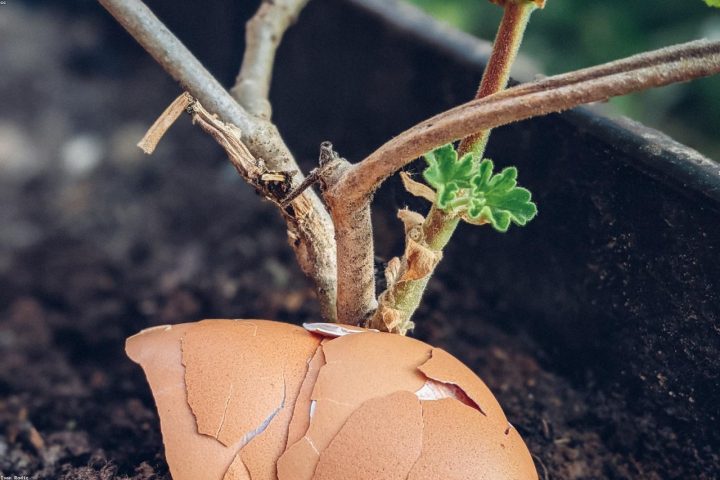
Eggshells contain about ninety percent calcium carbonate, which addresses blossom-end rot in tomatoes and supports cell wall strength in all garden plants. Whole shells take a year or more to break down in soil. Powdered shells are available to plants within a few weeks.
To make it: rinse eggshells thoroughly after use. Air dry on a paper towel for a day. Bake on a baking sheet at 250F for ten minutes to fully dry and sterilize. Crush in a mortar and pestle, or pulse in a small spice grinder until they form a fine powder.
To use: sprinkle a tablespoon of eggshell powder per square foot of soil before planting heavy calcium feeders like tomatoes and peppers. Top dress around mid-season as a calcium boost. The powder works slowly and steadily over many weeks.
Four: weed tea
Garden weeds are full of the same nutrients that they were stealing from your soil. Capturing those nutrients in a liquid fertilizer recycles them back to your crops. This is one of the most satisfying garden upcycles available.
To make it: collect a five-gallon bucket of fresh weeds, ideally before they have set seed. Stinging nettle, dandelion, comfrey, plantain, and chickweed are all excellent. Cover with water. Weight down with a brick or rock to keep them submerged. Cover loosely and let sit two to three weeks. Strain off the dark, slightly smelly liquid.
To use: dilute one part weed tea to five parts water. Apply as a soil drench every two to three weeks during the growing season. The smell is significant; we keep ours far from the house and use it on outdoor beds only. The plants love it.
Five: fish emulsion (home version)
Commercial fish emulsion is one of the most effective liquid fertilizers available, but it is expensive ($20-$40 per gallon for organic versions). A homemade version uses fish scraps from a freshly caught or trimmed fish (heads, tails, guts, bones).
To make it: combine one part fresh fish scraps with three parts water and a half part molasses in a sealed five-gallon bucket. Add a quart of sawdust or shredded leaves as a carbon source. Stir daily for two weeks while it ferments anaerobically. Strain off the liquid.
To use: dilute one tablespoon of finished fish ferment in a gallon of water. Apply as a soil drench around heavy nitrogen feeders (leafy greens, brassicas, corn) every two weeks. The smell while preparing is genuinely awful; we make this far from the house in a corner of the yard. The finished diluted fertilizer is barely scented.
If you do not fish and do not have access to fresh scraps, commercial fish emulsion is a reasonable purchased alternative. The DIY version is worthwhile mostly if you fish or process whole fish at home.
A note on application timing
All five fertilizers above are best applied as liquid drenches around the root zone, not as foliar sprays (with the exception of well-diluted compost tea). Apply early in the morning to avoid leaf burn. Water deeply with plain water after application to drive the nutrients into the root zone.
Frequency matters more than concentration. Half-strength feeds every two weeks generally produces better results than full-strength feeds once a month. Plants metabolize nutrients incrementally; steady supply is preferable to occasional flooding.
Stop liquid feeding three to four weeks before harvest for root vegetables. Continue feeding fruiting plants until peak production winds down.
Homemade fertilizers are a small, practical part of organic garden management. None of them replace good compost as your soil foundation, but each one addresses a specific situation well. Start with one recipe that suits your garden’s biggest gap, use it for a season, and add another when the rhythm fits.
Related reading from the journal
If you found this useful, you may also like Building Healthy Soil Without Chemical Fertilizers, The Kitchen Scraps You Should Never Add to a Compost Bin, and Mulches Compared: Which One Actually Helps Your Soil.
Further reading
Trusted references we consulted while researching this piece. All external.