Compost bin “rules” can read like a list of contradictions. One source says citrus is fine; another insists it ruins the pile. One source welcomes eggshells; another warns against them. Some lists are so cautious they exclude things that compost perfectly well, while other lists are so loose they end up causing pest problems.
This is the version we have arrived at after several years of running both an outdoor pile and an indoor worm bin. Some of these prohibitions are absolute. Some are situational. We will explain the reasoning behind each so you can apply judgment in your own bin.
The genuinely off-limits items
A short list of materials should never go in a home compost pile or worm bin. The reasons range from pest attraction to health risk to slow degradation that ties up the pile.
- Meat, fish, and bones. Attract rodents, raccoons, and flies. Rot slowly with strong odors. Bones do not break down in home pile conditions. Reserve these for municipal composting if available.
- Dairy products. Same problem as meat: odor, pests, slow breakdown. Includes cheese, milk, yogurt, butter, and similar.
- Oil, fat, and greasy food. Coats other materials, slows decomposition, and creates anaerobic pockets. Includes salad dressing residue, fried foods, and bacon grease.
- Pet waste from carnivorous pets. Dog and cat waste contain parasites and pathogens that home compost rarely heats hot enough to kill. Compost in a separate dedicated bin or trash.
- Diseased plant material. Tomato plants with blight, squash with mildew, anything with viral or bacterial disease. Home piles rarely reach the sustained 140F+ needed to kill pathogens.
- Anything from herbicide-treated lawn. Some lawn herbicides (clopyralid, picloram) persist through composting and can damage vegetables grown in the finished compost.
The "depends on the situation" items
These items can go in some piles and not others. Context matters.
Citrus peels and onions. Outdoor pile: fine in moderation (less than ten percent of total greens). Worm bin: avoid; the acidity and oils discourage worms. We toss citrus peels onto the outdoor pile but keep them out of the indoor bin.
Bread, pasta, and grain products. Outdoor pile: bury deeply to avoid attracting rodents. Worm bin: small amounts only, well buried. Larger quantities attract pests and create anaerobic pockets.
Coffee grounds. Excellent for both pile and bin in moderate amounts (up to twenty percent of total greens). Filters compost too. Avoid massive quantities (worm bins are sensitive to acidity).
Eggshells. Fine, but crush them first; whole shells take a year or more to break down. Calcium-rich and slightly liming. Use in moderation; we add roughly the shells from one carton per week to a typical bin.
The widely permitted items
Most kitchen scraps not in the off-limits list compost cleanly. The list below covers the bulk of what passes through a typical kitchen.
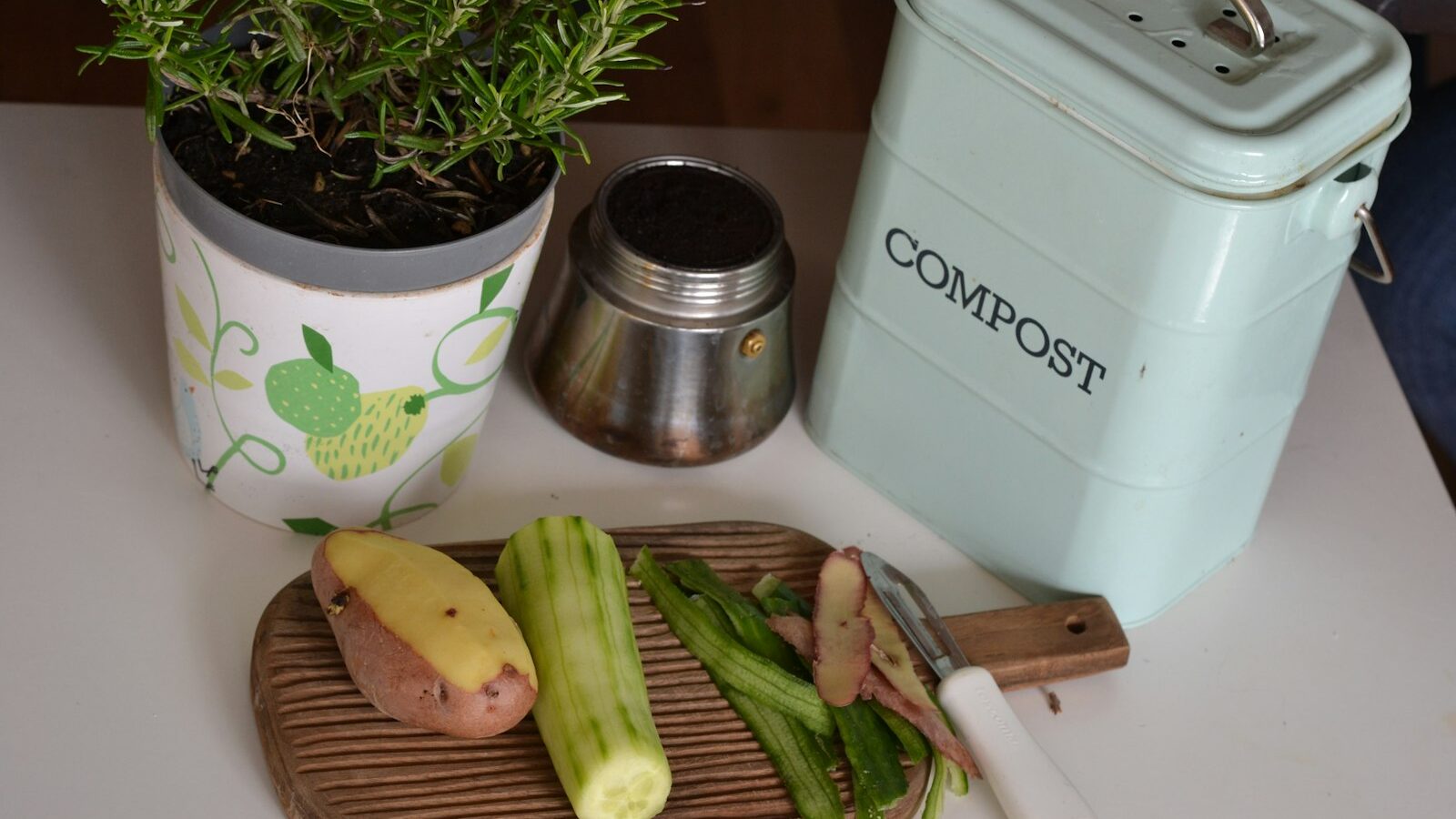
- Vegetable trimmings, peels, and stems
- Fruit peels and cores (citrus in moderation)
- Coffee grounds, paper filters, and tea leaves
- Crushed eggshells
- Bread and grain products (in moderation, buried deeply)
- Stale or moldy produce
- Plate scrapings of plant-only food
- Used paper napkins and paper towels (food residue only)
- Shredded paper and cardboard
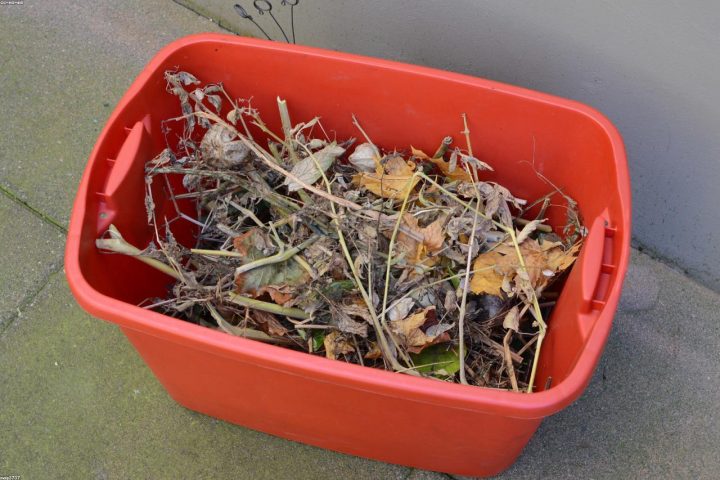
- Garden trimmings, deadheaded flowers, weeds before they have set seed
The myths worth correcting
Several common compost prohibitions are not actually problems. Recognising the difference between genuine risks and folk warnings makes your composting more flexible and less fussy.
Citrus is fine in outdoor piles in moderation. The concern is acidity, but a balanced pile buffers easily against the small amount of citrus a typical household produces.
Onion and garlic are fine in outdoor piles. The concern about deterring worms applies to small indoor bins, not to large outdoor heaps where worms are not the primary decomposers.
Lawn clippings from chemically untreated lawns are fine. Many guides warn against lawn clippings without explaining the actual concern (residual herbicide). If your lawn has not been treated, the clippings are excellent green material.
Tomato and pepper plants from a healthy garden are fine. The concern is disease; healthy plants compost cleanly. We compost our tomato vines every autumn without issue.
When in doubt, the simple test
If you are uncertain whether something belongs in the pile, ask three questions. Is it organic (was it ever alive)? Will it attract pests? Will it carry disease or chemicals into the finished compost?
If the answer is yes, no, and no, it can go in. If any of the answers shift the other way, leave it out or research further. Most household kitchen waste passes the test cleanly.
What to do with the off-limits items
The off-limits items are not waste, they just need different handling. Several options work depending on your situation.
Municipal compost programs accept meat, dairy, and bones because they operate at temperatures that kill pathogens. Check whether your city or county collects organics; many do, often as part of yard waste collection.
A bokashi bucket (a Japanese fermentation method using inoculated bran) handles meat, dairy, and oils that traditional compost cannot. The fermented output can be buried in a garden bed or finished in a regular compost pile.
For pet waste, dedicated pet waste digesters (essentially small septic systems) keep the material separate from food compost. These work for dogs but are not recommended for cat waste due to Toxoplasma risk.
Composting is forgiving but not infinitely so. A short list of off-limits items keeps the pile healthy, the local rodents disinterested, and the finished compost safe for your garden. Beyond that, most household scraps belong in the pile. Use judgment, learn from the rare mistakes, and the system runs itself.
Related reading from the journal
If you found this useful, you may also like Mulches Compared: Which One Actually Helps Your Soil, Reading Your Soil Without a Lab Test, and Restoring Compacted Soil Without Heavy Machinery.
Further reading
Trusted references we consulted while researching this piece. All external.