A planting calendar is one of the most useful tools a vegetable gardener can have. The trouble is that most generic calendars assume warmer climates and earlier seasons than cool-climate gardeners actually have. Following a guide written for zone 8 in zone 5 leads to dead seedlings and missed plantings.
This calendar is built for zones 4-7 (most of the northern and central United States and southern Canada). The specific dates assume a last spring frost in late April to mid-May; adjust by a week or two for your microclimate.
February: planning and indoor starts
February is the planning month. The garden is still asleep but the seed catalogues have arrived. Spend a Sunday afternoon planning the season ahead.
Indoor seed starts begin late this month for the longest-season crops. Onions and leeks from seed take 10-12 weeks to reach transplant size, so start in mid-February for May transplanting. Slow-growing peppers (especially hot varieties) benefit from a late-February start too.
Outdoor work: continue ordering seeds, check tools, prepare seed-starting setup.
March: first indoor starts, late-month direct sowing
Start tomatoes, peppers, eggplant, broccoli, cabbage, and kale indoors under lights in early to mid-March (6-8 weeks before your last frost date).
By late March, the soil is workable in many years (push a finger in; if it sticks and packs, wait). Outdoor direct sowing of the toughest cool-season crops can begin: peas (snap peas, snow peas, shelling peas), spinach, fava beans, and radishes.
April: the main cool-season planting window
April is when the cool-season garden takes off. Direct seed: lettuce (multiple varieties), arugula, mustard greens, carrots, parsnips, beets, Swiss chard, kohlrabi.
Transplant outdoors: broccoli, cabbage, kale, lettuce (if started indoors earlier). These can take light frost without damage. Cover with row cover if temperatures dip below 25F.
Plant: garlic if you missed the autumn window (autumn planting is better but spring works), shallots, onion sets, potatoes.
May: the warm-season window opens
After the last frost (typically early to mid-May in zones 5-6), the warm-season crops can be transplanted outdoors.
- Early May (before last frost): continue cool-season succession planting, harden off warm-season transplants, plant strawberries
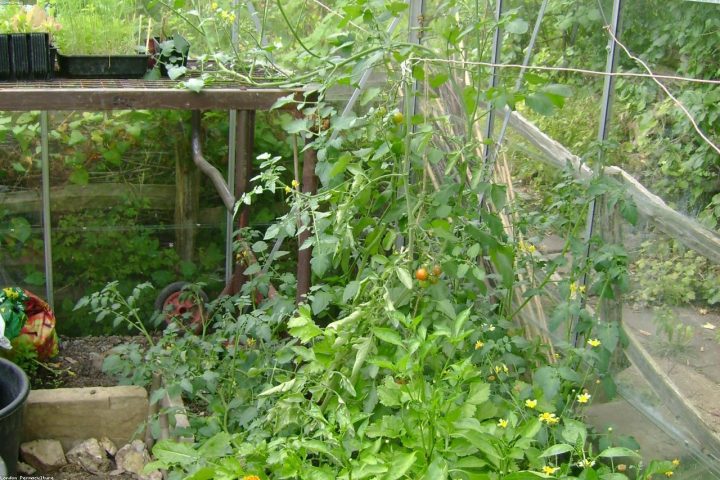
- Mid-May (after last frost): transplant tomatoes, peppers, eggplant, basil
- Late May: direct sow beans (bush and pole), corn, squash, cucumbers, melons
June: succession planting and maintenance
June is mostly about maintenance and second-round plantings. Direct sow another round of beans, carrots, and beets. Continue succession-planting lettuce in shaded spots (full-sun lettuce bolts in summer heat).
Plant: more basil (it grows quickly and you can never have too much in summer), additional zucchini if you have space.
This month also includes pinching off flowering stems on herbs to keep leaf production going, side-dressing heavy feeders (tomatoes, squash, corn) with compost, and starting the regular harvest of early crops.
July: peak harvest, late summer plantings begin
The garden enters its peak production. Daily harvest becomes routine for tomatoes, beans, cucumbers, summer squash.
Late July is when fall garden planning begins. Start seedlings indoors for fall crops: kale, collards, broccoli, late lettuce, fall cabbage. These will be transplanted out in late August for autumn harvest.
Direct sow: a final round of bush beans (60 days to maturity gives them time before frost), late summer lettuce in shaded beds.
August: fall plantings and continued harvest
August is the bridge month: continuing summer harvest while planting for autumn.
Transplant: fall kale, broccoli, cauliflower, cabbage (the seedlings started in July). Direct seed: spinach, lettuce (in cooler spots), arugula, radishes, turnips, carrots for fall harvest.
Continue harvesting tomatoes, squash, beans, cucumbers. Begin saving seeds from your best-performing plants.
September: cool-season return
The garden shifts back to cool-season production. Continue harvesting the warm-season crops (tomatoes often produce through late September), plus the growing fall garden.
Plant: garlic (early October is better, but late September works in cooler zones), cover crops on any beds that are finishing for the season.
Direct seed: hardy cool-season greens (mache, claytonia, hardy lettuce) for late harvest under row cover.
October: cleanup, garlic planting, winter prep
The growing season winds down. First frost typically arrives in early to mid-October in zones 5-6.
Before frost: harvest tomatoes (green tomatoes ripen indoors), basil (preserve through freezing or drying), peppers.
After frost: leave hardy crops (kale, Brussels sprouts, leeks) in place; they continue and even improve after light freezes. Remove tomato vines, squash plants, and other tender crops; compost healthy material.
Plant garlic for next year (October 1-31, depending on zone). Apply compost to all beds. Plant overwintering cover crops on empty beds.
November to January: dormant season
Most outdoor garden activity pauses. Some hardy crops (kale, leeks, Brussels sprouts) continue under row cover in zones 6-7. Garlic emerges and grows briefly before dormancy.
Indoor activity: review the season, take notes on what worked and what did not, plan next year. Order seeds in January for early-spring delivery.
Winter sowing (a technique where seeds are planted in containers outdoors in winter for early spring germination) can begin in late January for the earliest crops.
Quick reference: when to plant what
For the most common crops in zone 5-6:
- Garlic: October (best) or early April
- Peas, spinach, fava: mid-March direct seed
- Lettuce, carrots, beets, radish: early April direct seed
- Broccoli, cabbage, kale transplants: early April
- Tomato, pepper, eggplant transplants: mid-May after last frost
- Beans, corn, squash, cucumber direct seed: late May
- Fall greens (kale, cabbage, broccoli) transplants: mid-August
- Fall lettuce and spinach direct seed: late August to early September
A planting calendar customized to your zone is more useful than any generic guide. Track first and last frost dates in your specific location, then plant on schedule. The first few seasons feel uncertain; by year three, the rhythm of the garden year becomes second nature and the calendar becomes a reference rather than a constant guide.
Related reading from the journal
Readers of this guide often turn next to Succession Planting Without a Spreadsheet, Sustainable Seed Saving for Home Gardeners, and Growing a Useful Herb Garden in Four Square Feet.
Further reading
Trusted references we consulted while researching this piece. All external.