Tomato watering is one of the most confidently incorrect topics in gardening writing. There are guides that recommend daily watering, guides that recommend weekly soaks, guides that swear by misting, and guides that warn against any wet leaves whatsoever.
After running side-by-side test rows for several years in our zone 6b and 7a beds, with different watering regimes on identical varieties planted the same week, we have a clearer picture of what actually works. Most popular advice is half right. The corrections are what this guide is about.
What tomatoes actually want
Tomatoes want consistent soil moisture in the root zone (six to eighteen inches deep) and they want their leaves dry. Both halves of this matter.
Consistency is genuinely critical. Tomatoes that go from soaked to dry to soaked produce fruit with cracks, blossom-end rot, and irregular development. Tomatoes that get a steady moderate moisture profile produce fewer of those problems. The total amount of water matters less than the consistency.
Dry leaves matter because tomatoes are highly susceptible to fungal and bacterial diseases that spread through wet foliage. Early blight, late blight, septoria leaf spot, and bacterial speck all behave better when leaves stay dry through the season. Overhead sprinkling is the worst possible delivery method for tomatoes.
The schedule that actually works
For in-ground or raised-bed tomatoes in zones 5 through 8, the schedule below produces consistently good results across years. Adapt by climate.
- Seedling stage (first 3 weeks after transplanting): light daily watering at the soil level, just enough to keep the surface from drying
- Vegetative growth (weeks 4-8): 1 inch per week delivered in 2 deep soaks at the soil level
- Flowering and fruit set (weeks 9-12): 1.5 inches per week, 2-3 deep soaks; this is the period where consistency matters most
- Active fruiting (weeks 13 onward): 1.5 to 2 inches per week, adjusted for heat; reduce slightly as fruits ripen to concentrate flavor
The biggest myth: more water = more fruit
This belief leads to chronic overwatering of tomatoes, which is one of the most common errors we see. Past a certain point, additional water produces watery, bland fruit and pushes plants toward vegetative growth at the expense of fruiting.
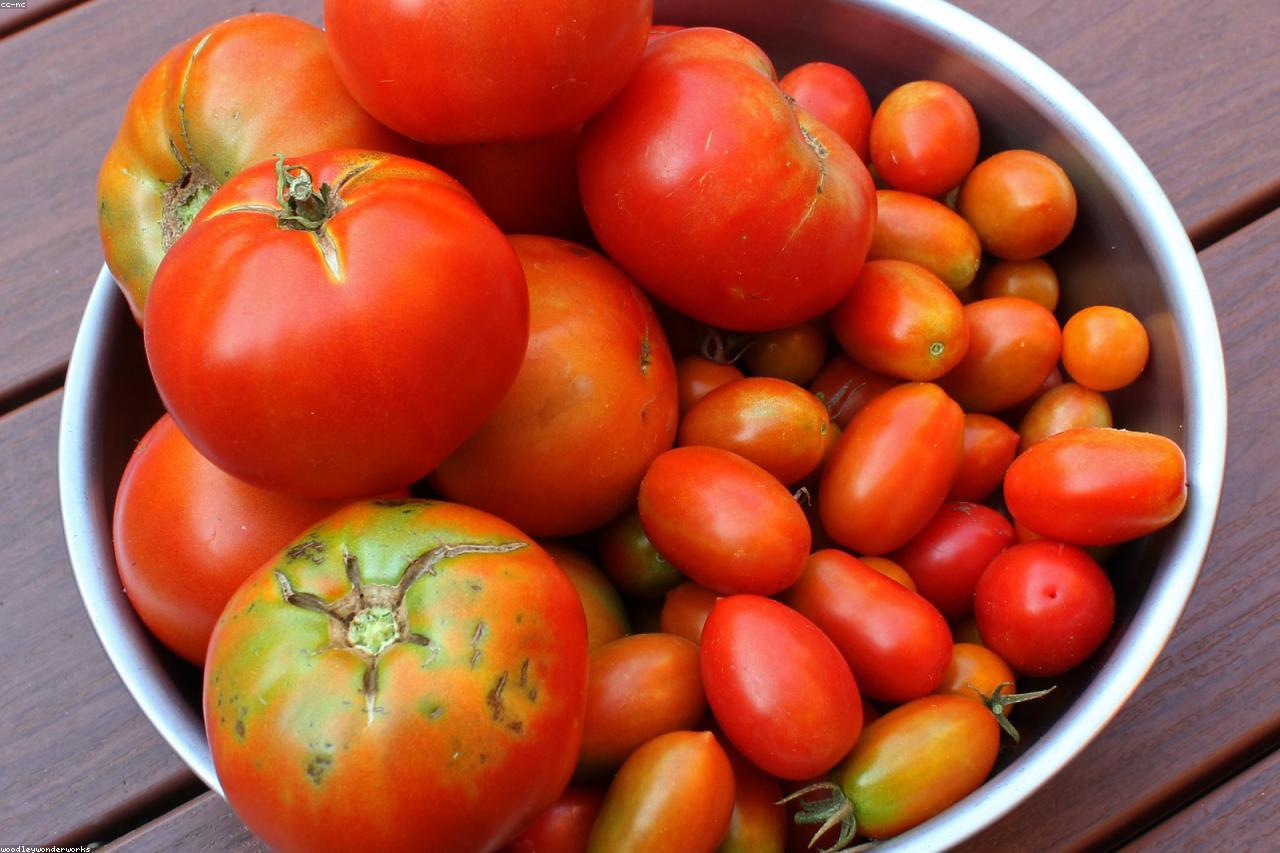
A tomato that gets the right amount of water produces firm, flavor-dense fruit. A tomato that gets too much produces oversized but watery fruit and far more foliage than is useful. The difference is subtle on the plant but very clear in the kitchen.
The second biggest myth: stop watering before harvest
Some guides recommend cutting water sharply to “concentrate the flavor” as harvest approaches. There is partial truth to this for the very last few days before ripening, but most gardeners apply it too aggressively. The result is shoulder-cracking and uneven ripening, not better flavor.
A modest reduction in watering (from two inches per week down to one and a half) in the final two weeks of ripening does seem to improve flavor density without causing splitting. More dramatic reductions damage the fruit more than they help.
Container tomato watering
Container tomatoes are an entirely different problem. A five-gallon container in summer often needs daily watering, sometimes twice daily during heat waves. A ten-gallon container is far more forgiving and usually only needs daily attention.
The biggest cause of container tomato failure is undersized containers. A determinate tomato needs at least seven gallons of soil volume to perform well. An indeterminate variety needs ten to fifteen gallons. Smaller containers will work but require obsessive watering and never quite reach full production.
Self-watering containers (sub-irrigated planters) with a built-in reservoir can extend the watering interval to two or three days even in hot weather, and they smooth the consistency that tomatoes care so much about. They are worth their cost for container-only gardeners.
Mulch is the cheat code
A three-inch mulch layer of straw around tomato plants does more for watering consistency than almost any other intervention. It reduces evaporation, prevents soil from splashing onto the lower leaves (which spreads disease), and moderates soil temperature.
Apply mulch after the soil has warmed in late spring, about two weeks after transplanting. Pull it back from the stems by about an inch to prevent stem rot. Renew lightly in mid-season if the layer has thinned.
Tomato watering is mostly a question of consistency and delivery. Aim for steady moderate soil moisture, keep the leaves dry, mulch generously, and trust the screwdriver more than the calendar. The reward is fewer disease problems, less cracking, and noticeably better-tasting tomatoes by season’s end.
Watering through the ripening window
The final two weeks before harvest are when watering technique pays the largest dividends. By this point the plant has set its fruit and the question shifts from supporting growth to concentrating flavor. Ease watering back to roughly two-thirds of what you provided during fruit set. The plants will look slightly thirsty in midday heat but will recover overnight without stress, and the fruit will be denser and noticeably more flavorful.
Beyond the ripening window, one detail matters more than gardeners expect: where the water actually lands. A morning soak that wets only the top two inches of soil teaches roots to stay shallow. As the season progresses, those shallow roots burn out faster in heat waves and the plant fails earlier. Soak deeply, then leave the soil alone long enough that roots have to chase the moisture downward. By midsummer, your tomato roots should be twelve inches deep, which is what carries them through August heat.
If you ever doubt whether a watering went deep enough, push a long screwdriver into the soil two hours after the watering. It should slide easily for at least eight inches. If it stops at four, the water did not penetrate. Run the drip longer next time.
Related reading from the journal
If you found this useful, you may also like Watering New Trees Through Their First Summer, A Quiet Weekly Watering Schedule That Actually Works, and Winter Watering: When to Keep Going and When to Stop.
Further reading
Trusted references we consulted while researching this piece. All external.