There is no garden upgrade with a better return on minutes spent than a proper mulch layer. The math is genuinely impressive: a two to three inch layer of organic mulch can cut evaporation by half, hold soil moisture longer, reduce weed pressure, and slowly improve the soil beneath it. Every garden we have ever helped someone start has begun with the same suggestion: mulch first, then everything else.
But mulch is one of those topics where the catalogue version and the actual useful version diverge. Some mulches are excellent; some are inert at best and harmful at worst. This is the guide we wish we had read before our first dump truck of cypress mulch turned out to be a mistake.
Why mulch saves so much water
Bare soil loses moisture through three mechanisms: evaporation from the surface, transpiration from weeds, and physical disturbance from rainfall. A mulch layer interrupts all three. Sun does not reach the soil surface, so evaporation slows dramatically. Weeds struggle to germinate in shade, so transpiration is reduced. Rain hits the mulch and soaks gently rather than sealing the soil crust against itself.
University trials consistently show a properly mulched garden uses thirty to seventy percent less supplemental water than bare-soil equivalents. The wide range depends on climate; arid climates see the larger savings, but even our Appalachian zone 7 garden sees roughly forty percent reduced watering after mulching.
The mulches we actually use
After trying nearly everything, three mulches have earned permanent places in our garden routine. Each has a slightly different role.
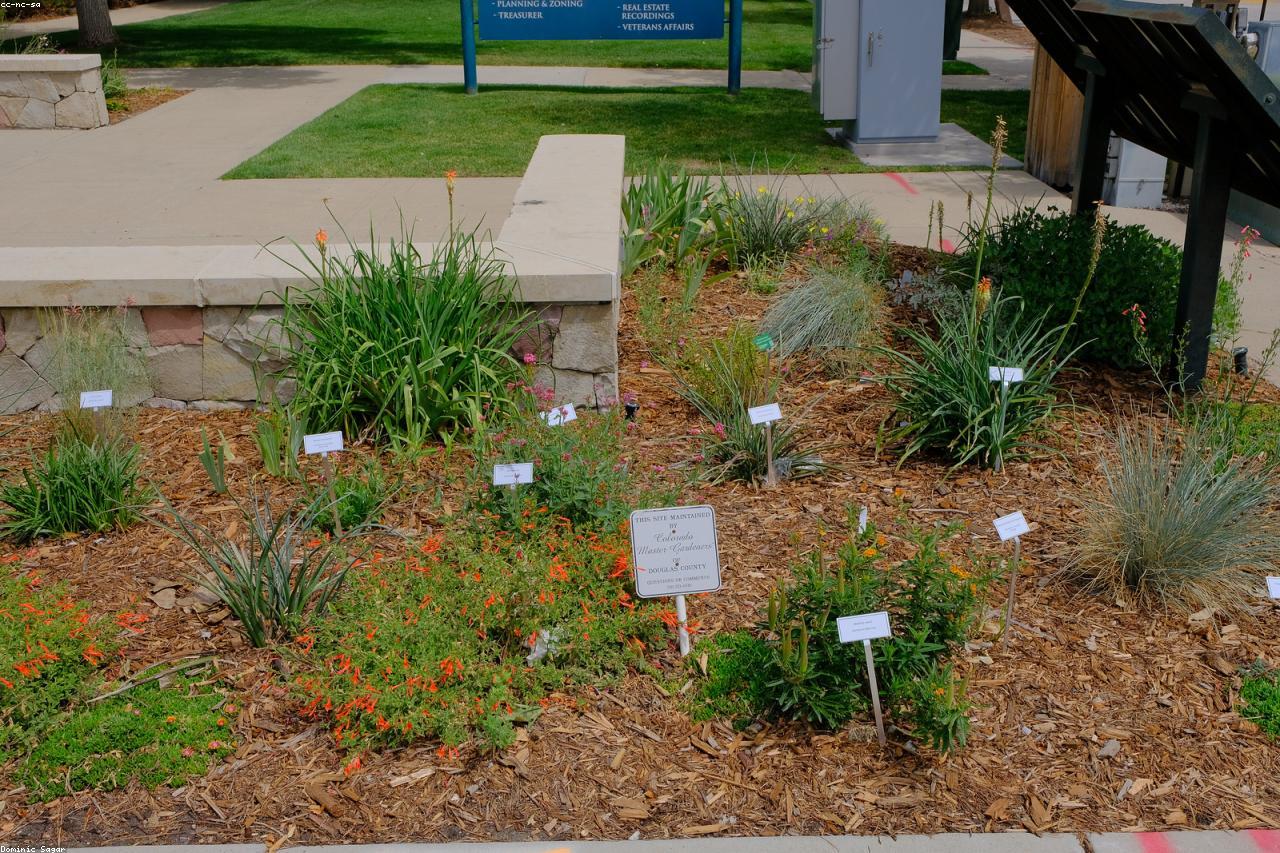
- Wood chips (arborist style). Best for paths, ornamental beds, and around shrubs and fruit trees. Lasts two to three years. Often free from local tree-care companies. Slightly acidic as it breaks down.
- Straw (not hay). Best for vegetable beds, strawberries, and pumpkins. Lasts one full growing season. Light, easy to handle, breaks down into clean compost by autumn. Buy weed-free certified straw if possible.
- Shredded leaves. Best for perennial beds and natural areas. Free in autumn. Breaks down quickly into excellent leaf mould. Run leaves through a mulching mower before applying for best results.
The mulches we have stopped using
Several common mulches have not earned their place in our garden, despite often being recommended. We share these reluctantly, since people sometimes feel attached to them, but the case against each is honest experience over multiple seasons.
Dyed wood mulches (red, black) often come from chipped construction lumber and may contain copper-arsenate residues. The dye also makes them visually intrusive in a way that ages badly. We avoid them.
Cypress mulch supports an environmentally damaging logging industry in Louisiana and Florida. Performance is no better than locally chipped arborist wood. Skip it.
Landscape fabric beneath any mulch prevents organic matter from incorporating into the soil over time. The mulch on top becomes a separate, sterile layer rather than improving the soil. We have not used it in seven years and our beds are noticeably better for it.
Rubber mulch from recycled tires is sold as low-maintenance. It is also non-biodegradable, can leach zinc and other metals into soil, and gets hot enough in summer sun to stress shallow-rooted plants. It is not a serious gardening product.
How thick is thick enough
Two to three inches is the right thickness for most mulches. Thinner than that and you lose meaningful moisture and weed benefits. Thicker than four inches and you risk creating an anaerobic layer that suffocates roots and harbours slugs.
One important detail: keep mulch about an inch back from the stems and trunks of plants. Mulch piled against bark traps moisture, causes rot, and invites voles. The “mulch volcano” piled around tree trunks at chain hardware stores is genuinely bad practice, no matter how often you see it.
Common mistakes worth avoiding
The biggest mistake is applying mulch over compacted, dry, or weedy soil. Mulch should sit on top of soil that has been weeded, lightly cultivated, and moistened. It locks in whatever conditions are present underneath. Mulch over weeds and you have buried, not removed them.
A close second is using mulch as a substitute for soil work. Mulch will not fix compacted clay, drainage problems, or low organic matter. It complements those fixes. It does not replace them.
A more subtle mistake is renewing mulch too aggressively. If last year’s mulch is largely broken down, add a thin top-up. If it is still substantially intact, simply rake it to redistribute. Most home gardens we visit are over-mulched, not under-mulched.
A simple seasonal rhythm
Our mulch routine is short and predictable. Each piece of it follows the rhythm of the garden, not a calendar date.
- Late spring: apply 2-3 inches of fresh straw to vegetable beds after seedlings are six inches tall
- Early summer: top up wood-chip paths and shrub beds as needed; check that nothing is mounded against trunks
- Autumn: run leaves through a mower and apply 2 inches to perennial beds before first freeze
- Late winter: rake last year’s remaining mulch to assess; do not strip it away unless rotted
A mulch layer is the single highest-leverage water-saving step in any garden. It costs little, takes one afternoon per season, and pays back across every other thing the garden asks of you. Apply it correctly once and the rest of the watering year becomes notably easier.
The arborist chip delivery: getting it right the first time
Most gardens we help start could use a full delivery of arborist wood chips. The challenge is that arborists deliver in large quantities (often 10-15 cubic yards minimum), and unprepared homeowners struggle with the volume.
A 10-yard delivery is approximately equivalent to a parking-space-sized pile, 3-4 feet deep. Moving it requires roughly 25-35 wheelbarrow trips. Plan the storage location before signing up for delivery: somewhere flat, accessible by truck, and out of the way of regular foot traffic. Driveways work but block vehicle access for several days. Side yards work if accessible.
The chip composition varies. Some loads arrive as nearly pure chipped branches; others include some leaves, twigs, and occasional small logs. All compositions work fine for garden use. The slightly mixed loads (chip plus some smaller debris) actually break down faster and improve soil more.
Use the load over 2-3 seasons. Spread 3-4 inches deep on paths, around shrubs and fruit trees, and on ornamental beds during the first weekend. Mound the remainder in a tarp-covered pile for use as the chips age and break down. Two-year-old wood chips from your own pile are some of the best garden mulch available, with partial decomposition already started.
Related reading from the journal
For more along these lines, see How to Set Up a Rain Barrel System for Beginners, Rainwater Harvesting in Apartments and Small Balconies, and Reading Your Soil Moisture Without Buying a Meter.
Further reading
Trusted references we consulted while researching this piece. All external.