A garden that supports beneficial insects has fewer pest problems and produces better harvests than one that does not. The relationship is direct: each ladybug eats hundreds of aphids per week; each parasitic wasp lays eggs in dozens of caterpillar pests; each hover fly larva consumes hundreds of aphids before pupating. Build the habitat for these predators and the pest control mostly happens on its own.
Most home gardens already have beneficial insects in residence. They are just outnumbered by the pest insects you can see more easily. A few simple changes shift the balance. We have built our garden around this principle for years; pest spraying has become almost unnecessary.
Ladybugs (lady beetles)
The most recognizable beneficial insect and one of the most useful. Both adults and larvae prey on aphids, mealybugs, scale insects, mites, and small caterpillars. A single ladybug consumes 50-200 aphids per day; a single larva eats 400 aphids before pupating.
To support ladybugs: plant flowers that bloom continuously (calendula, alyssum, dill, fennel) for nectar between aphid meals. Avoid pesticides, including organic ones, which kill ladybugs along with pests. Tolerate small aphid populations to maintain a food source for resident ladybugs.
Important: avoid buying and releasing purchased ladybugs. Commercially collected ladybugs typically fly away within hours of release and rarely establish in the garden. Native ladybugs that you attract through habitat stay longer and reproduce.
Lacewings
Green lacewing larvae are voracious predators of aphids, mealybugs, leafhoppers, scale insects, mites, thrips, and small caterpillars. Each larva eats hundreds of pests in its 2-3 week development period. Sometimes called “aphid lions” for good reason.
To support lacewings: plant flowering plants for adult nectar feeding (dill, fennel, coriander, alyssum, cosmos). Provide undisturbed habitat where larvae can develop. Avoid broad-spectrum pesticides.
Adult lacewings are delicate green insects with transparent wings; they are active at dawn and dusk and rarely seen. The larvae look like small alligators and are often mistaken for pests by gardeners unfamiliar with them.
Parasitic wasps
Several species of small parasitic wasps lay eggs in or on pest insects. The wasp larvae develop inside the host, killing it. The most useful species target caterpillars (braconid wasps lay eggs in tomato hornworms; you may see hornworms covered in white cocoon-like eggs – leave them in place, the parasitized worm is already dead inside).
To support parasitic wasps: plant umbel-shaped flowers (dill, fennel, parsley letting flower, coriander letting flower, yarrow). The small flat flower clusters provide accessible nectar for the tiny wasps.
Adult parasitic wasps are tiny (often less than a quarter inch) and do not sting humans. They are completely beneficial and worth protecting.
Hover flies (syrphid flies)
Hover flies look like small bees but they are flies (they hover in one spot, which bees do not). The adults feed on nectar. The larvae are aphid predators; a single hover fly larva eats 200-300 aphids before pupating.
To support hover flies: plant small-flowered plants (alyssum, calendula, dill, coriander, sweet alyssum, parsley letting flower). Hover flies prefer accessible nectar from small flowers rather than deep tubular flowers.
Hover flies are often the first beneficial insect to arrive at an aphid infestation. Adults find aphid colonies and lay eggs nearby; the larvae hatch and immediately begin eating.
Ground beetles
Ground beetles are large fast-moving beetles (often shiny black, sometimes iridescent) that hunt at night. They consume slugs, snails, soil-dwelling pests, and many caterpillars. A single ground beetle eats dozens of slugs per week.
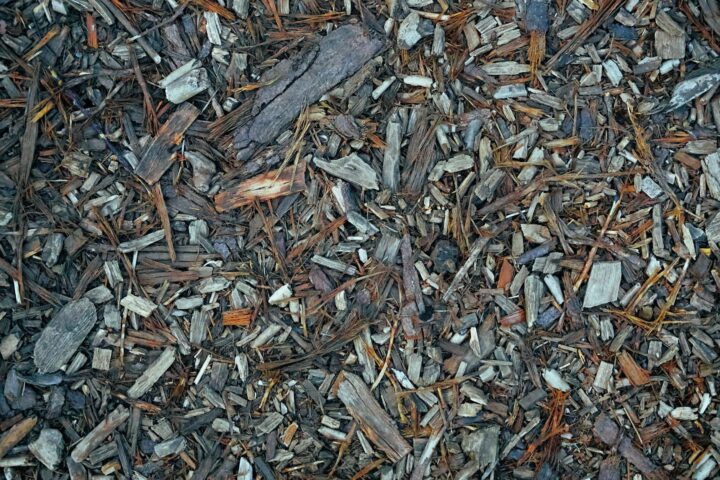
To support ground beetles: provide undisturbed habitat with cover during the day (mulch, leaf litter, rocks, garden debris). Avoid tilling, which destroys their burrows. Reduce or eliminate pesticides.
The mature beetles are completely beneficial. They sometimes startle gardeners by emerging quickly from under a turned rock or mulch, but they do not harm humans or pets.
Native bees
Beyond pollination value, native bees support overall garden ecosystem health. Many native bees are excellent pollinators (some species more efficient than honeybees for specific crops like blueberries and tomatoes).
To support native bees: plant native flowering plants in succession through the season. Provide nesting habitat (bare patches of well-drained soil for ground-nesting bees; bee houses or holes in dead wood for cavity-nesting species). Avoid pesticides on flowering plants.
Most native bees are solitary, do not form hives, and are extremely docile. Of the 4,000+ native bee species in North America, very few sting humans even when handled. Build a bee-friendly garden without worrying about stings.
Predatory mites
Several mite species prey on spider mites and other tiny pest mites. They are too small to see clearly without magnification but their effects are significant; a healthy population keeps spider mite outbreaks in check.
To support predatory mites: avoid broad-spectrum pesticides, which kill predators faster than pests. Maintain humidity by mulching and proper watering (spider mites thrive in hot dry conditions where predator mites suffer). Plant flowering plants throughout the garden.
Spiders
Garden spiders are perhaps the most underappreciated beneficial. A single orb-weaving spider catches dozens of flying insect pests per week. Wolf spiders and jumping spiders hunt ground-level pests. None of the common garden spiders are dangerous to humans.
To support spiders: provide habitat (mulch, tall perennials, vines, garden debris). Avoid pesticides. Leave spider webs in place; they catch a steady stream of pest insects throughout the season.
Tolerate webs across paths and doorways; they will be rebuilt overnight if you break them anyway. Spiders are entirely beneficial in garden settings.
Building the beneficial-insect habitat
The general principles for supporting beneficial insects work across all the species above.
- Plant flowering plants continuously through the season. Beneficial adults need nectar; flowering gaps cause beneficial populations to collapse
- Provide diverse flower shapes. Different beneficials prefer different flower types
- Leave some “untidy” areas. Brush piles, leaf litter, and standing perennial stems through winter provide overwintering habitat
- Provide water. A shallow water source helps all beneficials, especially during dry stretches
- Avoid pesticides. Even organic pesticides typically harm beneficials
- Reduce or eliminate tilling. Tilling destroys ground beetle and predatory mite habitat
- Tolerate some pest damage. A garden with zero pests has nothing for beneficials to eat, and the predator populations collapse
A garden with strong beneficial insect populations does most of its own pest control. The setup is largely about habitat (flowering plants, diverse plantings, undisturbed corners, no pesticides). Once established, the system runs itself, year after year, with the beneficials doing the work that would otherwise require constant spraying or hand removal. Start with one or two flowering plant additions; expand the habitat as you see the results.
Related reading from the journal
For more along these lines, see Birds, Beetles, and the Garden Cleanup Crew, Companion Plants That Repel Garden Pests, and Dealing With Powdery Mildew Naturally.
Further reading
Trusted references we consulted while researching this piece. All external.