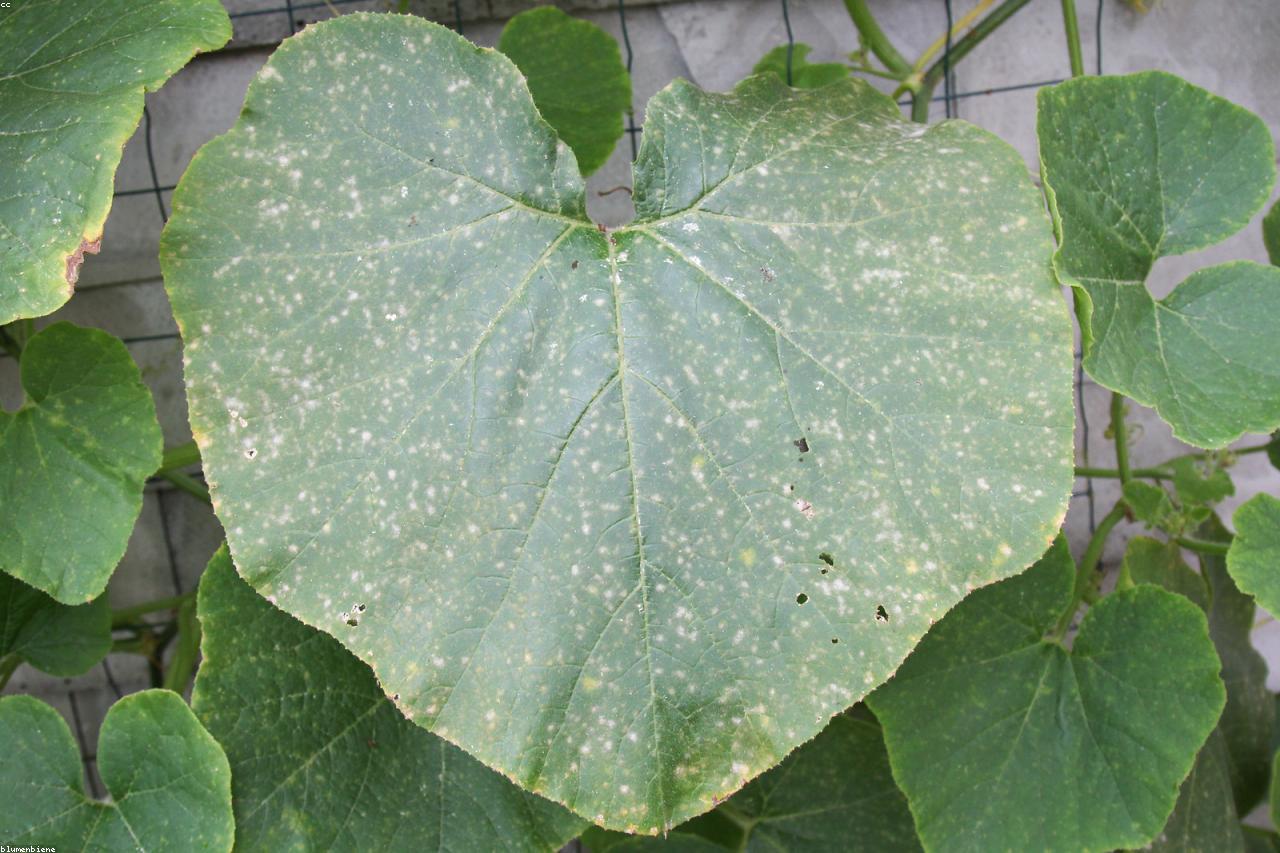
Powdery mildew is the white-grey dusting that appears on the leaves of squash, cucumbers, zinnias, phlox, and many other garden plants in late summer. It looks dramatic; the actual damage to plants varies widely. Modest infestations are mostly cosmetic. Severe ones reduce yield and shorten plant life.
Powdery mildew is the most common fungal disease in home gardens, and one of the easiest to manage with non-chemical methods. After years of dealing with it in various ways, we have a clear approach that combines prevention with targeted treatment. This is what works for us.
Understanding what you are dealing with
Powdery mildew is actually caused by many different fungal species, each specialized for specific plant families. The fungus that attacks squash is different from the one that attacks zinnias; the symptoms are similar but the specific organism varies. This is why a squash plant can be heavily infected while nearby zinnias remain clean.
The fungus needs warm dry conditions for spore production but humid conditions for germination. This is why powdery mildew tends to appear in late summer (warm days, cool dewy nights) and why it spreads slowly during dry weather but rapidly during humid stretches.
Spores spread by wind from nearby infected plants. Once established on a plant, the fungus colonizes the leaf surface and pulls nutrients from the plant tissue underneath. Affected leaves yellow and die over time.
Prevention strategy one: variety selection
The single most powerful prevention is choosing varieties bred for mildew resistance. Many vegetable and ornamental species have cultivars developed specifically to resist powdery mildew.
- Mildew-resistant squash: Tromboncino, Costata Romanesco, certain Cousa varieties
- Mildew-resistant cucumbers: Marketmore varieties, Diva, Sweet Success, Olympian
- Mildew-resistant melons: Honey Rock, Charentais, Hales Best (older varieties often better than modern)
- Mildew-resistant zinnias: Profusion series, Zahara series (instead of the older varieties)
- Mildew-resistant phlox: Jeana, David, Robert Poore (instead of older Phlox paniculata varieties)
- Mildew-resistant bee balm: Jacob Cline, Marshall’s Delight (resistant), Cambridge Scarlet (less so)
Prevention strategy two: airflow and spacing
Powdery mildew thrives where air does not move. Crowded plantings with dense foliage and still air create ideal conditions for infection.
Space plants generously. Cucumber and squash plants planted at 3-foot spacing (instead of the often-recommended 2 feet) have noticeably less mildew. Air moves between the plants, leaves dry quickly after dew, and spores have less opportunity to germinate.
Trellis what can be trellised. Vertical cucumber and squash production (vines climbing rather than sprawling on the ground) improves airflow dramatically. The plants take less ground space and have less mildew at the same time.
Prune sparingly for airflow. Removing some lower leaves on squash and cucumber plants near the end of summer (when mildew typically appears) helps. Avoid heavy pruning, which stresses plants and can worsen disease, but moderate thinning is helpful.
Treatment one: bicarbonate sprays
Baking soda (sodium bicarbonate) and potassium bicarbonate sprays modify leaf surface pH in ways that suppress mildew growth. Several research trials have shown moderate effectiveness against most powdery mildew species.
Basic recipe: 1 tablespoon baking soda + 1 teaspoon mild liquid soap (Castile or similar) + 1 quart water. Apply as a fine spray to all leaf surfaces, including the undersides. Reapply every 7-10 days during active mildew season.
Potassium bicarbonate is somewhat more effective than baking soda (less salt buildup in soil) and is available commercially as horticultural-grade products. Apply at label rate.
The bicarbonate sprays work best as preventive treatment (applied before significant infection) and as suppression on light to moderate infections. Severe established infections may not respond.
Treatment two: milk spray
Diluted milk sprayed on plants suppresses powdery mildew. The mechanism is not fully understood, but research trials have shown 30-50% reduction in mildew compared to untreated plants.
Recipe: 1 part milk to 9 parts water. Use whole milk (the fat content seems to matter). Apply as a fine spray to all leaf surfaces every 7-10 days during mildew season.
This method works as well as commercial fungicides in many trials, with no negative impact on beneficial insects or pollinators. Apply in morning so the leaves dry during the day; wet milk on leaves overnight can produce smell and minor secondary growth.
Treatment three: neem oil
Neem oil is a broad-spectrum natural product effective against many fungal diseases including powdery mildew, as well as some insect pests. It coats plant surfaces and inhibits fungal growth.
Apply neem oil according to label directions, typically 2 teaspoons per gallon of water with a drop of mild soap as an emulsifier. Spray all leaf surfaces. Repeat every 7-14 days.
Limitations: neem can harm beneficial insects on direct contact (apply in cool weather when pollinators are not active). It also has a strong odor that some find unpleasant. Effectiveness is moderate; not always sufficient for severe infections.
Cultural practices that help
Several general practices reduce powdery mildew pressure across the garden.
- Water in the morning, at the soil level. Late evening overhead watering keeps leaves wet overnight, encouraging fungal infection
- Mulch beneath plants. Reduces soil splash that brings fungal spores onto leaves
- Avoid over-fertilizing. High-nitrogen plants produce lush soft foliage that is more susceptible to mildew
- Remove infected leaves promptly. Pinch off badly affected leaves and dispose in trash (not compost) to reduce spore production
- Plant earlier-maturing varieties. Mildew typically appears in late summer; varieties that finish production earlier face less mildew pressure
- Crop rotation. Move squash family crops to different beds each year to reduce buildup of overwintering spores
When to accept the damage
Powdery mildew that appears at the very end of a crop’s natural lifespan often does not warrant intervention. A zucchini plant that has produced for 10 weeks and is showing mildew in week 11 has done its job. Pulling the plant and composting it (or starting an autumn replanting in the same bed) is more useful than fighting the mildew.
Mildew that appears early in a crop’s lifecycle, on the other hand, justifies intervention. A cucumber plant showing significant mildew in early August (when it should produce for another 2 months) benefits from treatment to extend the harvest.
Powdery mildew is the most common garden fungal disease and one of the easiest to manage organically. Variety selection and spacing handle most prevention. Bicarbonate sprays, milk spray, and selective leaf removal handle treatment. The combined approach typically keeps mildew at cosmetic levels rather than crop-damaging ones. Severe mildew at end-of-season often does not warrant intervention; accept the timing and focus on next year.
Related reading from the journal
For more along these lines, see Deer-Resistant Plants That Don't Look Like Compromises, Five Pest Myths That Probably Cost You a Harvest, and Garden Balance: Why Some Pests Should Stay.
Further reading
Trusted references we consulted while researching this piece. All external.