
Every fall a version of the same question lands in my inbox: is it worth the money to buy a greenhouse, or will a few yards of row cover keep the salad going into December? The honest answer is that these three tools do genuinely different things, and picking the wrong one for your climate and garden size wastes both money and lettuce. Here is how I sort them in my zone 7a beds outside Asheville, and how I would talk it through with a client sitting at my kitchen table.
What each tool actually does to the air around a plant
Row cover, cold frames, and greenhouses share one job: trap enough radiant heat and block enough wind that the plant’s leaf temperature stays above the point where cells rupture. They do it very differently.
A single layer of medium-weight row cover (Agribon AG-30, about 0.9 oz per square yard) adds roughly 6 to 8°F of frost protection and blocks about 30% of light. A cold frame is a sealed box: on a sunny 40°F day it can climb to 75°F inside by noon, and it holds 5 to 10°F above outside overnight if the soil mass inside is warm. A greenhouse gives you a whole room of buffered air, typically 10 to 15°F warmer at dawn than outside, plus the option of running a small heater when the forecast collapses.
Those differences drive the choice.
Row cover: the cheapest hedge against frost
A 10 by 25 foot piece of Agribon AG-19 from Johnny’s Selected Seeds runs about $18. Add ten 9-gauge wire hoops at $1.50 each and you have a low tunnel over a 4-foot bed for around $35. That tunnel protects spinach, mache, and hardy chard through most of a zone 7a winter, and it will save first-frost tomatoes from a single 30°F night in October.
What row cover cannot do: hold a plant above about 24°F on a windless, clear night. It also does not create the warm daytime climate that peppers, basil, or cucumbers need to actually grow rather than merely survive. You can drape it and forget it for weeks over cold-hardy greens, which is its real superpower.
When I reach for it first
- Any garden under 200 square feet.
- Renters and anyone who moves beds around each season.
- Bridging the shoulder frosts in October and April.
- Protecting brassicas from cabbage moth in June (AG-15 is the right weight there).
Cold frames: a small microclimate you can walk to
A cold frame is a bottomless, glazed box set over a bed. A 4 by 4 foot cedar frame with a twin-wall polycarbonate lid costs about $180 to build from scratch, or $300 to $450 for a prebuilt Juwel BioStar 1500 with an automatic opener. It is the tool most home gardeners underestimate.
The daytime heat gain is the point. On a March day when outside air is 45°F, my cedar frame with 8mm polycarbonate lids sits at 80°F by 1 pm. That is warm enough to germinate lettuce, brassicas, and onions three weeks before the beds nearby. It is also enough to overheat and kill seedlings if you forget to vent, which is why I consider a Bayliss MK7 automatic vent opener (around $80) mandatory rather than optional.
Overnight, a cold frame is roughly equivalent to two layers of row cover. It buys you 8 to 10°F. Its real advantage over row cover is not overnight protection: it is the germination climate on cool sunny days and the physical protection from wind and hail.
A small greenhouse: a room, not a blanket
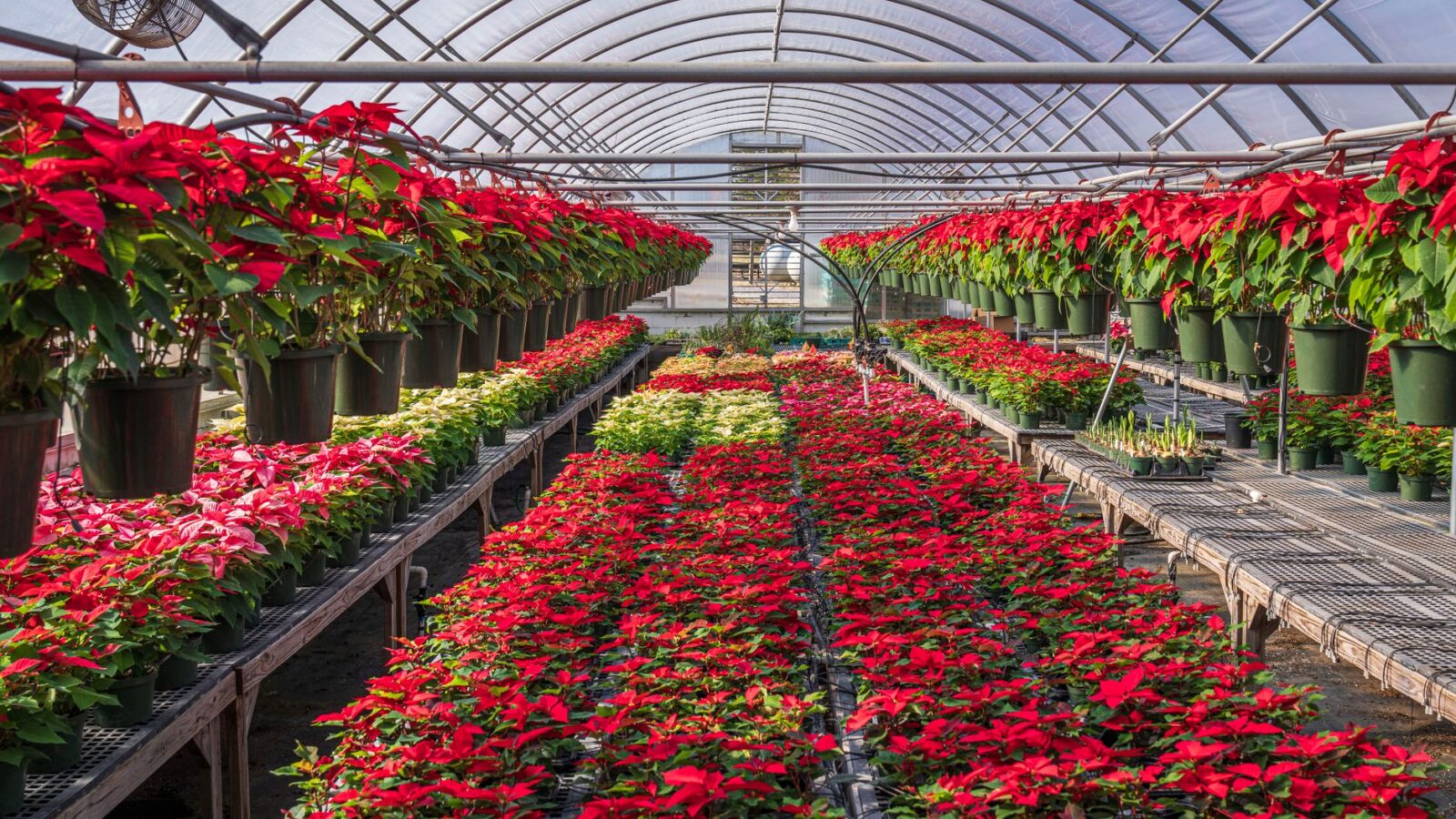
Here the money jumps. A Harbor Freight 6 by 8 aluminum greenhouse with polycarbonate panels lands around $900 assembled, and it will last five to seven years if you re-caulk the panels every spring. A Palram Nature Mythos 6×8 is closer to $1,400 and holds up longer. A step up to a Rimol Nor’Easter 12×24 hobby tunnel with a small propane heater runs $3,000 to $4,500 installed.
What a greenhouse gives you that the other two cannot: standing room, a heated space that grows warm-season crops through winter, and a place to overwinter tender perennials like rosemary, bay laurel, and citrus in pots. It also accepts electricity or propane if you want to push it, which changes what is possible.
The costs beyond the sticker price: 15 to 40 minutes a day of ventilation and watering attention from October through April, plus roughly $200 to $600 a season in propane if you heat it to hold 40°F on the coldest nights. It is a real ongoing commitment, not a set-and-forget purchase.
A decision table for zone 6b through 7b households
| Situation | Buy first | Add next if it works |
|---|---|---|
| Under 200 sq ft, mostly greens | Row cover kit, about $35 | One 4×4 cold frame |
| 200 to 800 sq ft, salads all winter | Two cold frames plus row cover | Small greenhouse if starts get serious |
| 300+ seedlings started at home | 6×8 greenhouse with heat mats | Row cover for the outdoor beds |
| Market garden, income involved | Caterpillar or 14 ft high tunnel | Cold frames for hardening off |
| Rental or short-term site | Row cover only | Portable pop-up greenhouse if needed |
Where each one fails, and what to watch for
Row cover fails when a wet snow presses it flat onto the plants and freezes to the leaves. That is why the hoops matter. It also degrades in UV: expect one to three seasons from AG-19 and two to four from AG-30 if you store it dry.
Cold frames fail two ways. First, cooked seedlings on the first warm February afternoon (get the automatic opener, really). Second, damping off, because the sealed environment traps humidity. Prop the lid open a finger’s width on every day above freezing, and water in the morning only.
Greenhouses fail from three things I see repeatedly: panels blown out in a summer thunderstorm because they were never properly clipped, botrytis on tomato leaves from poor air movement, and heating bills that quietly triple in a cold January. Add a small oscillating fan and read your propane meter weekly. Reliable growing-condition data from your local state climate office will tell you how often you actually hit those punishing nights, which is often less than gardeners fear.
How I actually stack all three
My own setup, on about 1,800 sq ft of production beds, uses all three. Row cover on hoops over five outdoor beds carries kale, spinach, chard, and claytonia through winter. Two 4×8 cold frames hold overwintered onions, an early spinach sowing in February, and hardened-off seedlings in April. A 10×12 polycarbonate greenhouse starts 400 plugs a year on heat mats, holds a few pots of rosemary, and grows one bed of early tomatoes that beat the field crop by five weeks. Each tool does something the other two cannot, which is the point.
If I could keep only one, in this climate, I would keep the cold frames. They give me the most extended growing days per dollar spent, and they scale up gracefully as ambition grows.
Frequently asked questions
Can I use a cold frame without an automatic vent opener?
You can, and I did for two years before I killed a full flat of pepper seedlings on a 62°F February afternoon while I was at a client’s site. If you are home all day and check the thermometer at 11 am and 2 pm, manual venting is fine. Otherwise the $80 Bayliss MK7 pays for itself the first time it saves a tray of $40 worth of starts.
How much warmer is a double layer of row cover than a single layer?
Roughly 3 to 5°F additional protection over a single layer of the same weight, so a single AG-30 plus a single AG-19 lands around 10 to 12°F of total gain. Trapped air between the two layers does the work. Support the top layer on hoops so it does not press onto the bottom layer, which collapses the air gap.
Is an unheated hobby greenhouse actually warmer than a cold frame overnight?
Barely, and sometimes not at all. A 6×8 unheated greenhouse holds 5 to 8°F above outside overnight, versus 8 to 10°F for a well-sealed cold frame with warm soil mass. The greenhouse wins on daytime volume and on your ability to work standing up. The cold frame wins on overnight retention per dollar.
Do I need a permit to put up a small greenhouse?
In most North Carolina counties, a freestanding greenhouse under 200 sq ft sitting on the ground (not on a foundation) does not need a permit, but rules vary. Check with your county planning office before assembling anything larger than a Harbor Freight 6×8, and read your HOA covenants if you have any. Your county cooperative extension office can usually confirm in one phone call.
Where do high tunnels and caterpillar tunnels fit?
Those sit above a hobby greenhouse in scale and below a commercial gutter-connect. A 14 by 30 ft caterpillar tunnel from Farmers Friend runs about $1,800 and covers roughly 420 sq ft of ground, which is the tipping point where a serious home gardener starts thinking like a small market grower. USDA cost-share programs occasionally help fund tunnels on rural properties, which is worth investigating once you are past 1,000 sq ft of production.
Further reading
Trusted references we consulted while researching this piece. All external.