A first-year vegetable garden is a humbling experience. Most beginners plant too much, too closely, of too many things. By August, the bed is a tangled mess and most of the harvest has been pest-eaten, bolted, or simply forgotten about in the back corner.
A first year goes much better with fewer, more forgiving plants. Eight crops below have produced reliably for most beginners we have helped get started. They handle imperfect soil, inconsistent watering, and the kind of inattention that working households inevitably bring to their first season.
The eight reliable crops
Each of these has earned its place in the beginner garden through consistent performance across many first-year gardens.
- Bush beans. Plant after last frost, harvest in 55-60 days. Almost foolproof. Produce continuously for 6-8 weeks. Beans fix nitrogen, improving the bed for next year.
- Cherry tomatoes. Indeterminate varieties produce hundreds of tomatoes from a single plant. More forgiving than larger tomato varieties. Sungold, Sweet 100, Black Cherry are reliable.
- Zucchini. One plant per family member is more than enough. Produces from midsummer to first frost. Plant only the number you can actually use; two plants is plenty for a family of four.
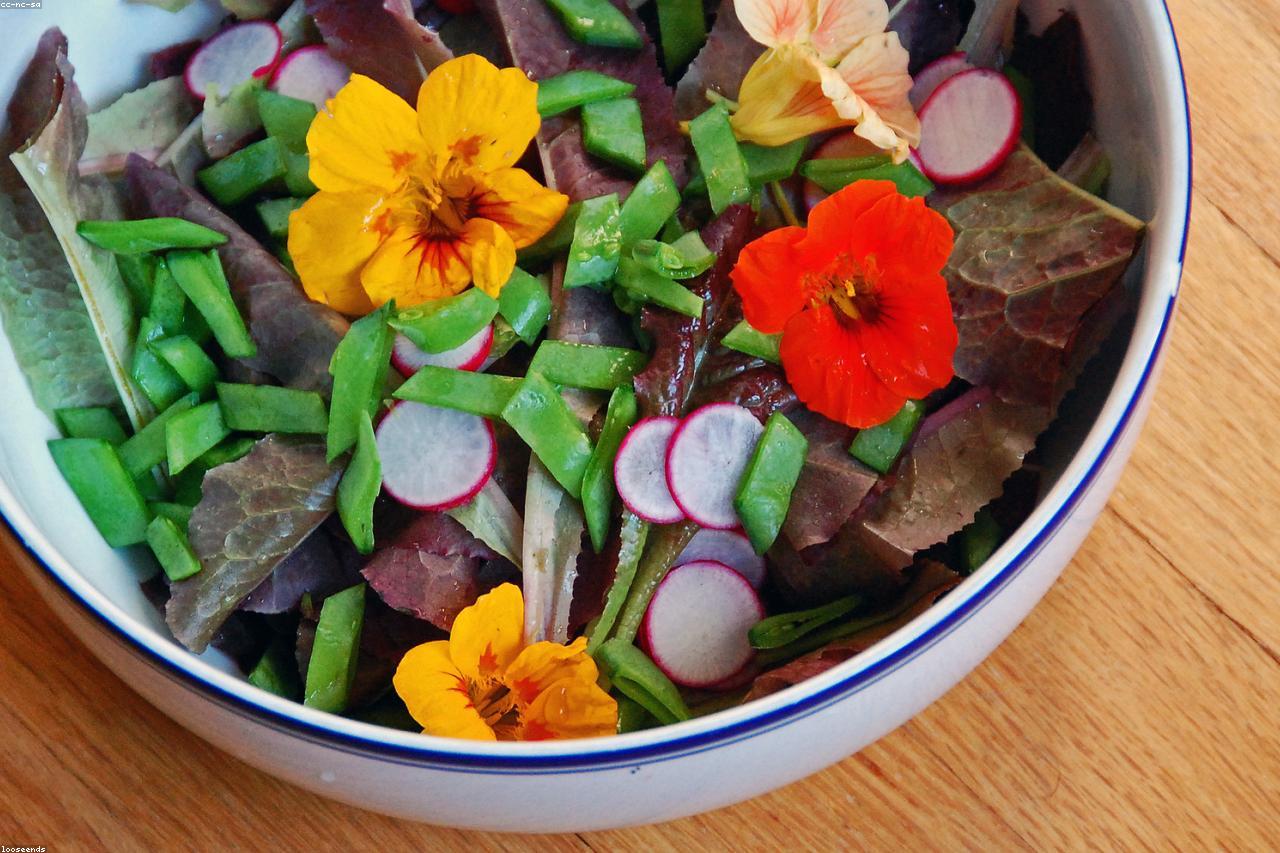
- Lettuce. Cool-season crop. Plant early spring and early autumn. Cut-and-come-again leaf varieties (Salad Bowl, Black-Seeded Simpson) produce for weeks per planting.
- Radishes. 25 to 35 days from seed to harvest. Almost no failure rate. Plant every two weeks in spring and autumn for continuous supply.
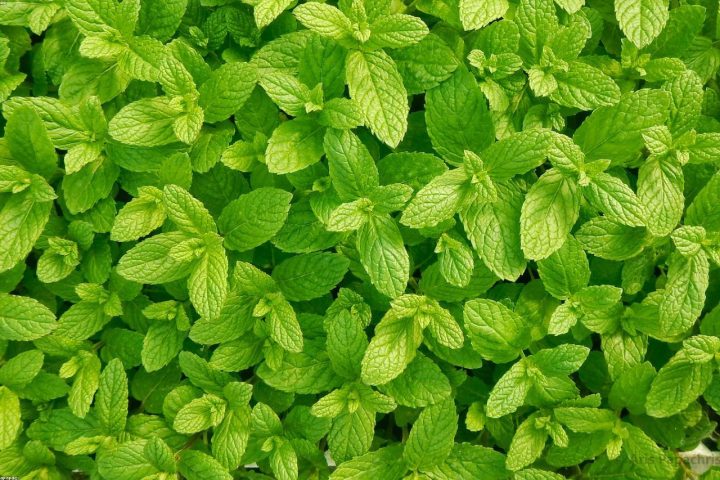
- Basil. Annual herb, easy from seed or transplant. Plant after last frost in a warm sunny spot. Pinch flowers to keep leaf production going.
- Snap peas (sugar snap). Cool-season crop, plant very early spring. Climbing varieties on a simple trellis produce abundantly. Eat pods whole, raw or cooked.
- Garlic. Plant in autumn, harvest the following summer. Almost entirely hands-off through winter. One head produces 8-12 cloves at harvest.
What to leave for year two
Some popular vegetables are difficult enough in the first year to recommend skipping. Returning to them in year two, after you have built basic gardening skills and improved your soil, leads to much better results.
Brussels sprouts. Long season (90-120 days), pest-prone (cabbage worms), require steady cool weather. Hard to time correctly in zones with hot summers.
Cauliflower. Very particular about temperature and moisture. Even slight stress produces small heads or no heads at all. Easier in year two with more soil understanding.
Carrots. Require very loose well-prepared soil to develop properly. First-year garden soil typically has too many lumps and compaction. Wait for year two or three.
Melons. Long season, lots of space required, susceptible to fungal disease in humid climates. Beginners often plant one or two plants in too small a space.
Asparagus. Worth growing, but takes three years from planting to first real harvest. Better to start a permanent asparagus bed in year two when you understand your soil better.
Heirloom large tomatoes. More fragile than cherry types, susceptible to cracking, blossom-end rot, and disease in the first year before you have learned watering and feeding patterns.
A first-year planting calendar
For zone 6-7 (most of the eastern US north of Atlanta):
- Late February to early March: plant garlic (better in autumn, but late winter planting works)
- Mid-March: plant snap peas, early lettuce, radishes (direct seed in garden)
- Late April to mid-May (after last frost): plant bush beans, basil, transplant cherry tomato seedlings, plant zucchini
- Late August: plant fall lettuce, radishes, possibly cool-season crops if interested
- October: plant garlic for next year’s harvest
A simple bed layout for the first year
For a 4×8 bed:
One end (north end): 1 cherry tomato (caged or staked, will grow tall), 1 zucchini, 1 basil cluster (3 plants).
Middle: a 2×4 section divided into thirds for succession planting (lettuce in early spring, beans in early summer, more lettuce in autumn).
Other end (south end): a 2×4 section for snap peas on a low trellis in spring, then bush beans in summer.
Edges: 12-inch border of marigolds and basil for pollinator support.
Garlic gets its own corner planted in autumn for next year.
This layout produces a meaningful harvest of basics (tomatoes, summer squash, beans, lettuce, herbs) with manageable maintenance for a first-year gardener.
The maintenance routine that fits a working week
A first-year garden needs roughly the following weekly attention.
- Monday morning (10 minutes): walk the garden, note what needs attention
- Wednesday evening (15 minutes): light weeding, check water if no rain, harvest what is ready
- Saturday morning (45 minutes): deeper weeding, harvest, succession-plant if needed, water deeply
- Total weekly time: about 1 hour 15 minutes
Common first-year mistakes
Three errors account for most first-year disappointment.
Planting too much. The classic mistake. A garden twice the size you can maintain produces less, not more, because most of it gets neglected. Start small and expand as you learn.
Planting too closely. Seed packets recommend specific spacing for a reason. Plants crowded together produce smaller harvests and have more disease. Use the recommended spacing or even slightly more.
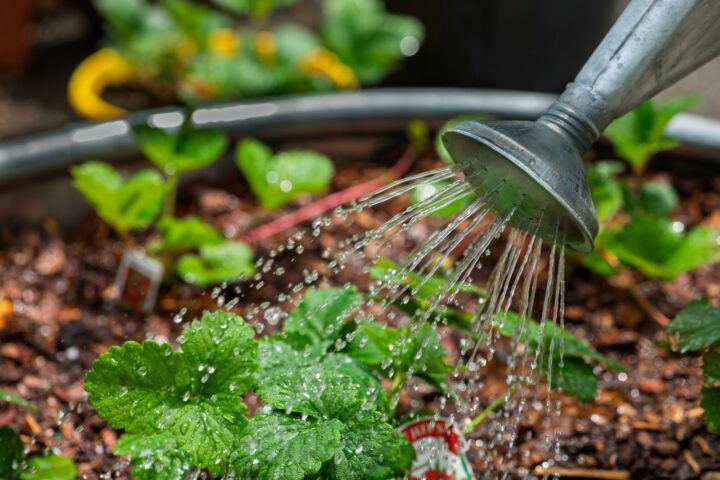
Watering inconsistently. The number one reason first-year tomatoes crack and blueberries die is irregular watering. Set up a consistent schedule (twice weekly deep watering is better than daily light) and stick to it.
A first-year garden of eight reliable crops in a 4×8 bed produces real food and builds the foundation for many years of better gardening. Start small, choose forgiving plants, water consistently, and resist the urge to do too much. Year two will be dramatically better than year one. Year five will surprise you.
The crops we secretly recommend skipping
Year one is for building confidence, not for ambitious projects. Several popular crops are commonly recommended to beginners but produce disappointing results that discourage continued gardening.
Peppers, especially hot peppers, often disappoint in year one. They need warmer soil and longer seasons than most northern zones provide. The slow germination, slow growth, and late harvest test new gardeners’ patience. Save peppers for year two when you have soil and irrigation refined.
Corn requires planting in blocks (at least 4-by-4 feet) for adequate pollination. A single row of corn rarely produces filled ears. The space commitment is significant for the yield, and the harvest window is narrow. Beginners often plant too few corn plants and end up with poor pollination.
Asparagus is wonderful but requires a 3-year wait from planting to first real harvest. Year one beginners often plant asparagus expecting harvest the next year and abandon it before it produces. Save asparagus for year two or three when you can commit to the patient timeline.
Brussels sprouts are pest-prone and require a long cool finish to develop tight heads. In hot summer climates they routinely disappoint. The long growing season ties up garden space that could produce multiple shorter crops.
None of these are bad crops; they just are not first-year crops. Build foundational success with the easier crops first.
Related reading from the journal
Readers of this guide often turn next to Companion Planting That Actually Works, Container Vegetables That Outperform In-Ground Ones, and From Garden to Pantry: Preserving Your Harvest.
Further reading
Trusted references we consulted while researching this piece. All external.