Container vegetables are usually presented as a compromise: what you do when you do not have a real garden. For some crops, this framing is wrong. A handful of vegetables actually perform better in well-sized containers than in typical in-ground beds, often by a significant margin.
After several seasons of growing the same varieties side by side in raised beds and large containers, we have eight clear winners for container culture. The reasons vary by crop, but the pattern is consistent enough to share.
Why some crops prefer containers
Three factors give containers an advantage over in-ground beds for certain crops.
Warmer soil. Containers above the ground warm faster in spring and stay warmer in cool weather. Heat-loving crops benefit from this earlier start and longer warm-soil period.
Controlled drainage. A well-built container drains thoroughly with every watering, preventing the waterlogging that some crops cannot tolerate. Container plants rarely suffer from poorly-drained-soil problems.
Customized soil. Container mixes can be tailored exactly to a specific crop’s needs. Mediterranean herbs get lean fast-draining mix; vegetables get rich moisture-retaining mix. The compromise that an in-ground bed must make for multiple crops is unnecessary in containers.
Pest isolation. Many soil-dwelling pests (root maggots, certain nematodes) do not migrate into containers. Container plants escape problems that plague in-ground versions.
Eight crops that win in containers
These crops consistently outperform their in-ground counterparts in well-managed container settings.
- Strawberries. Avoid soil-borne diseases and slug pressure. Day-neutral varieties produce continuously from elevated containers.
- Herbs (Mediterranean): rosemary, thyme, oregano, sage prefer lean fast-draining mix that is hard to achieve in heavy garden soil.
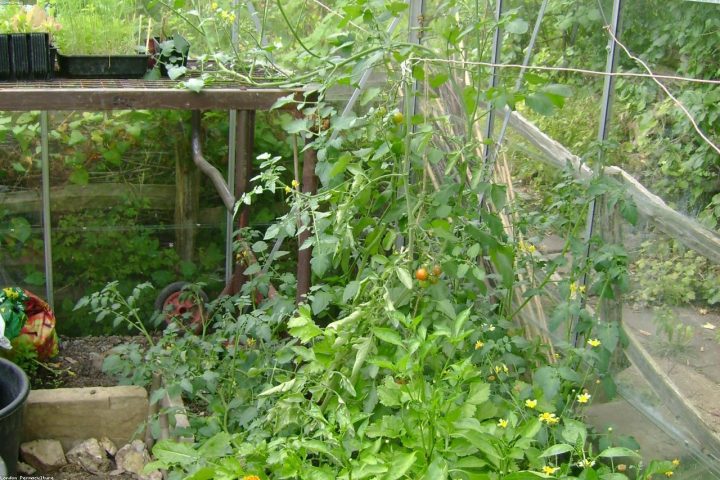
- Tomatoes (with appropriate container size): warmer soil produces earlier harvest; controlled watering reduces cracking.
- Peppers (especially hot peppers): warmer container soil produces larger harvests; many varieties thrive in 5-gallon containers.
- Eggplant: heat-loving crop that benefits from elevated warmer soil; produces more reliably in containers than in ground in cool-summer climates.
- Lemongrass: needs to overwinter indoors in cold climates; container culture allows this without disturbance.
- Sweet potatoes (vining varieties): warmer container soil dramatically increases yield; tubers form easier in loose container mix than in compacted garden soil.
- Onions and shallots: bulb formation benefits from the loose well-drained soil of containers; less likely to rot from spring rains.
Container size: the critical variable
The benefits described above only show up with adequately sized containers. Undersized containers produce stunted plants regardless of crop selection.
- Strawberries: 6-inch deep, surface area for spreading; strawberry pots or shallow troughs work well
- Mediterranean herbs: 8-12 inch containers per plant; larger for established perennial herbs
- Tomatoes: 10-gallon minimum for indeterminate varieties; 5-gallon acceptable for compact determinate types
- Peppers: 5-gallon for most varieties; 3-gallon acceptable for small compact types
- Eggplant: 5-gallon minimum
- Sweet potatoes: 15-gallon minimum; depth more important than width
- Onions: 10-12 inch deep containers with surface area; plant 6 inches apart
Container soil that produces well
Container soil mix matters enormously. Bagged “potting soil” varies wildly in quality. The mix that produces excellent results consistently:
For general vegetables: 50% high-quality bagged potting mix, 30% compost (homemade or quality bagged), 20% perlite for drainage.
For Mediterranean herbs: 50% bagged potting mix, 20% compost, 30% coarse sand or fine gravel for sharp drainage.
For heavy feeders (tomatoes, peppers, eggplant): same as general mix, but add a handful of slow-release organic fertilizer (bone meal or alfalfa meal) at planting time.
Avoid: pure topsoil or garden soil in containers (drains poorly); cheap potting mixes with high peat content and no drainage amendment; reused mix from previous season without refreshing (depleted).
The watering challenge
Container plants need more watering than in-ground plants, often dramatically more. A 5-gallon tomato container in summer needs daily watering, sometimes twice daily during heat waves.
Self-watering containers (sub-irrigated planters with a built-in reservoir) cut watering needs significantly. A 10-gallon self-watering tomato container holds enough water for 4-5 days even in summer heat. The investment ($30-$60 per container) pays back in time and consistent plant performance.
For multiple containers, a drip irrigation system with a battery timer ($50-$100 setup) automates daily watering. This is worth the investment if you have more than 4-5 containers; the daily watering chore becomes a 5-minute weekly check.
A productive container setup
For a typical patio or balcony of 50-100 square feet:
One 10-gallon self-watering container with an indeterminate cherry tomato (Sungold or Sweet 100), staked 6 feet tall.
One 5-gallon self-watering container with a bush pepper plant.
One 5-gallon container with an eggplant.
Three 8-12 inch containers with herbs: rosemary in one, thyme in one, mixed annual herbs (basil, parsley, cilantro) in the third.
One 6-inch deep strawberry container or pot with 3-4 plants.
One 12-inch container with green onions (replant every 6 weeks).
Total: 8 containers. With drip irrigation and a timer, daily attention drops to 5-10 minutes. Output: dozens of meals of tomatoes, peppers, eggplant, herbs, strawberries, and onions per season.
Containers are not always the second-best option. For some crops, they produce better than in-ground beds, often substantially so. Strawberries, Mediterranean herbs, hot peppers, eggplant, and sweet potatoes all benefit from container culture. Choose appropriate container sizes, mix proper container soil, and set up reliable watering, and you will produce serious harvests from spaces too small or too unsuitable for in-ground gardening.
The hidden cost of small containers
Small containers fail in ways that take new gardeners by surprise. The plants seem fine through May and June, then collapse in July when conditions get hard. Understanding why prevents the disappointment.
A 1-gallon container holds about 5 inches of soil depth. In a typical summer, that depth dries from the surface to the bottom within a single hot afternoon. The plant’s roots experience temperature swings of 30+ degrees Fahrenheit between morning and afternoon, plus moisture swings from saturation to bone dry. Cumulative stress accumulates faster than the plant can recover from.
A 5-gallon container holds about 10 inches of soil depth. The deeper soil moderates both temperature and moisture significantly. Daily drying happens but only the top few inches dry out; roots in the lower zone remain comfortable. Plants in 5-gallon containers handle summer heat dramatically better than the same plants in 1-gallon pots.
A 10-gallon container is the sweet spot for tomatoes and peppers. Self-watering versions of these sizes extend the watering interval to several days even in heat waves, which is what makes container vegetables genuinely competitive with in-ground beds. Larger containers always perform better; budget upward when in doubt.
Related reading from the journal
If you found this useful, you may also like From Garden to Pantry: Preserving Your Harvest, How to Garden When You Travel Often, and Garlic, Onions, and Other Crops That Practically Grow Themselves.
Further reading
Trusted references we consulted while researching this piece. All external.