A garden that needs daily attention is incompatible with frequent travel. Conventional gardening advice assumes a gardener who is home most days, watering, deadheading, and harvesting on a regular rhythm. For people who travel for work, who go away most weekends, or who simply have unpredictable schedules, the standard garden becomes a source of stress rather than pleasure.
A garden designed for travel-prone households looks different. The plant choices are different, the watering systems are different, and the maintenance rhythm accommodates absence rather than fighting against it. We have developed this approach gradually as our travel patterns changed; the garden now survives weekly trips cleanly.
The plants that tolerate absence
Some plants are inherently more forgiving of inattention than others. Building a garden around these creates a foundation that handles travel naturally.
- Perennial vegetables and herbs: asparagus, rhubarb, established herbs (thyme, sage, oregano, rosemary), perennial onions, garlic
- Self-managing crops: bush beans (single harvest), garlic (zero attention after planting), winter squash (long ripening, one harvest)
- Native perennials: drought-tolerant perennial flowers, native shrubs, mature trees
- Low-maintenance ground covers: creeping thyme, sedum, native grass meadows
- Self-sowing annuals: dill, calendula, borage, cosmos (they return without planting)
The plants to avoid (or minimize)
Some popular garden plants demand constant attention. For travel-prone households, these become problem plants.
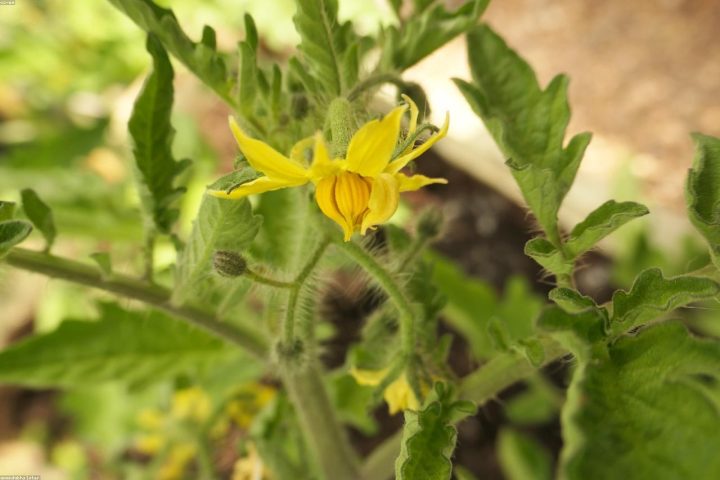
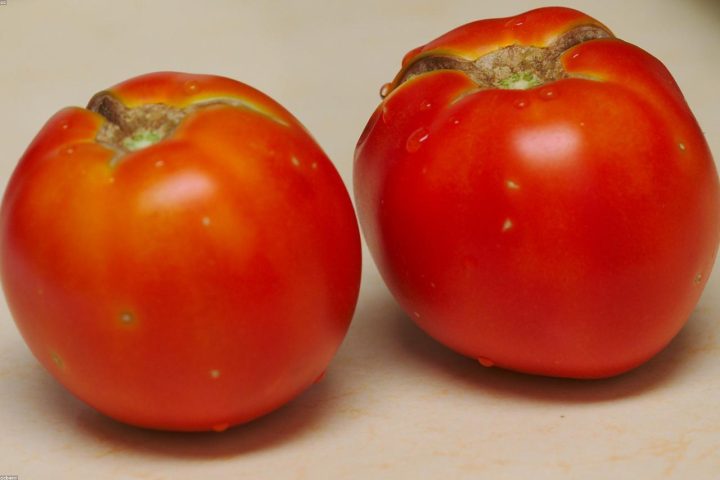
Indeterminate tomatoes: need daily harvest at peak season, pruning, support. Skip or limit to one or two plants.
Cucumbers and zucchini: produce so quickly that 3 days without harvest results in foot-long bitter cucumbers and basketball-sized zucchini.
Greens for continuous harvest: lettuce, arugula, spinach in summer require daily attention to prevent bolting and to harvest at the right size.
Container plants requiring daily watering: any container in summer heat needs daily care. Reduce container count or shift to self-watering containers.
Annual flowering plants needing deadheading: zinnias, marigolds, cosmos benefit from regular deadheading; without it, they slow blooming.
Watering systems that run without you
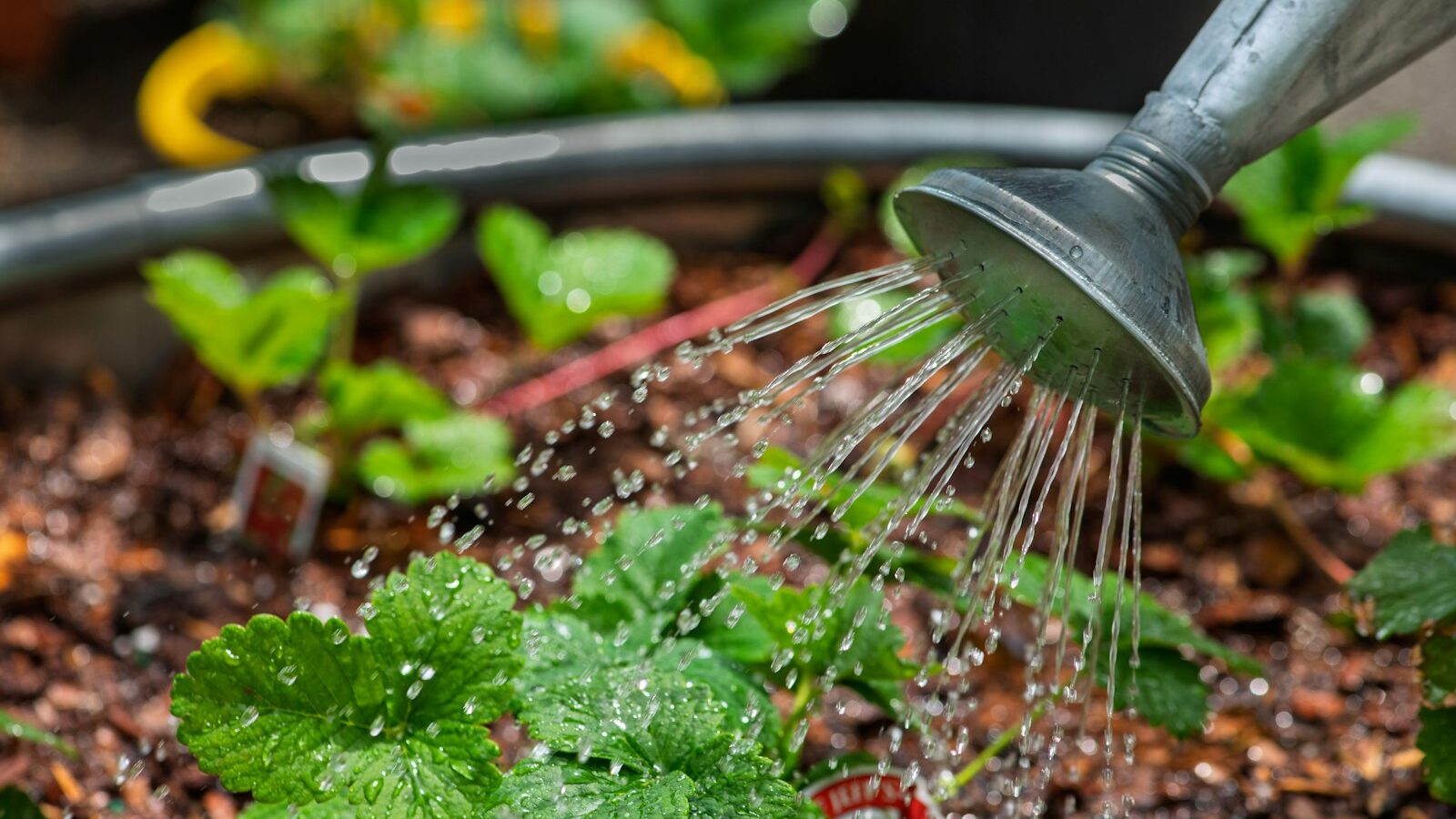
Watering is the single biggest challenge for traveling gardeners. Three systems handle this well.
Drip irrigation with a timer. The most reliable solution. A $40-$80 setup with a battery-powered timer at the spigot runs your garden on a schedule. Set it to water every other day for 30-40 minutes in summer; the garden does not notice your absence. Reliability is excellent if you check the battery and replace it once per season.
Self-watering containers. A built-in reservoir provides moisture for 3-5 days even in summer heat. Best for container gardens where in-ground irrigation is impractical. The investment ($30-$60 per container) eliminates daily watering for containers.
Soaker hoses with timer. Cheaper than drip but less precise. Adequate for established perennial beds where exact targeting is not critical. The $20 timer is the key component.
Design choices that reduce attention
Several design decisions reduce the daily attention a garden needs.
Mulch heavily. A 3-4 inch mulch layer suppresses weeds (less weeding required) and retains soil moisture (less frequent watering needed). This single intervention reduces total garden maintenance by 40-60%.
Group plants by water needs. Drought-tolerant plants together, thirsty plants together. This lets you water (or skip watering) groups appropriately rather than fighting individual mismatches.
Skip the unnecessary precision. Tightly spaced rows, exact alignments, and perfect edge lines all require constant attention. Looser plantings with mulch tolerate neglect more gracefully.
Use durable hardscaping. Permanent paths, raised bed walls, and structural elements never need attention. Replace lawn and bedding plants with permanent installations where possible.
The neighbor arrangement
A reliable neighbor who can check the garden during longer trips is one of the most valuable resources a traveling gardener can have. The arrangement does not need to be elaborate.
Find a neighbor who likes vegetables. Offer them anything ripe in the garden in exchange for occasional checking. Walk them through the garden once at the start of the season so they understand the layout. Leave a small basket near the gate for them to use.
For trips longer than 5-7 days, ask them to walk through every 3-4 days to harvest anything ripe (preventing rot), look for obvious watering system failures, and pick anything tender that needs attention.
The arrangement is mutually beneficial. Your garden gets cared for, your neighbor gets fresh vegetables they would not have grown themselves. We have had this arrangement with neighbors for years; the produce trades have built genuine friendships.
A travel-compatible garden plan
For a household that travels frequently:
Primary garden: 60% perennial plantings (herbs, fruit, asparagus, rhubarb), 25% low-maintenance annuals (bush beans, winter squash, garlic), 15% intensive crops (cherry tomatoes, herbs, lettuce) that you actively manage.
Automatic drip irrigation throughout, on a battery timer. Test weekly during the at-home periods.
Heavy mulch (3-4 inches) on all beds and around all plants. Refresh annually.
Neighbor arrangement for extended trips. Light check-ins for trips 3-7 days; more involved checking for longer absences.
Container plants minimized; what remains should be self-watering or part of the drip system.
Total weekly attention during at-home periods: 1-2 hours. During travel periods: 0 hours (with neighbor backup as described).
A productive garden is compatible with frequent travel if it is designed for that reality. Perennial plants over annual ones, automated watering over hand watering, mulch over bare soil, and a neighbor arrangement for backup. The garden you can sustain through travel is different from the magazine garden, and often more interesting and ecologically meaningful besides.
What to leave a trusted neighbor with
For longer trips, a thoughtful handoff to a trusted neighbor makes the difference between coming home to a thriving garden and coming home to a disaster. The handoff matters more than the technical irrigation setup.
Write a simple one-page note covering: which beds and containers need attention, how often, what to look for as warning signs, where the spigot and shut-off valve are if the irrigation fails, and a few notes about what to harvest. The neighbor probably will not memorize this but will refer back to it when uncertain.
Leave a basket or bag for the harvest. Make explicit that anything ready can be taken home. This is the actual incentive that sustains the arrangement; the neighbor benefits as much as you do.
Walk the garden with the neighbor once before leaving. Show them what is ripe, what is close to ripe, where the timer is located, where the shut-off valves are. Five minutes of in-person orientation prevents an hour of confused texting later.
One last detail: bring back something from the trip for the neighbor as thanks. The relationship is mutually beneficial and worth maintaining. We have had the same garden neighbor for six years now; the trades go in both directions and the connection has become a genuine friendship.
Related reading from the journal
Other entries worth your time: Garlic, Onions, and Other Crops That Practically Grow Themselves, Growing Tomatoes Without the Usual Heartbreak, and Late-Season Sowing for an Extended Harvest.
Further reading
Trusted references we consulted while researching this piece. All external.