Winter watering is a topic that splits gardeners into two confident camps: those who insist on careful watering through the cold months and those who shut the spigot off in October and ignore the garden until April. As with most things in the garden, neither camp is entirely right.
Different plants in different climates have genuinely different needs through winter. The rule “stop watering in winter” works for some situations and ruins others. This guide breaks down when winter watering matters, when it does not, and how to do it well when it does.
Why winter watering matters more than you think
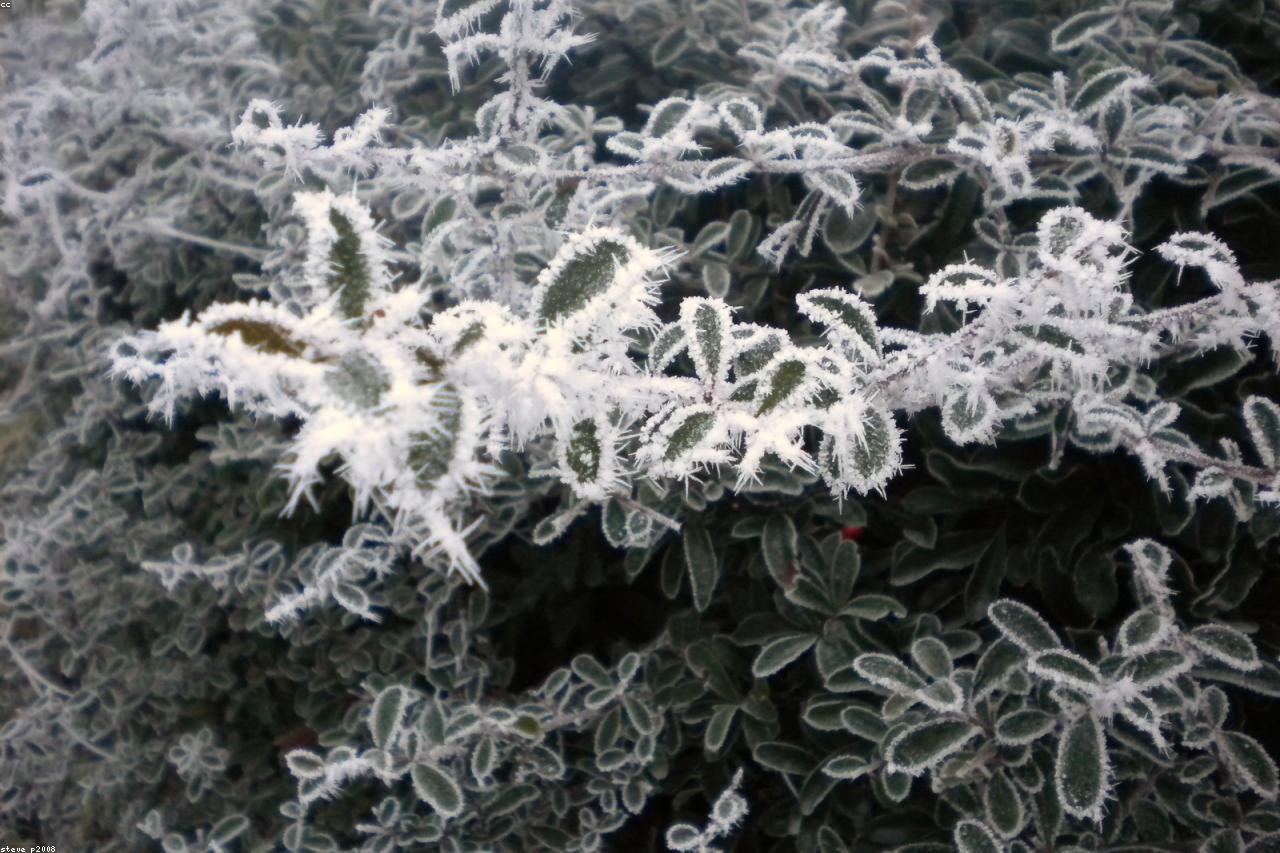
Plants do not stop using water in winter. They use less, but they continue to lose moisture through their tissues, especially evergreens that hold their leaves through the cold season. A dry winter, especially one with cold dry winds, can damage or kill plants that would have sailed through a snowy winter unharmed.
The most vulnerable plants are new plantings (anything in its first or second year), evergreens (broadleaf and needled), and shallow-rooted shrubs. Established perennials, deciduous trees, and dormant lawns are generally fine. Container plants are highly vulnerable; their roots have nowhere to go for moisture and can desiccate quickly in cold dry weather.
The three winter conditions to watch for
Three conditions create the risk that warrants winter watering. If your climate has any of these regularly, plan to water selectively through the cold months.
- Dry winters with little snow cover. Snow insulates soil and slowly releases moisture. A snowless winter with daytime temperatures above freezing is a desiccation risk for evergreens.
- Strong winter winds. Wind dries foliage and soil. Plants on the windward side of structures suffer more than those in sheltered locations.
- Mid-winter warm spells. Above-freezing days in January and February pull moisture from plant tissues. If those spells last a week and the soil is dry, plants need water.
When to stop, when to continue
For most northern climates (zones 4-6), the pattern looks like this:
- October: deep autumn soak for all plants, especially newly planted trees and shrubs
- November-December: water during dry stretches if soil temperature is above 40F; otherwise let the garden rest
- January-February: water only during mid-winter warm spells longer than 5 days when soil is unfrozen
- March: resume regular watering as plants break dormancy
Plants that genuinely need winter water
Some plants are notably more demanding in winter than others. Pay particular attention to these if you have them.
Broadleaf evergreens like rhododendrons, azaleas, hollies, and boxwoods continue to transpire all winter through their leaves. Without occasional water during dry warm spells, they desiccate visibly by spring.
Newly planted trees and shrubs in their first winter need particular attention. Their root systems have not extended into the surrounding soil yet, and they cannot find their own water if the immediate root zone dries out.
Container plants, including potted herbs and outdoor ornamentals overwintering on a porch, dry out far faster than in-ground plants. Check container moisture every two weeks at minimum through winter.
How to water in winter without damage
Two cautions matter when winter watering. First, water in late morning so the soil has hours to absorb before night-time freezing. Avoid evening watering, which can leave standing water that freezes at the surface and damages roots.
Second, water deeply but infrequently. Two or three deep soaks across a typical winter are more useful than ten shallow ones. A deep soak penetrates below the freeze zone and supplies water that plants can access during warm spells.
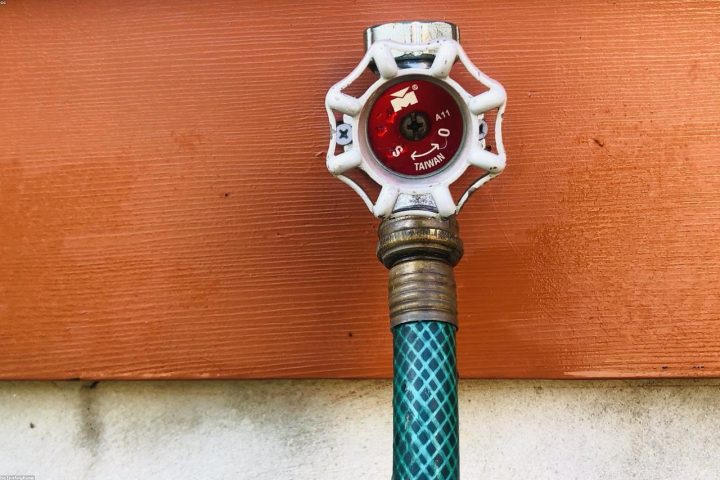
Disconnect outdoor hoses and drain spigots after watering; even brief overnight freezes split garden hoses and damage outdoor plumbing. We learned this the hard way and now do it after every winter watering session as part of the routine.
A simple winter check
Every two weeks through winter, walk the garden on a mild day. Push a long screwdriver into the soil at the base of a representative evergreen and a representative new planting. If the screwdriver slides easily six inches, the soil is moist enough. If it stops at two or three inches, the soil is dry and a deep watering would benefit the plant.
Most winters require zero to two winter waterings in a typical zone 6 garden. Some dry-winter years need three or four. The check tells you which year you are having.
Winter watering is not constant attention, but it is not zero attention either. Pay particular care to evergreens and new plantings, watch for the dry warm spells that trigger desiccation, and water deeply during mild stretches. Most winters need only a few interventions; some need none. The garden tells you which.
The “is it warm enough?” checklist
Before any winter watering session, run through three quick checks. If all three are true, water; if any are not, wait.
- The air temperature has been above freezing for at least 24 consecutive hours, with daytime highs above 45F
- The soil is unfrozen when tested with a screwdriver pushed four inches in (it should slide, not bounce off frozen crust)
- The forecast shows no hard freeze (below 28F) in the following 48 hours
The 48-hour forecast window matters because water poured into soil shortly before a deep freeze can damage roots through ice expansion in tight soil pores. Spread a deep winter soak across a mild window, give the soil time to absorb, and the plants benefit. Force a watering before an arriving cold front and the same intervention can hurt.
One last consideration: a thermometer placed in the mulch layer of an exposed bed tells you more about plant stress than the morning weather report. Mulch temperature lags the air by several hours and tells you what the roots are actually experiencing. We keep a cheap soil thermometer near our most cold-sensitive shrubs and check it whenever we are considering a winter pour.
Related reading from the journal
Readers of this guide often turn next to Drip Irrigation 101: A Realistic Home Setup Guide, 12 Drought-Friendly Plants That Stay Beautiful Without Pampering, and Gray Water Gardening: What Works and What to Avoid.
Further reading
Trusted references we consulted while researching this piece. All external.