A tree is the single most important plant a garden can have. It provides structure, shade, habitat, seasonal interest, and a sense of permanence that no perennial bed can offer. The mistake most homeowners make is choosing trees too large for their property; a 60-foot oak in a small yard becomes a problem within a decade.
The six trees below all stay small enough for typical residential properties (mature heights of 15-25 feet) while still offering the full range of benefits a larger tree would provide. We have planted three of these on our own property and have helped friends plant the others. Each one is reliable, well-behaved, and provides decades of pleasure.
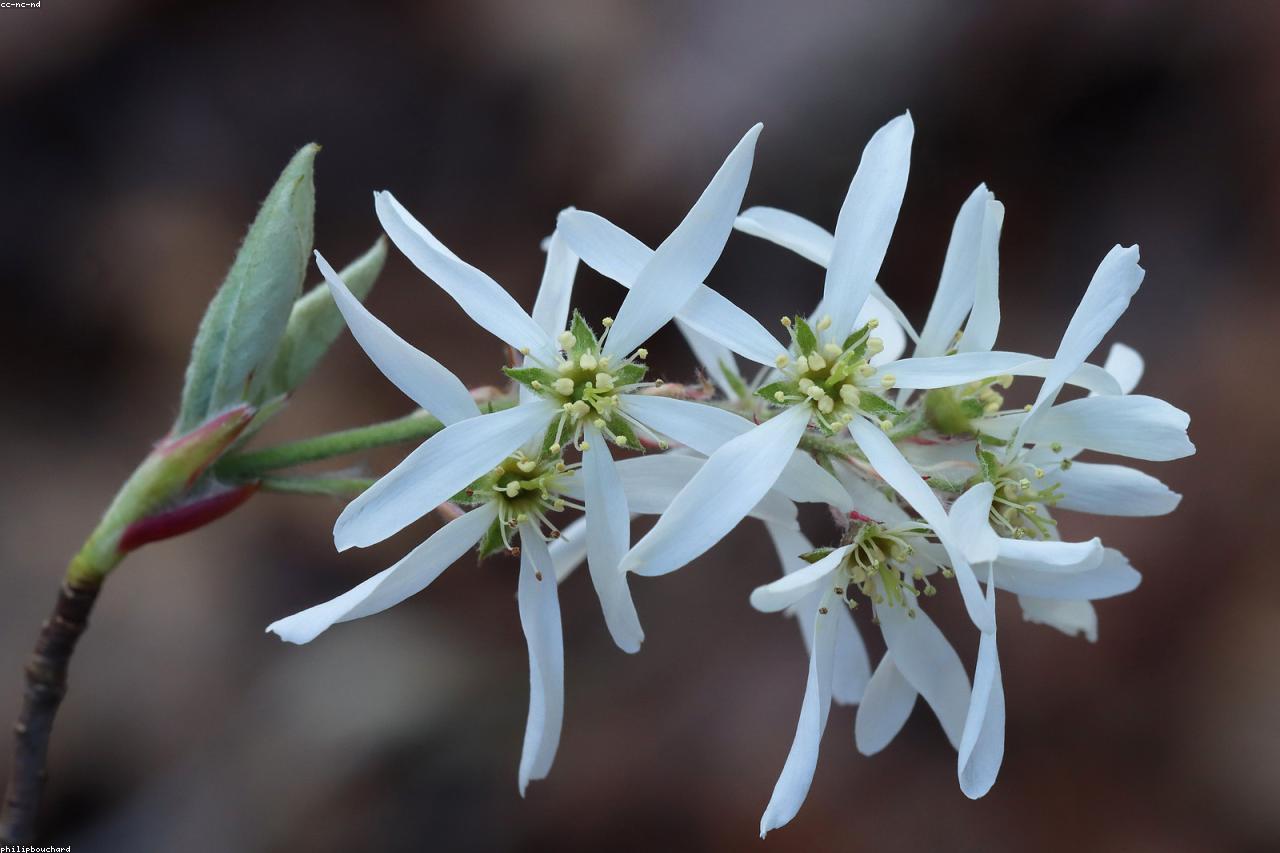
Serviceberry (Amelanchier canadensis)
The serviceberry is the most underused small native tree in eastern North America. It produces white flowers in early spring (one of the earliest blooming trees), edible blue-purple berries in summer (delicious if you can beat the birds to them), and brilliant orange-red foliage in autumn. Multi-season interest from a single plant.
Mature size: 15-25 feet tall, 10-15 feet wide. Growth rate: moderate (1-2 feet per year). Zones 4-9. Tolerates a wide range of soils. Prefers full sun to partial shade.
Why it works in a small garden: relatively compact, attractive throughout the year, supports birds and pollinators, no significant pest or disease issues. The native species supports more wildlife than ornamental amelanchier cultivars.
Redbud (Cercis canadensis)
Eastern redbud is the small tree most people fall in love with on first sight. Its lavender-pink flowers cover bare branches before the leaves emerge in early spring, producing a startling cloud of color that lasts for several weeks.
Mature size: 20-30 feet tall, 15-25 feet wide (varieties range smaller for tight spaces). Growth rate: moderate. Zones 4-9. Tolerates a wide range of soils. Full sun to partial shade.
Why it works in a small garden: the early spring bloom is unmatched. The heart-shaped leaves provide good summer shade. Autumn color is yellow but variable. Some varieties (Forest Pansy, Hearts of Gold) offer additional foliage color.
Native dogwood (Cornus florida)
Flowering dogwood is the classic American small tree. White (or pink) flowers in April-May, attractive horizontal branching, red berries in autumn that birds love, brilliant red-purple autumn foliage.
Mature size: 15-25 feet tall, similar spread. Growth rate: slow to moderate. Zones 5-9. Prefers slightly acidic, well-drained soil. Best in partial shade.
Why it works in a small garden: the silhouette is one of the most beautiful of any small tree. Strong four-season interest. Important caveat: native dogwood is susceptible to anthracnose disease in some regions, particularly in heavy shade with poor air circulation. Choose disease-resistant cultivars (Appalachian Spring is one) for problem areas.
Japanese maple (Acer palmatum)
Japanese maples are the classic small ornamental tree, with hundreds of cultivars in various sizes, leaf forms, and colors. Choose carefully; sizes range from 6-foot dwarfs to 25-foot specimens.
Mature size: 6-25 feet depending on cultivar. Growth rate: slow. Zones 5-9. Prefers moist, well-drained soil. Best in partial shade in hot climates.
Why it works in a small garden: extraordinary range of sizes and colors. The “Bloodgood” cultivar (deep red) is reliable in zones 5-8 at 15-20 feet. Smaller cultivars fit tiny spaces. Note: not native, so ecological value is lower than the other options here. Best used as an accent rather than a wildlife-supporting tree.
Crabapple (Malus species)
Modern disease-resistant crabapple varieties produce spectacular spring flowers (white, pink, or red), small ornamental fruits in autumn that persist into winter, and good autumn foliage color. They are also excellent for birds (the persistent fruits feed cedar waxwings and robins through autumn and early winter).
Mature size: 15-25 feet, varies by cultivar. Growth rate: moderate. Zones 4-8. Tolerates a wide range of soils. Full sun preferred.
Why it works in a small garden: dramatic spring bloom, persistent fruit display, supports wildlife well. Choose modern disease-resistant cultivars (Prairifire, Adirondack, Donald Wyman) over older varieties susceptible to scab and rust.
American hornbeam (Carpinus caroliniana)
The hornbeam (sometimes called musclewood or ironwood) is one of the most underused native trees for residential landscapes. It has a beautiful smooth silvery-gray bark that looks like rippled muscle, attractive serrated leaves, and yellow-orange autumn color. It tolerates almost any soil and grows reliably in partial shade.
Mature size: 20-30 feet tall, 20-30 feet wide. Growth rate: slow. Zones 3-9. Tolerates wet soils, dry soils, clay, and shade.
Why it works in a small garden: tolerates conditions that defeat many trees. The unusual bark is striking year-round. Native species support local insects and birds. It can also be pruned to a hedge if very tight space requires it.
Choosing for your specific site
The right tree for your garden depends on the conditions and the visual role you want it to play.
- For maximum spring drama: redbud or crabapple
- For four-season interest: serviceberry or native dogwood
- For tight spaces: japanese maple (compact varieties)
- For shade tolerance: hornbeam or serviceberry
- For wildlife value: serviceberry, native dogwood, or crabapple
- For tough conditions: hornbeam or hardy native serviceberry
- For autumn color: serviceberry or native dogwood
Planting one well
A tree planted well in autumn becomes one of the most enduring contributions you can make to a property. The basic steps:
Choose a healthy specimen from a reputable nursery (not a big-box store, where stock is often root-bound or stressed). Look for balanced branching, no major wounds, and roots that are not circling tightly in the pot.
Dig a hole twice as wide as the root ball but no deeper than the root ball itself. The top of the root ball should sit at or slightly above grade after planting.
Loosen any circling roots before planting. For container trees, score the sides of the root ball with a knife to encourage new root growth outward.
Backfill with the original soil. Do not amend the planting hole with compost or fertilizer; this encourages roots to stay within the hole rather than extending into the surrounding soil.
Water deeply immediately after planting. Mulch a 3-foot ring around the trunk (not touching the trunk) with 2-3 inches of organic mulch. Stake only if the site is windy; most trees do not need staking.
Water deeply through the first full growing season. By year three, the tree is largely self-sufficient.
A small tree is the longest-term investment a gardener makes. Choose well, plant carefully, water through the establishment year, and the tree becomes a permanent contribution to your property that benefits generations. The six trees above all earn their place; any of them would be a fine addition to a small garden.
Related reading from the journal
You might also appreciate Vertical Gardens on Real Apartment Walls, Designing for Year-Round Color Without Annuals, and Biodiversity-First Gardens: A Practical Beginner Plan from the journal.
Further reading
Trusted references we consulted while researching this piece. All external.