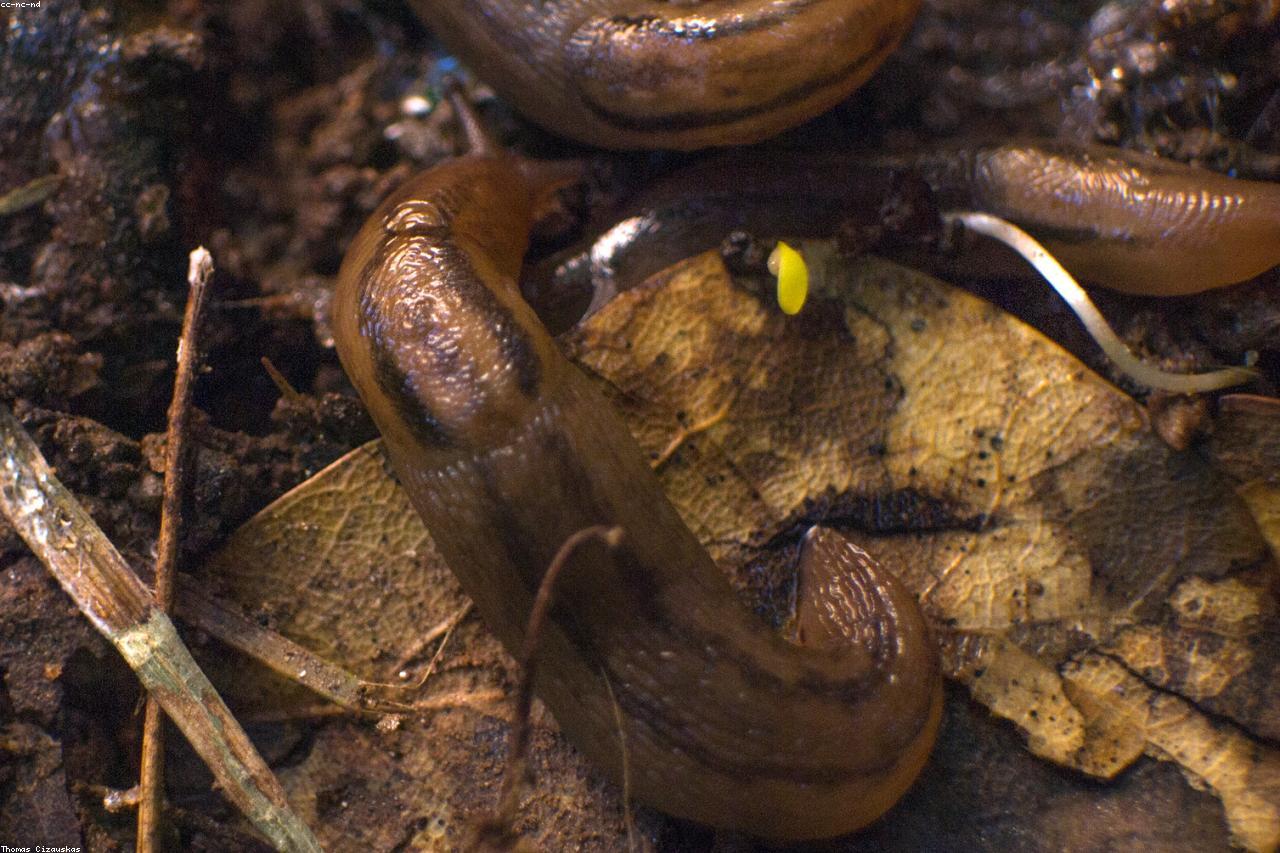
Slugs eat almost anything tender in a garden. They are particularly destructive to young seedlings, lettuce, hostas, strawberries, and any other low-growing soft-leaved plant. They feed at night and hide during the day, which makes them frustrating to control.
After several years of trying various methods (some embarrassingly ineffective), we have settled on a combination that works well. This guide compares the most common approaches based on actual results in our garden, not the claims in folklore articles.
Understanding what you are dealing with
A typical garden slug eats up to forty times its body weight per day. A small population can devastate a planting overnight, especially during damp warm weather when slugs are most active.
Slugs lay eggs in clusters in damp soil; a single slug produces hundreds of offspring per year. Heavy mulch, leaf litter, and rocks provide ideal egg-laying sites. Wet weather increases populations dramatically; extended dry stretches reduce them.
Method one: hand picking (effective but boring)
The most effective slug control is also the most tedious. Walk the garden after dark with a flashlight; slugs are visible feeding on plants. Pick them up with gloved hands or tongs and drop into a bucket of soapy water.
This is genuinely effective at population reduction. A single 30-minute evening pickup typically removes 50-100 slugs from a small garden. Repeat for several nights in a row and population drops dramatically.
The downside is the time and the need to do it at night. Most gardeners last 2-3 weeks of consistent picking before fading.
Method two: iron phosphate baits (the reliable choice)
Iron phosphate slug baits (sold as Sluggo, Escar-Go, and various organic-certified brands) are the most reliable slug control method we have used. The pellets contain iron phosphate (the active ingredient) and food attractants. Slugs eat the bait, stop feeding immediately, and die within 3-6 days.
Iron phosphate is safe for pets, wildlife, beneficial insects, and humans. It breaks down into nutrients that benefit plants. This makes it dramatically safer than older metaldehyde-based slug baits (which were toxic to pets and wildlife and are now discouraged or banned in many areas).
Apply scattered around vulnerable plants (lettuce, hostas, strawberries, young seedlings). Reapply every 2 weeks during damp weather. A single 1-pound container handles a typical small garden for a full season.
Method three: beer traps (modestly effective)
Beer traps work to a limited extent. Slugs are attracted to the yeast in beer, climb in, and drown. A shallow container (tuna can works) buried so the rim is at soil level, filled with cheap beer, catches slugs overnight.
The effect is real but localized. A single beer trap catches 5-15 slugs per night, mostly within a 3-foot radius. A small garden needs 4-6 traps to make a meaningful population dent. The traps must be refreshed every few days as the beer goes flat and the dead slugs accumulate.
This method is sometimes recommended as a primary control. In our experience it is a useful supplement, not a sole solution.
Method four: copper barriers (works in narrow conditions)
Slugs receive a mild electric shock when their slime touches copper. Copper strips around pots, raised bed edges, or specific plants can deter slug crossing.
The effect is real but requires complete coverage. A copper strip with any gap allows slugs to detour around the barrier. The copper also tarnishes over time; tarnished copper is less effective and may need cleaning.
Most useful for: protecting specific high-value plants (hosta collections, lettuce in containers) with complete barriers. Less useful for: open garden beds with multiple entry points.
Method five: ducks (the unconventional option)
For households with space and tolerance for poultry, ducks eat slugs voraciously. A small flock of 3-5 ducks can clear a typical home garden of slugs within a few weeks of access.
Ducks need water for drinking, a fenced area to contain them (and protect them from predators), and supervision when in active garden beds (they can damage tender seedlings while hunting slugs). Most home gardeners do not have the setup for this method.
For those who do, ducks are surprisingly effective slug control. The setup is involved but the maintenance is low.
What does not work
Several popular slug remedies have minimal effect in controlled trials.
Crushed eggshells. Slugs cross eggshells without trouble. The “abrasive” theory does not hold up in practice; slugs produce mucus that protects them from rough surfaces.
Coffee grounds. Same result. Slugs cross coffee grounds easily.
Salt. Effective at killing individual slugs (osmotic damage) but accumulates in soil where it damages plants long after. Avoid.
Hot pepper or garlic sprays. No measurable effect on slugs in trials.
Petroleum jelly on plant stems. Slugs detour around or simply do not encounter the barrier. Limited effect even where applied.
The combination that actually works
Our slug management combines several approaches based on the situation.
Spring (high slug season): apply iron phosphate bait to vulnerable beds (lettuce, seedlings, hostas) every 2 weeks. This handles the bulk population reduction.
During damp summer weather: spot apply iron phosphate to specific affected plants. Continue if damage continues.
For specific high-value containers: copper tape around pot rims.
For severe outbreaks: evening hand-picking sessions for 3-5 consecutive nights to crash the population.
Year-round prevention: maintain habitat that supports slug predators (ground beetles, garter snakes, toads). Avoid excessive mulch (which provides slug egg-laying habitat) in vulnerable beds.
Slugs are manageable rather than eliminable in most home gardens. Iron phosphate bait is the most reliable single method and works for most situations. Hand-picking is the fallback for severe outbreaks. The folk remedies (eggshells, coffee grounds, salt) are not worth the time. With a combined approach, slug damage drops from devastating to manageable within a single season.
Related reading from the journal
Other entries worth your time: Squash Vine Borers: A Realistic Defense Plan, Stopping Tomato Hornworms Without Pesticides, and Weed Barriers Compared: Newspaper, Cardboard, Wood Chips.
Further reading
Trusted references we consulted while researching this piece. All external.