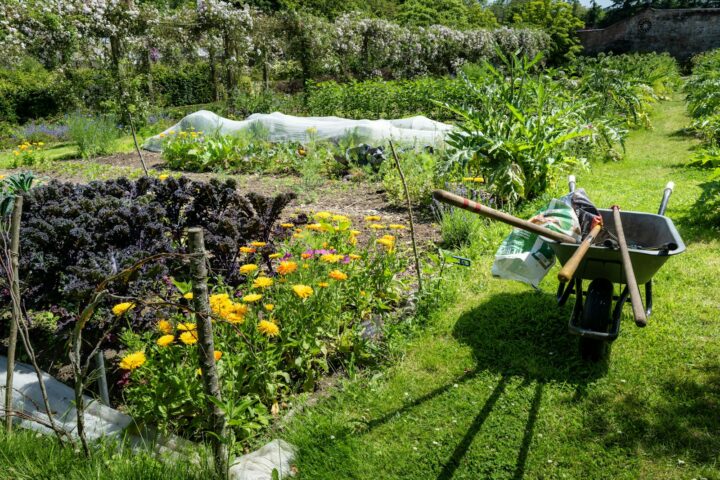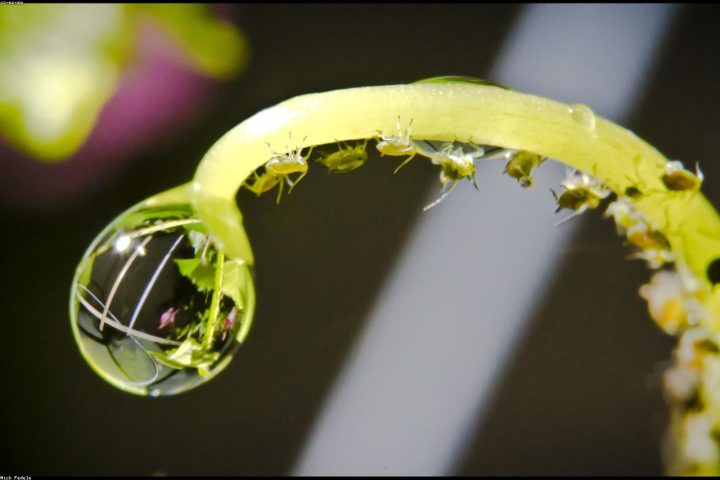
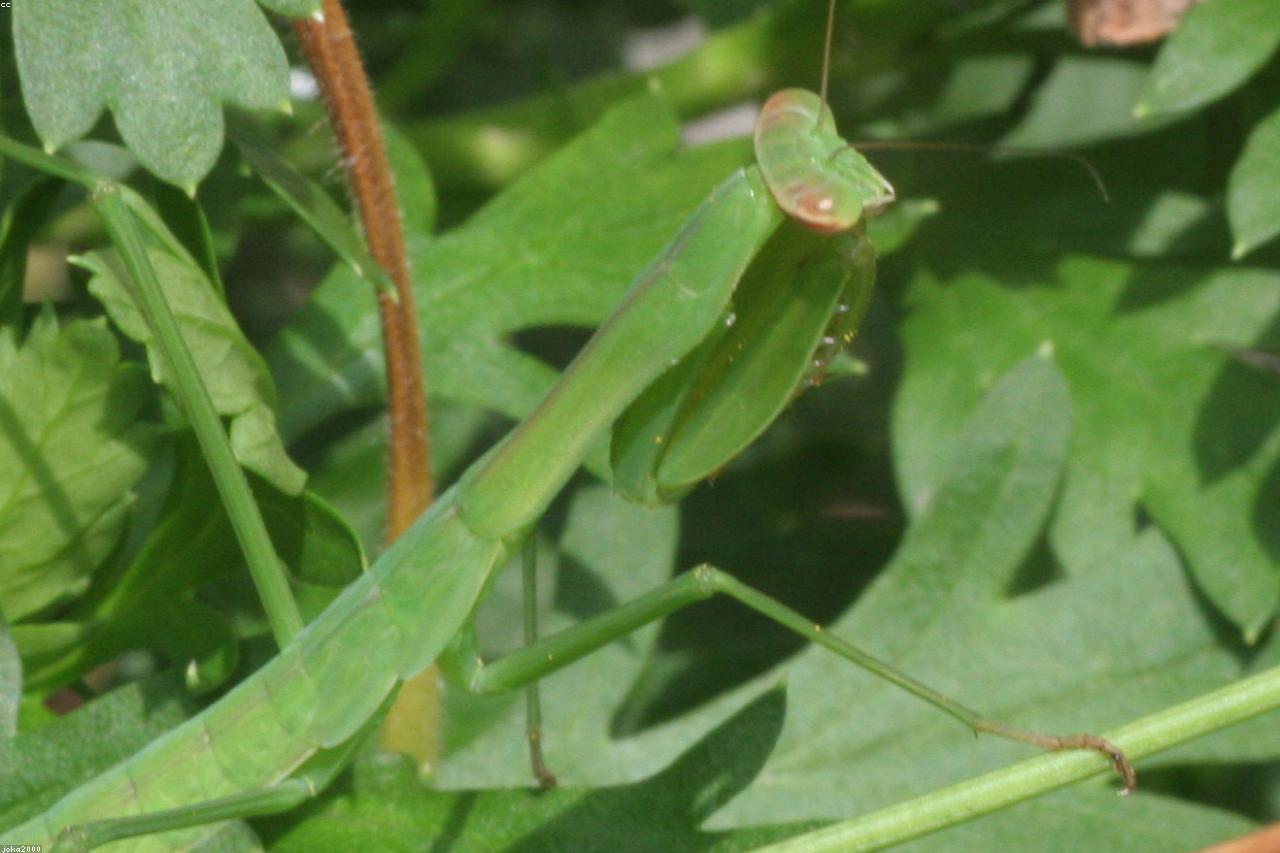
A garden free of pests sounds appealing until you understand what it actually means. A completely pest-free garden has no aphids, which means no ladybugs (no food for them). No caterpillars, which means no parasitic wasps. No slugs, which means no ground beetles. The predator insects that protect a garden from outbreaks need a baseline pest population to sustain themselves.
A garden tolerating modest pest populations is actually the most stable, productive garden long-term. This is counterintuitive enough that it takes most gardeners a few seasons to internalize. Once it clicks, garden management becomes dramatically easier.
The predator-prey relationship
Pest populations and predator populations track each other on a 2-3 week lag. Pests increase first (they have higher reproductive rates). Predators follow as food becomes abundant. Pest populations then crash as predators consume them. Predator populations crash as food becomes scarce. The cycle repeats throughout the season.
A garden left to its own devices typically achieves rough balance after 2-3 seasons. The peaks and crashes become less dramatic. Pest outbreaks become rare because predator populations are large enough to respond quickly to any new infestation.
Aggressive pest control (spraying broadly to eliminate aphids, for example) breaks this cycle. The aphids die, but so do the ladybugs and lacewings that were keeping them in check. The next aphid wave (which always comes) finds no predator population ready to respond. The result is bigger outbreaks requiring more spraying. The cycle of dependence is real.
The threshold approach
Integrated pest management uses thresholds to decide when to act. Different pests and crops have different thresholds; here are general guidelines for home gardens.
- Tolerate without intervention: visible pest activity affecting less than 10% of plants in a single crop; cosmetic damage on mature plants; pest populations that have predator insects visible
- Consider intervention: damage affecting 10-25% of plants; pest population growing without visible predator response; damage on seedlings or stressed plants
- Active intervention warranted: damage affecting 25%+ of plants; rapid pest population growth; damage on plants in flowering or fruiting stage
- Aggressive intervention: imminent total crop loss; pest known to spread serious disease
Specific examples of when to tolerate
Several common pests can be tolerated without significant garden damage.
Aphids on perennial flowers. Aphids feed on roses, sunflowers, and many other ornamentals. Modest populations cause minor leaf curl but rarely kill the plant. Tolerating these populations supports ladybug and hover fly populations that benefit the entire garden.
A few cabbage worms on broccoli leaves. A handful of caterpillars on outer leaves is normal. The damaged leaves can be removed or left; the inner heads usually develop fine. Major infestations warrant action, but minor ones do not.
Tomato hornworms with parasitic wasp eggs on them. Hornworms covered in white rice-grain cocoons are already dying. The braconid wasp larvae developing inside will hatch and produce a new generation of pest controllers. Leave these worms in place.
Modest leaf damage on mature trees and shrubs. Many leaf-eating insects produce cosmetic damage that does not affect plant health. A mature oak can lose 20% of its leaf area to caterpillars and not suffer at all.
When the balance breaks down
Sometimes pest populations exceed what predators can handle. Several conditions create these imbalances.
New plantings. A newly established garden lacks the predator populations of a mature one. The first 2-3 years often have more pest issues than the gardens of established gardeners.
Drought stress. Stressed plants produce more pheromones that attract pests. A garden suffering from inadequate watering may experience larger pest issues than a well-watered one.
Monocultures. Large plantings of single crops attract specialized pests in large numbers. A row of all broccoli draws cabbage moths in concentration. Diverse plantings dilute pest pressure significantly.
Recent pesticide use. As discussed above, pesticide use breaks the predator-prey balance. Recovery takes 2-3 years of zero pesticide use.
Imported infestations. Some pest outbreaks come from new introductions (whiteflies on a newly purchased plant, for example). These can overwhelm local predator populations briefly. Intervene as needed; populations rebalance once the surge is past.
Practical implications for the gardener
Adopting a balance-based approach to pest management changes several routine practices.
Walking the garden takes on a different purpose. Instead of looking for pests to eliminate, you are observing the predator-prey balance. Aphid clusters with no ladybugs nearby may need intervention. Aphid clusters with visible ladybugs are usually fine to leave alone.
Cleanup becomes less obsessive. Tidy autumn cleanup removes the overwintering habitat for many beneficial insects. A garden that leaves perennial stems standing through winter, allows some leaf litter to accumulate, and tolerates some “untidy” corners supports a much larger predator community than a meticulously cleaned garden.
Plant selection emphasizes diversity. Many plant species and varieties reduce specific pest pressure on any one of them. A garden with twenty varieties of vegetables and many flowering plants typically has fewer outbreaks than a garden with three vegetables and no flowers.
A mature garden looks different
A garden managed for balance for several years develops a particular character. Visible insect activity is high; many species are present. Some leaf damage is visible but is rarely severe. Major pest outbreaks are rare. Birds and other wildlife visit frequently. The garden feels alive in a way that more aggressively managed gardens often do not.
The gardener’s time shifts from pest management to general garden tending. The constant battle against this or that pest fades into occasional spot interventions. The garden largely manages itself.
A garden tolerating modest pest pressure is healthier than one striving for zero pests. The predator-prey balance, once established, manages most pest issues without intervention. The shift from “control all pests” to “tolerate manageable pest populations” takes a few seasons to internalize but produces gardens with less work, more biodiversity, and fewer dramatic outbreaks. The change in mindset matters more than any specific technique.
Related reading from the journal
Other entries worth your time: Natural Lawn Weed Control That Actually Reduces Weeds, Natural Pest Control That Works (And What's Just Folk Wisdom), and Organic Aphid Control for Vegetable Beds.
Further reading
Trusted references we consulted while researching this piece. All external.